
One of the biggest reasons people delay seeking help for addiction or mental health challenges is uncertainty about paying for treatment. Many individuals assume that professional care is financially out of reach, causing them to postpone a decision that could dramatically improve—or even save—their lives. The truth is that there are far more options for paying for treatment than most people realize. Whether you have private health insurance, employer-sponsored coverage, personal savings, financing options, or support from family, there are numerous pathways that can make high-quality behavioral healthcare accessible.
At TRUE Addiction and Behavioral Health, we believe financial concerns should never prevent someone from exploring treatment. Every person’s situation is unique, and our admissions specialists work closely with patients and families to identify the most affordable and appropriate solution. Understanding your options for paying for treatment can remove much of the anxiety surrounding the admissions process and help you focus on what truly matters—your recovery.
Why Paying for Treatment Should Never Stop You from Asking for Help
Many people never make the first phone call because they assume treatment will be too expensive. Unfortunately, delaying care often creates far greater financial consequences than seeking help early. Untreated addiction and mental illness frequently lead to emergency room visits, repeated hospitalizations, legal problems, damaged relationships, lost employment, reduced income, declining physical health, and mounting debt. These long-term costs often exceed the investment required for professional behavioral healthcare.
When people begin exploring options for paying for treatment, they are often surprised to discover that insurance benefits, financing programs, payment arrangements, and other resources significantly reduce their out-of-pocket expenses. A confidential conversation with an admissions coordinator can uncover options that many families never knew were available.
Understanding the Cost of Paying for Treatment
The cost of behavioral healthcare varies because treatment is highly individualized. Every patient receives recommendations based on the severity of their symptoms, medical history, psychiatric needs, substance use history, previous treatment experiences, family support, and overall clinical assessment.
Someone struggling with mild anxiety may only need outpatient counseling, while another individual experiencing severe addiction may require medical detoxification followed by residential care and ongoing outpatient support. Because every treatment plan is unique, the cost of paying for treatment varies according to the level of care that provides the greatest opportunity for lasting recovery.
Paying for Treatment with Private Health Insurance
For many Americans, private commercial health insurance is the primary method of paying for treatment. Federal mental health parity laws generally require insurance companies to provide behavioral health benefits comparable to medical benefits. As a result, many commercial insurance plans provide coverage for services such as medical detoxification, residential addiction treatment, partial hospitalization programs, intensive outpatient programs, outpatient therapy, psychiatric care, medication management, and treatment for co-occurring mental health disorders.
Every insurance policy is different, however. Deductibles, copayments, coinsurance, network participation, authorization requirements, and annual out-of-pocket maximums all influence the overall cost of paying for treatment. This is why insurance verification is one of the first steps completed during the admissions process.
Insurance Verification Simplifies Paying for Treatment
Insurance verification allows treatment providers to contact your insurance company and determine your eligibility, available benefits, deductibles, copayment responsibilities, authorization requirements, and estimated patient costs. This process is confidential and usually completed quickly.
Many patients are pleasantly surprised to learn that paying for treatment is significantly more affordable than they expected after their insurance benefits are verified. Rather than relying on assumptions, insurance verification provides accurate financial information so families can make informed decisions.
Understanding Deductibles When Paying for Treatment
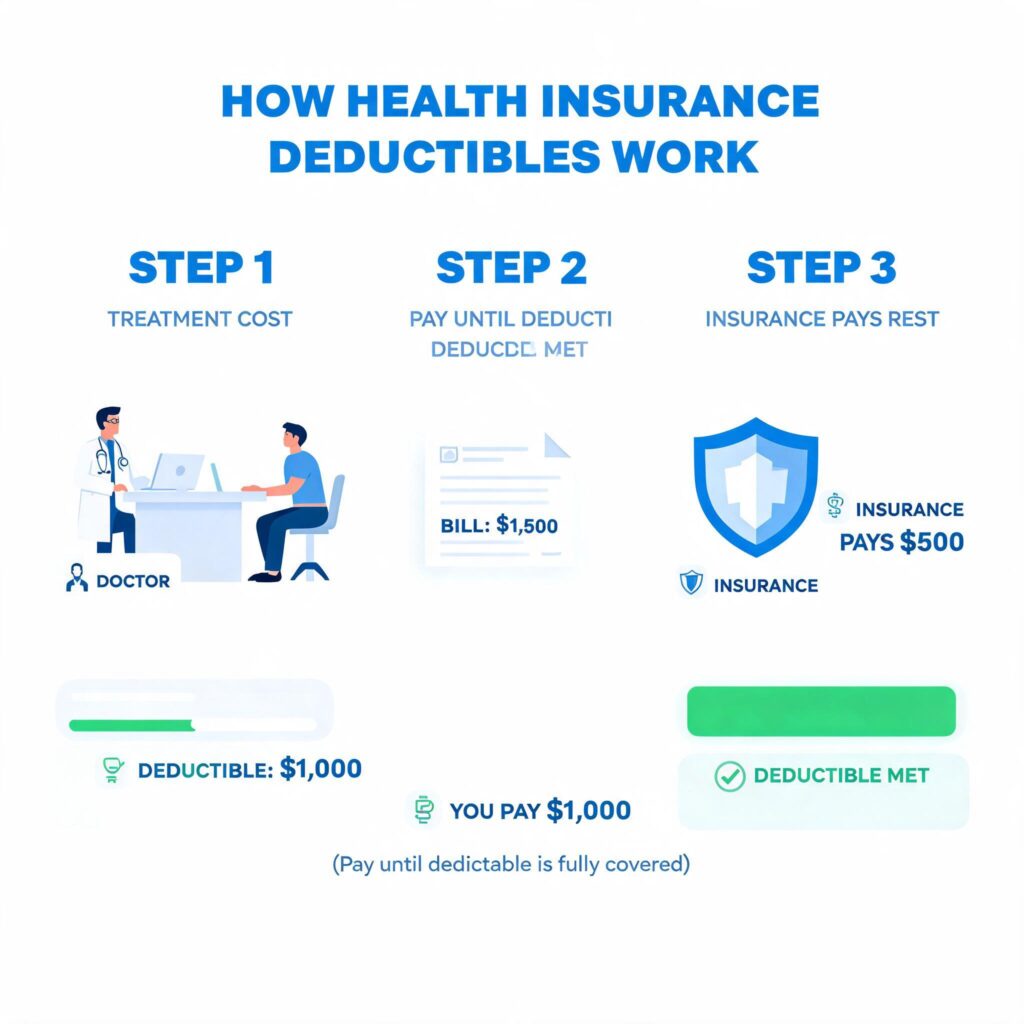
One of the most misunderstood aspects of paying for treatment is the deductible. A deductible is the amount a patient must pay before insurance begins sharing covered healthcare costs. For example, if your deductible is $2,000 and you have already incurred medical expenses earlier in the year, you may have already satisfied much or all of that amount.
Once the deductible has been met, insurance typically begins paying a substantial portion of covered treatment expenses, dramatically reducing the patient’s financial responsibility.
Coinsurance and Copayments
After the deductible has been satisfied, many insurance plans require coinsurance, meaning both the insurance company and the patient share the remaining costs. For example, an insurance company may pay 80 percent of covered expenses while the patient is responsible for the remaining 20 percent.
Some plans also require copayments for outpatient therapy, psychiatric appointments, medication management visits, or counseling sessions. Residential treatment programs often use different reimbursement structures than standard physician office visits, making insurance verification especially important when paying for treatment.
Annual Out-of-Pocket Maximums
Every insurance plan includes an annual out-of-pocket maximum that limits the total amount patients must personally spend on covered healthcare during a benefit year. Once this maximum has been reached, many insurance companies pay one hundred percent of eligible covered services for the remainder of the year.
Patients who have experienced surgeries, hospitalizations, or other medical expenses may already be close to reaching their annual maximum, substantially lowering the cost of paying for treatment.
In-Network and Out-of-Network Considerations
Insurance companies negotiate contracts with healthcare providers, creating in-network and out-of-network relationships. Choosing an in-network provider often reduces deductibles, coinsurance, and overall patient responsibility. However, many insurance plans also provide benefits for out-of-network treatment providers, although patient costs may be somewhat higher.
Understanding these distinctions is an important part of paying for treatment, and admissions specialists can explain exactly how your individual plan applies.
Employer Health Insurance and Paying for Treatment
Employer-sponsored insurance plans frequently include comprehensive behavioral health benefits. One common concern among employees is whether using these benefits will notify their employer about treatment. Fortunately, healthcare privacy laws generally protect confidential medical information. Employers do not receive detailed information about an employee’s diagnosis or treatment simply because insurance benefits are used.
This privacy protection allows individuals to pursue recovery without unnecessary concerns about workplace confidentiality.
Marketplace Insurance Plans
Individuals who purchase health insurance through the Health Insurance Marketplace often have behavioral healthcare benefits as well. Although coverage varies according to plan type, insurance carrier, deductibles, and provider networks, many marketplace plans help significantly reduce the overall cost of paying for treatment.
Verification remains the best way to determine exactly what services are covered.
Paying for Treatment Without Insurance
Not everyone has health insurance, but that does not mean treatment is impossible. Many behavioral health providers accept self-pay patients who choose to pay directly for services. Self-pay arrangements sometimes simplify the admissions process and provide additional flexibility when developing individualized treatment plans.
Individuals without insurance should never assume they cannot afford care without first discussing available payment options with an admissions coordinator.
Financing Options for Paying for Treatment
Medical financing has become an increasingly popular solution for patients seeking behavioral healthcare. Many treatment providers work with healthcare financing companies that allow qualified individuals to spread treatment costs over manageable monthly payments.
Rather than delaying care because of immediate financial concerns, financing allows many patients to begin treatment while paying over time. Approval depends upon individual financial qualifications and lender requirements, but financing has made paying for treatment far more accessible for many families.
Personal Loans
Banks and credit unions also offer personal loans that may be used for addiction and mental health treatment. Depending on credit history and financial qualifications, these loans may provide competitive interest rates and predictable monthly payments that help make paying for treatment more manageable.
Comparing several lenders often helps patients identify the most favorable financing terms.
Healthcare Credit Programs
Some financial institutions offer specialized healthcare credit programs designed specifically for medical expenses. These programs may include promotional financing periods, extended repayment terms, or deferred interest offers. Before accepting any financing agreement, patients should carefully review repayment terms, interest rates, and other conditions.
Family Support Can Help with Paying for Treatment
Many families recognize that professional treatment represents an investment in their loved one’s future. Parents, spouses, siblings, grandparents, and close friends often contribute financially when they understand the seriousness of addiction or mental illness.
Family assistance has enabled countless individuals to enter treatment sooner, often preventing much greater emotional and financial consequences later.
Health Savings Accounts and Flexible Spending Accounts
Health Savings Accounts (HSAs) and Flexible Spending Accounts (FSAs) can frequently be used to pay for eligible addiction and mental health services. These tax-advantaged accounts help offset healthcare expenses while reducing the overall financial burden of paying for treatment.
Patients should consult their plan administrator to determine which behavioral healthcare services qualify under their specific account.
Employee Assistance Programs
Many employers provide Employee Assistance Programs (EAPs) that offer confidential counseling, referrals, crisis intervention, and treatment coordination. While these programs may not pay for every aspect of treatment, they often serve as an excellent starting point for accessing professional care and understanding available financial resources.
Veterans Benefits

Eligible veterans may have access to addiction and mental health services through the U.S. Department of Veterans Affairs. Depending on eligibility and available programs, VA benefits can substantially reduce or even eliminate the cost of paying for treatment for qualifying veterans.
Financial Assistance Programs
Some treatment organizations maintain scholarship funds or financial assistance programs for individuals demonstrating financial need. Availability varies according to funding, clinical eligibility, and organizational resources, but it is always worthwhile to ask whether assistance programs exist.
Paying for Treatment Is Often Less Expensive Than Untreated Addiction
Many people focus solely on the immediate expense of treatment while overlooking the enormous financial consequences of untreated addiction or mental illness. Continued substance use or unmanaged psychiatric conditions frequently result in lost wages, unemployment, legal fees, accidents, damaged credit, family disruption, repeated hospitalizations, and significant healthcare costs.
Viewed over the course of a lifetime, paying for treatment is often one of the most financially responsible decisions a person can make. Recovery restores health, improves productivity, strengthens relationships, and creates opportunities that addiction and mental illness often take away.
The Admissions Process and Paying for Treatment
At TRUE Addiction and Behavioral Health, conversations about paying for treatment are designed to reduce stress, not create it. Our admissions specialists verify insurance benefits, explain financial responsibilities, review financing opportunities, discuss payment arrangements when appropriate, and answer billing questions with transparency and compassion.
Every family deserves a clear understanding of treatment costs before making important healthcare decisions. We believe honest communication helps patients begin treatment with confidence rather than uncertainty.
Recovery Is an Investment in Your Future
Choosing recovery is about far more than overcoming addiction or managing mental illness. Treatment restores physical health, emotional well-being, family relationships, career opportunities, financial stability, confidence, and hope for the future. While many people initially worry about paying for treatment, they frequently discover that the true cost lies in delaying care.
The sooner treatment begins, the sooner healing can start.
At TRUE Addiction and Behavioral Health, we are committed to helping every patient explore the most affordable path toward recovery. If you or someone you love is struggling with addiction, depression, anxiety, trauma, or another mental health condition, our admissions team is ready to help you understand your insurance benefits, explain your financial options, and guide you through every step of the admissions process. One confidential phone call could reveal that paying for treatment is much more attainable than you ever imagined—and it could be the first step toward a healthier, brighter future.
Frequently Asked Questions About Paying for Treatment

Does insurance cover addiction and mental health treatment?
Many commercial health insurance plans provide coverage for addiction treatment and mental health services, including detoxification, residential treatment, Partial Hospitalization Programs (PHP), Intensive Outpatient Programs (IOP), outpatient therapy, psychiatric care, and medication management. Coverage varies based on your individual policy, so verifying your benefits is the best way to understand your options for paying for treatment.
How can I find out what my insurance will pay?
The easiest way is to complete a confidential insurance verification with the treatment provider. During this process, an admissions specialist contacts your insurance company to determine your eligibility, covered services, deductibles, copays, coinsurance, and estimated out-of-pocket costs. This service is typically free and carries no obligation.
Can I receive treatment if I don’t have health insurance?
Yes. Many treatment centers accept self-pay patients and offer alternative options for paying for treatment, including financing, payment arrangements, or financial assistance programs when available. Not having insurance should never prevent you from exploring your options.
What is an insurance deductible?
A deductible is the amount you must pay toward covered healthcare expenses before your insurance begins sharing the cost. If you have already incurred medical expenses during the year, you may have already met part or all of your deductible, reducing the amount you owe for treatment.
What is coinsurance?
Coinsurance is the percentage of treatment costs you share with your insurance company after your deductible has been met. For example, if your insurance covers 80% of eligible services, you may be responsible for the remaining 20%.
What is an out-of-pocket maximum?
An out-of-pocket maximum is the highest amount you are required to pay for covered healthcare services during your insurance plan year. Once you reach that limit, many insurance plans pay 100% of eligible covered services for the remainder of the year.
Can I use my employer’s health insurance without my employer knowing why?
In most cases, yes. Federal and state privacy laws protect your medical information. Your employer does not receive details about your diagnosis or treatment simply because you use your health insurance benefits.
What if my treatment provider is out of network?
Many insurance plans still offer out-of-network benefits, although your financial responsibility may be higher than if you use an in-network provider. An admissions coordinator can explain how your specific plan applies before treatment begins.
Can I finance the cost of treatment?
Many behavioral health providers work with healthcare financing companies that allow qualified patients to spread the cost of treatment over monthly payments. Financing options vary depending on individual qualifications and lender requirements.
Can I use a Health Savings Account (HSA) or Flexible Spending Account (FSA) to pay for treatment?
In many cases, yes. HSAs and FSAs can often be used to pay for qualified addiction and mental health treatment expenses. Check with your account administrator to determine which services are eligible under your plan.
Can family members help pay for treatment?
Absolutely. Many patients receive financial assistance from spouses, parents, siblings, grandparents, or close friends who want to support their recovery. Families often view treatment as an investment in their loved one’s future.
Are payment plans available?
Payment options vary by provider. Some treatment centers offer payment arrangements or partner with third-party financing companies to make paying for treatment more manageable. It’s always worth asking about available options.
How much does addiction or mental health treatment cost?
The cost depends on several factors, including the level of care needed, the length of treatment, insurance coverage, and your individual treatment plan. Because every patient is different, the best way to receive an accurate estimate is through a confidential admissions assessment and insurance verification.
Is paying for treatment worth the investment?
For many individuals and families, the answer is yes. Untreated addiction and mental health conditions can lead to job loss, medical complications, legal issues, damaged relationships, and reduced quality of life. Professional treatment can help restore health, improve stability, rebuild relationships, and create long-term financial and personal benefits that far outweigh the initial investment.
How do I get started?
The first step is contacting TRUE Addiction and Behavioral Health for a confidential conversation. Our admissions team can verify your insurance, explain your benefits, discuss options for paying for treatment, answer your financial questions, and help you determine the best path toward recovery. One phone call can provide the clarity and confidence you need to begin healing.
Sources
- Substance Abuse and Mental Health Services Administration (SAMHSA). FindTreatment.gov
https://findtreatment.gov/ - Substance Abuse and Mental Health Services Administration (SAMHSA). Behavioral Health Treatment Services Locator
https://www.samhsa.gov/ - Centers for Medicare & Medicaid Services (CMS). Mental Health & Substance Use Disorder Benefits
https://www.cms.gov/ - U.S. Department of Health & Human Services. Mental Health and Addiction Insurance Help (Mental Health Parity)
https://www.hhs.gov/ - Centers for Medicare & Medicaid Services. Health Insurance Marketplace
https://www.healthcare.gov/ - National Institute of Mental Health (NIMH). Mental Health Information
https://www.nimh.nih.gov/ - National Institute on Drug Abuse (NIDA). Treatment and Recovery
https://nida.nih.gov/ - National Institute on Alcohol Abuse and Alcoholism (NIAAA). Alcohol Treatment Navigator
https://alcoholtreatment.niaaa.nih.gov/ - American Society of Addiction Medicine (ASAM). The ASAM Criteria and Addiction Treatment Resources
https://www.asam.org/ - Mental Health Parity and Addiction Equity Act (MHPAEA) Information
https://www.dol.gov/agencies/ebsa/laws-and-regulations/laws/mental-health-parity - Employee Benefits Security Administration (EBSA), U.S. Department of Labor. Your Mental Health and Substance Use Disorder Benefits
https://www.dol.gov/agencies/ebsa - Internal Revenue Service (IRS). Health Savings Accounts (HSAs)
https://www.irs.gov/ - Internal Revenue Service (IRS). Flexible Spending Arrangements (FSAs)
https://www.irs.gov/ - U.S. Department of Veterans Affairs. Mental Health Services
https://www.mentalhealth.va.gov/ - National Alliance on Mental Illness (NAMI). Navigating a Mental Health Crisis and Accessing Care
https://www.nami.org/
Additional Resources
TRUE Addiction and Behavioral Health
For confidential admissions, insurance verification, and information about treatment options:
Website: https://trueaddictionbh.org
SAMHSA National Helpline
SAMHSA offers a free, confidential, 24/7 treatment referral and information service for individuals and families facing mental health or substance use disorders.
Website: https://www.samhsa.gov/find-help/national-helpline
FindTreatment.gov
Search for licensed addiction and mental health treatment providers across the United States.
NIAAA Alcohol Treatment Navigator
A resource designed to help individuals find evidence-based alcohol treatment providers.
https://alcoholtreatment.niaaa.nih.gov
National Institute on Drug Abuse (NIDA)
Research-based information on addiction, treatment options, medications, and recovery.
National Institute of Mental Health (NIMH)
Educational resources covering depression, anxiety, bipolar disorder, PTSD, schizophrenia, and many other mental health conditions.
U.S. Department of Veterans Affairs
Mental health and substance use treatment resources for eligible veterans.
https://www.mentalhealth.va.gov
HealthCare.gov
Information about health insurance plans, Marketplace coverage, and behavioral health benefits.
U.S. Department of Labor
Learn about your rights under the Mental Health Parity and Addiction Equity Act (MHPAEA).
https://www.dol.gov/agencies/ebsa
Centers for Medicare & Medicaid Services (CMS)
Learn more about behavioral health coverage, insurance requirements, and healthcare benefits.
Contact Us
Verify Your Insurance Online
We are here to help. Contact us today and get the answers you need to start your journey to recovery!