
Drug Addiction

Drug Addiction Disclaimer
The information provided on this page is for educational and informational purposes only and is not intended as medical, legal, or professional advice. Content related to drug use, drug testing, side effects, and physiological processes is based on general knowledge and may not reflect individual circumstances. Drug metabolism, detection times, and physical effects can vary widely depending on factors such as dosage, frequency of use, body composition, and overall health.
This content does not guarantee outcomes related to drug testing or substance elimination. References to substances, behaviors, or scenarios are not intended to encourage or promote drug use. Any discussion of risks, including overdose or complications such as infections, is provided strictly for awareness. Readers should not rely on this information as a substitute for professional evaluation or intervention. Always verify critical information with qualified professionals when making decisions that may impact health, safety, or legal standing.
Drug Addiction: What It Does, How It Works, and What Actually Happens to Your Body

Does…Get You High?
The “high” from drugs is the result of chemical interactions in the brain, primarily involving neurotransmitters like dopamine, serotonin, GABA, glutamate, and endorphins. Each class of drug targets different receptors and pathways, but the end result is the same: altered perception, mood, and bodily function.
Opioids such as heroin, fentanyl, oxycodone, and morphine bind to mu-opioid receptors. This suppresses pain signals and produces euphoria, sedation, and a slowing of bodily functions. Breathing slows because the brainstem’s respiratory centers are directly affected. As doses increase, breathing can become shallow, irregular, or stop entirely. Fentanyl is especially potent, measured in micrograms, and can overwhelm receptors rapidly.
Stimulants like cocaine and methamphetamine increase dopamine and norepinephrine levels. Cocaine blocks reuptake, while methamphetamine forces release and prevents breakdown. This leads to elevated heart rate, constricted blood vessels, increased blood pressure, and heightened alertness. The “rush” is often followed by depletion, where neurotransmitter levels drop and fatigue, irritability, or depression set in.
Benzodiazepines such as alprazolam (Xanax) and diazepam (Valium) enhance GABA activity, which slows neural firing. This results in sedation, muscle relaxation, and reduced anxiety. When combined with opioids or alcohol, the combined depressant effects can suppress breathing more than either substance alone.
Alcohol acts on multiple systems, enhancing GABA and inhibiting glutamate. This leads to slowed reaction time, impaired coordination, and reduced inhibition. At higher levels, it can cause blackouts, respiratory depression, and loss of consciousness.
Cannabis interacts with CB1 receptors, affecting memory, coordination, and perception. THC is fat-soluble and accumulates in adipose tissue, contributing to longer detection times.
Hallucinogens such as LSD and psilocybin alter serotonin signaling, affecting perception, time sense, and cognition. Synthetic drugs, including various analogs, may act unpredictably depending on their composition.
Repeated exposure leads to tolerance. Receptors become less responsive, and baseline neurotransmitter production decreases. This is why the same dose produces less effect over time and why increasing amounts are often used.
How to Get…Out of Your System
Tips for eliminating drug metabolites from your sytem. Nothing here is scientifically proven. Abstinence is always best.
Drug elimination is governed by pharmacokinetics: absorption, distribution, metabolism, and excretion. The liver plays a central role, using enzymes such as cytochrome P450 to break down substances into metabolites.
Half-life determines how long a substance remains active. For example, cocaine has a short half-life of about one hour, but its metabolite benzoylecgonine can be detected in urine for two to four days, longer with heavy use. THC can be detectable for weeks because it is stored in fat and released slowly.
Opioids vary widely. Heroin is metabolized quickly into morphine, while methadone and buprenorphine have longer half-lives, remaining in the body for extended periods. Fentanyl, due to its lipid solubility, can accumulate in fatty tissues and persist beyond initial use.
Benzodiazepines range from short-acting to long-acting. Diazepam and its metabolites can remain detectable for days or longer. Alprazolam clears faster but still leaves detectable traces depending on usage patterns.
Hydration affects urine concentration but does not significantly alter metabolic rate. Dilution may lower concentration temporarily, but labs often measure creatinine and specific gravity to detect this. Exercise may mobilize stored substances like THC, but it does not meaningfully accelerate elimination.
Detoxification products often claim to “flush” substances, but metabolism occurs at a rate determined by liver function and enzyme activity. There is no reliable method to force rapid elimination beyond the body’s natural processes.
How to Pass a Drug Test…Maybe
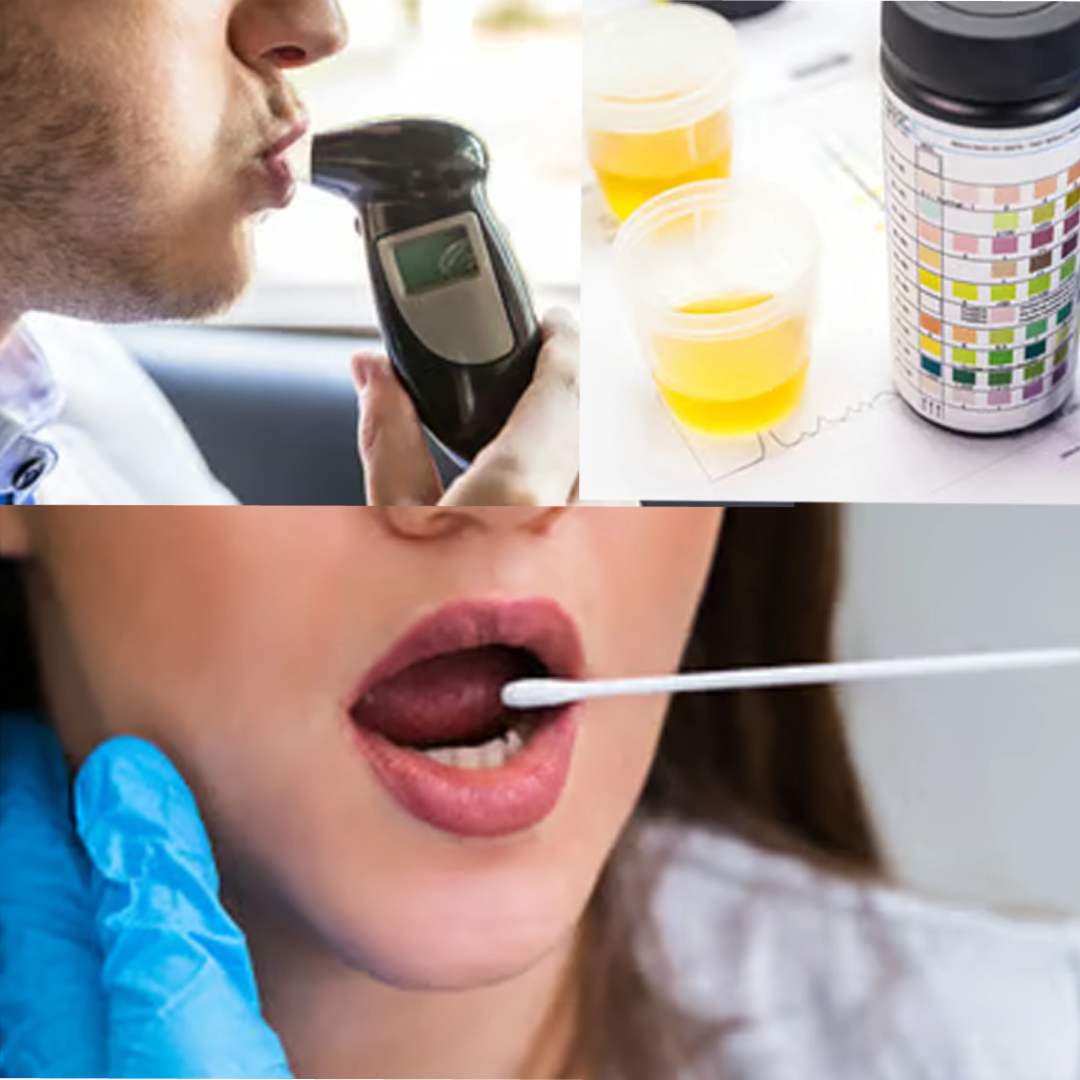
Drug testing relies on detecting either the parent compound or its metabolites. Urine testing is most common due to cost and detection range. Saliva tests detect recent use, typically within hours to a few days. Blood tests measure current levels and are used in clinical or legal settings. Hair testing provides a long-term record by capturing substances incorporated into hair shafts.
Urine tests often use immunoassay screening followed by confirmatory testing such as gas chromatography-mass spectrometry (GC-MS). This confirmatory step is highly specific and reduces false positives.
Detection windows vary. THC can remain detectable for over 30 days in chronic users. Cocaine metabolites are typically detectable for several days. Amphetamines may be detected for one to three days. Benzodiazepines and opioids vary depending on the specific compound.
Tampering methods are widely discussed, including dilution, synthetic urine, and chemical adulterants. Laboratories counter these with checks for temperature, pH, creatinine levels, and oxidizing agents. Advanced testing can identify inconsistencies that suggest tampering.
Hair testing is difficult to evade because substances are incorporated into the hair as it grows. External contamination is usually removed during laboratory washing procedures. Shaving hair may raise suspicion and lead to alternative testing methods.
Frequency of use is a key factor. Occasional use may fall below detection thresholds more quickly, while chronic use leads to accumulation and extended detection periods.
Side Effects of Various Street Drugs
Each class of drug produces specific physiological effects, but many share overlapping risks involving the cardiovascular, respiratory, and nervous systems.
Opioids suppress respiration and reduce oxygen intake. Chronic use can lead to hypoxia, which affects brain function. Injection use introduces risks of infections such as cellulitis, endocarditis, and bloodborne pathogens. Repeated use can also alter pain perception and hormonal balance.
Stimulants increase cardiovascular load. Elevated heart rate and blood pressure can lead to arrhythmias, heart attack, or stroke. Methamphetamine is associated with structural brain changes affecting memory and emotional regulation. Cocaine can cause vasoconstriction, reducing blood flow and increasing the risk of tissue damage.
Benzodiazepines impair memory and coordination. Long-term use can lead to cognitive slowing. Abrupt cessation after dependence can produce severe withdrawal symptoms due to rebound neural activity.
Alcohol affects multiple organ systems. Chronic use can damage the liver, leading to conditions such as fatty liver, hepatitis, and cirrhosis. It also impacts the pancreas, cardiovascular system, and brain.
Synthetic and counterfeit substances present additional risks. Pills sold as one substance may contain another, such as fentanyl in counterfeit oxycodone tablets. Variability in composition increases unpredictability in effects and potency.
Remedies for Things from Abscesses to Overdoses
An abscess is a localized infection, often resulting from bacteria entering through injection sites. It appears as a swollen, painful area filled with pus. Warm compresses can increase blood flow and may help bring the infection closer to the surface, but they do not eliminate bacteria. Without drainage, pressure can build, and the infection can spread into surrounding tissue or bloodstream.
Basic wound care, such as cleaning the area and avoiding further irritation, may reduce progression, but once an abscess forms, it indicates an established infection. Reuse of needles or injection into the same site increases risk.
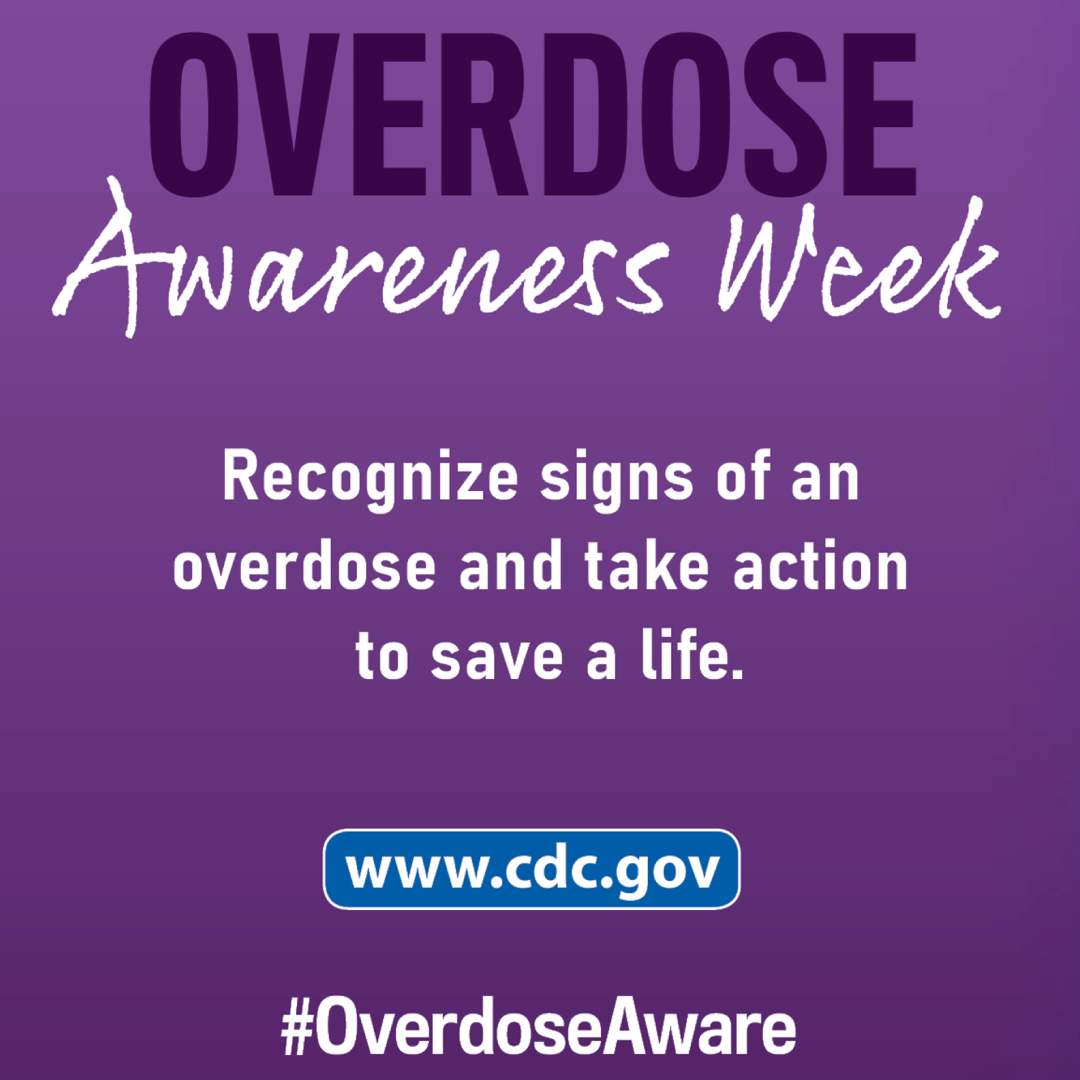
Overdose occurs when a substance overwhelms the body’s ability to maintain vital functions. In opioid overdose, breathing slows or stops, oxygen levels drop, and unconsciousness occurs. Signs include shallow breathing, blue or gray lips, and unresponsiveness.
Naloxone binds to opioid receptors and can displace opioids, reversing respiratory depression. It acts within minutes but may require repeated dosing depending on the substance involved. Its effects are temporary, and opioids can outlast it in the body.
Stimulant overdose presents differently, often involving extreme agitation, elevated body temperature, and cardiovascular strain. Cooling measures and hydration may address symptoms but do not reverse underlying toxicity.
There are no reliable home-based methods to counteract overdose from most substances. Hydration, rest, or common remedies do not neutralize drugs already in circulation. Mixing substances increases risk due to additive or opposing effects that strain multiple systems simultaneously.
What Drug Addiction Actually Does Over Time
Repeated substance use alters neural pathways. Dopamine signaling becomes dysregulated, reducing the brain’s ability to experience reward from normal activities. This contributes to continued use as the brain seeks to restore balance.
Tolerance develops as receptors become less responsive. Dependence follows when the body adapts to the presence of the substance and produces withdrawal symptoms in its absence.
The prefrontal cortex, responsible for decision-making and impulse control, becomes less effective. At the same time, conditioned responses to drug-related cues strengthen. Environmental triggers can activate craving pathways even after periods of non-use.
Physical systems are also affected. Liver enzymes may become overworked, cardiovascular strain increases, and immune function can decline. Sleep cycles are disrupted, and nutritional deficiencies may develop.
Detection, Risk, and Reality
Drug use involves measurable biological processes. Detection methods are designed to identify these processes through chemical analysis. Substances differ in how they are metabolized and how long they remain detectable.
Variables such as dose, frequency, body composition, and metabolic rate influence outcomes, but underlying mechanisms remain consistent. Information about drugs is widely available, but accuracy varies. Understanding the biological basis provides a clearer picture than relying on isolated claims.
Drug addiction is a pattern of repeated exposure leading to predictable changes in brain and body function. The details vary by substance, but the mechanisms follow known pathways.
What Addiction Really Feels Like
One of the most difficult parts of addiction is that it often feels impossible to explain to someone who has never experienced it. Friends, family members, coworkers, and even healthcare providers may struggle to understand why someone continues using substances despite the devastating consequences.
The truth is that addiction is not simply a matter of willpower. Addiction changes the way the brain processes reward, motivation, stress, and decision-making. Over time, substances begin to feel less like a choice and more like a necessity. Research has shown that addiction affects brain circuits involved in reward, impulse control, and judgment, making it increasingly difficult to stop using without treatment and support.
Many people living with addiction describe feeling trapped between two realities. They desperately want their lives back, but they also fear what life will look like without the substance they have come to depend on. This internal battle often creates feelings of shame, hopelessness, isolation, and self-doubt.
At TRUE Addiction & Behavioral Health, we understand that struggle because many people involved in recovery communities have lived it themselves. Recovery is not about judging where someone has been. It is about helping them move toward where they want to go.
Addiction Does Not Discriminate
One of the biggest misconceptions about addiction is that it only affects certain types of people. In reality, addiction impacts individuals from every background, profession, age group, and socioeconomic status.
Addiction affects:
Business owners
Healthcare professionals
College students
Parents
Veterans
Athletes
Teenagers
Retirees
No one plans to become addicted. For some people, addiction develops after experimenting with substances. For others, it begins with a legitimate prescription medication. Many individuals turn to substances while attempting to cope with trauma, anxiety, depression, grief, stress, or chronic pain. Genetics, environment, mental health conditions, and life experiences can all contribute to the development of substance use disorders.
Addiction is not a character flaw. It is a complex medical and behavioral health condition that requires compassionate, evidence-based treatment.
The Lies Addiction Tells
Addiction has a way of convincing people to stay sick. Over time, many individuals begin to believe thoughts that keep them trapped in the cycle of substance use.
Common beliefs include:
“I can stop whenever I want.”
“I’m not as bad as other people.”
“I’ve already ruined my life.”
“Nobody would understand.”
“I don’t deserve help.”
“It’s too late for me.”
These thoughts can feel incredibly convincing, but they are often symptoms of addiction itself. Recovery begins when individuals start challenging these beliefs and recognize that change is possible.
The reality is that countless people have recovered after years—even decades—of addiction. People rebuild relationships, repair careers, regain custody of children, restore their physical health, and rediscover purpose.
No matter how far addiction has progressed, recovery remains possible.
The Relationship Between Trauma and Addiction
For many people, addiction is not the primary problem. It is often an attempt to cope with something deeper.
Unresolved trauma frequently plays a significant role in substance use disorders. Trauma can include:
Childhood abuse or neglect
Domestic violence
Sexual assault
Military combat exposure
Loss of a loved one
Serious accidents
Chronic stress
Emotional abandonment
Substances may temporarily numb painful emotions, memories, or symptoms. Unfortunately, the relief is short-lived. Over time, addiction often creates additional emotional pain, worsening the very issues individuals were trying to escape.
Healing requires more than simply stopping substance use. It requires addressing the underlying emotional wounds that contribute to addictive behaviors.
This is why trauma-informed care is such an important component of modern addiction treatment.
Why So Many People Relapse
One of the most damaging myths about addiction is that relapse means failure.
The truth is that addiction is a chronic condition, and relapse can be part of the recovery process for some individuals. Similar to other chronic health conditions, setbacks do not mean treatment has failed. Instead, they often indicate that additional support, new strategies, or a different level of care may be needed.
Relapse commonly occurs when individuals:
Stop participating in recovery activities
Become isolated
Experience major life stressors
Neglect their mental health
Encounter unaddressed triggers
Become overconfident in early recovery
Rather than viewing relapse as a reason to give up, it can become an opportunity to strengthen recovery and identify areas that need additional support.
Recovery Is More Than Sobriety
Many people enter treatment believing recovery simply means stopping drug or alcohol use.
While abstinence is an important part of recovery, true healing often involves much more.
Recovery may include:
Learning healthy coping skills
Improving emotional regulation
Rebuilding self-esteem
Restoring physical health
Repairing relationships
Addressing trauma
Managing mental health conditions
Finding purpose and meaning
Developing a supportive community
For many individuals, recovery becomes an opportunity to build a life that feels worth protecting.
Sobriety is not the finish line. It is often the beginning of a completely new chapter.
What Happens When You Ask for Help
Many people delay treatment because they are afraid of what will happen when they finally reach out.
Some worry they will be judged.
Others fear withdrawal symptoms.
Many feel embarrassed about discussing their struggles.
In reality, asking for help is one of the most courageous decisions a person can make.
The treatment process typically begins with a comprehensive assessment that examines substance use history, mental health concerns, physical health needs, family dynamics, and recovery goals.
From there, an individualized treatment plan is developed to help address the unique challenges each person faces.
Evidence-based addiction treatment often includes:
Individual therapy
Group counseling
Family therapy
Relapse prevention planning
Cognitive Behavioral Therapy (CBT)
Dialectical Behavior Therapy (DBT)
Trauma-informed treatment
Medication-Assisted Treatment when appropriate
Ongoing recovery support
Research consistently shows that addiction is treatable and that individuals can successfully recover with the right combination of treatment, support, and continued engagement in recovery activities.
Recovery Changes Families Too
Addiction rarely affects only one person.
Family members often experience fear, frustration, confusion, anger, guilt, and heartbreak while watching a loved one struggle.
Recovery can create healing opportunities for the entire family system.
Family involvement in treatment helps loved ones:
Understand addiction
Improve communication
Establish healthy boundaries
Rebuild trust
Learn effective support strategies
Address their own emotional needs
When families heal together, long-term recovery outcomes often improve.
Life After Addiction
One of the most common fears people have before entering treatment is wondering what life will look like afterward.
Many cannot imagine enjoying life without substances.
The reality is that recovery often provides opportunities that addiction gradually took away.
People in recovery frequently rediscover:
Genuine relationships
Career opportunities
Personal passions
Financial stability
Physical wellness
Emotional peace
Self-respect
Purpose
Recovery does not eliminate every challenge in life. However, it provides individuals with the tools, support, and resilience needed to face those challenges without returning to substance use.
You Are Not Alone
If you are struggling with addiction, it is important to remember that you are not alone.
Millions of people have faced addiction. Millions have found recovery. Many of the people who now help others achieve sobriety once believed recovery would never be possible for them.
No matter how hopeless things may feel today, change is possible.
At TRUE Addiction & Behavioral Health, we believe every person deserves the opportunity to heal, recover, and build a meaningful future. Whether you are seeking help for yourself or someone you love, our team is here to provide compassionate, evidence-based care every step of the way.
The journey may not be easy, but recovery is possible—and it can begin today.