
The 4th of July Can Be Both Beautiful and Difficult
The 4th of July is often described as a day of freedom, celebration, family, fireworks, cookouts, lake trips, beach weekends, backyard parties, and patriotic pride. Across the country, people gather to celebrate Independence Day with food, music, laughter, and tradition. For many people, the holiday represents joy, connection, and a break from the normal routine. But for someone in recovery, someone struggling with mental health, or someone trying to stay emotionally steady during a difficult season, the 4th of July can feel much more complicated.
Holidays have a way of magnifying whatever is already happening inside us. If life feels stable, a holiday may feel exciting. If life feels lonely, stressful, uncertain, or emotionally heavy, a holiday can make those feelings louder. The 4th of July can be especially challenging because it is often centered around alcohol, parties, late nights, social pressure, loud environments, disrupted routines, and memories from the past. For someone recovering from addiction or managing anxiety, depression, trauma, grief, or emotional instability, those factors can create real risk.
At TRUE Addiction and Behavioral Health, we understand that recovery does not pause for holidays. Mental health does not take the weekend off. Triggers do not check the calendar before they show up. A person can be grateful for freedom, proud of their progress, and still feel overwhelmed by the expectations surrounding the 4th of July. That does not mean they are failing. It means they are human.
The good news is that the 4th of July can also become a meaningful reminder of what recovery is really about. Independence Day can symbolize more than national freedom. It can represent personal freedom from addiction, freedom from destructive cycles, freedom from isolation, freedom from shame, freedom from untreated pain, and freedom from the belief that you have to keep struggling alone.
Why the 4th of July Can Be Triggering in Recovery
For people in recovery from substance use, the 4th of July can bring a unique set of challenges. Many celebrations involve alcohol as a central feature. Beer coolers, drinking games, cocktails, boating parties, barbecues, and late-night gatherings can make sobriety feel harder than usual. Even if someone is confident in their recovery, being surrounded by drinking or drug use can create emotional pressure.
Triggers are not always obvious. Sometimes the trigger is not the alcohol itself, but the feeling of being left out. Sometimes it is watching other people drink casually and wondering why your relationship with substances became so painful. Sometimes it is being around family members who do not understand your recovery. Sometimes it is hearing old stories about your past behavior. Sometimes it is simply being in an environment where your nervous system remembers who you used to be.
The 4th of July can also disrupt the structure that supports recovery. Routines matter. Sleep matters. Meetings matter. Therapy, medication schedules, exercise, meals, spiritual practices, and healthy connections matter. Holiday weekends often interrupt those routines. People travel, stay up late, skip meals, miss appointments, or put themselves in emotionally charged settings for longer than they planned. Those changes may seem small, but recovery is often protected by consistency.
There is also the emotional burden of expectation. People may assume everyone wants to celebrate. They may say, “Come on, it’s the 4th of July,” as if the holiday automatically makes risky situations safe. They may pressure someone to attend a party, stay longer, explain why they are not drinking, or act happier than they feel. For someone trying to protect their sobriety, that pressure can be exhausting.
Recovery requires honesty. If the 4th of July feels difficult, it is okay to admit that. You do not have to pretend that a holiday is easy just because other people are celebrating.
Mental Health and the Pressure to Celebrate
The 4th of July can also affect mental health in powerful ways. People struggling with anxiety may feel overwhelmed by crowds, noise, travel, social obligations, fireworks, or unpredictable plans. People dealing with depression may feel isolated when everyone else appears happy. People with trauma histories may be startled or distressed by fireworks, loud sounds, or chaotic environments. People grieving a loss may feel the absence of someone they love more sharply during family gatherings. People with social anxiety may feel pressure to perform, engage, smile, or explain themselves.
One of the hardest parts of holiday-related mental health struggles is comparison. Social media often shows the polished version of everyone else’s life. Smiling families. Perfect cookouts. Fireworks over the water. Friends laughing. Couples traveling. Children playing. From the outside, it can look like everyone else is living a joyful 4th of July while you are barely holding it together.
That comparison is rarely fair or accurate. Many people are quietly struggling behind the pictures. Many people feel lonely in crowded rooms. Many people smile while carrying anxiety, grief, relapse fears, relationship stress, financial pressure, or emotional exhaustion. A holiday can be beautiful and still be hard. Both can be true.
Mental health care means allowing yourself to be honest about your internal experience. You are not required to enjoy every holiday. You are not required to attend every event. You are not required to explain your pain to people who have not earned access to it. You are allowed to protect your peace, even on the 4th of July.
Recovery Is a Different Kind of Independence

Independence Day is about freedom, and recovery is one of the deepest forms of freedom a person can pursue. Addiction often takes away choice. It narrows life. It changes priorities. It damages relationships. It creates shame. It can make a person feel trapped in patterns they no longer want but cannot seem to escape alone.
Recovery opens the door to a different life. It does not happen instantly, and it is not always easy, but it restores possibility. It gives people a chance to rebuild trust, rediscover identity, heal the nervous system, repair relationships, improve mental health, and create a future that is not controlled by substances.
The 4th of July can be a moment to reflect on that kind of independence. Freedom in recovery may mean waking up without regret. It may mean remembering the night before. It may mean being present with your children. It may mean driving home safely. It may mean not needing a substance to feel confident, numb, relaxed, or accepted. It may mean leaving a party early because your peace matters more than someone else’s opinion. It may mean calling your sponsor, therapist, peer, or treatment team before things spiral. It may mean choosing a quiet night over a risky one.
Freedom does not always look dramatic. Sometimes freedom looks like saying no. Sometimes freedom looks like going to bed on time. Sometimes freedom looks like drinking water at the cookout and being okay with it. Sometimes freedom looks like asking for help before you relapse. Sometimes freedom looks like beginning treatment when everyone else thinks you are fine.
At TRUE Addiction and Behavioral Health, we believe real freedom includes the ability to live honestly, safely, and fully. Recovery is not about punishment. It is about reclaiming your life.
Planning Ahead for the 4th of July
One of the most important things you can do for your recovery and mental health around the 4th of July is plan ahead. Waiting until you are already overwhelmed makes it harder to make clear decisions. A simple plan can protect you from unnecessary risk.
Before the holiday, take time to think honestly about where you are emotionally. Are you feeling strong and connected, or are you feeling vulnerable and isolated? Are you confident being around alcohol, or would that be risky right now? Are there family dynamics that could trigger anger, shame, sadness, or old behaviors? Are there people you need to avoid? Are there places that feel unsafe for your recovery? Are there support systems you can keep close?
A healthy plan might include deciding which events you will attend and which ones you will skip. It might include driving yourself so you can leave whenever you need to. It might include bringing your own nonalcoholic drinks. It might include telling one trusted person that you may need support. It might include attending a recovery meeting before or after the event. It might include scheduling therapy around the holiday. It might include planning a calm morning on July 5th so you do not wake up emotionally depleted.
The goal is not to live in fear. The goal is to live with awareness. Recovery becomes stronger when you learn to anticipate challenges instead of pretending they do not exist.
You Are Allowed to Leave
One of the most powerful recovery tools during the 4th of July is permission to leave. You are allowed to leave the party. You are allowed to leave the family gathering. You are allowed to leave the fireworks show. You are allowed to leave the group chat, the bar, the lake house, the cookout, or any environment that puts your recovery or mental health at risk.
You do not need a dramatic explanation. You do not need to convince everyone. You do not need to wait until you are in crisis. Leaving early is not rude when staying could hurt you. Protecting your recovery is not selfish. Protecting your mental health is not weakness.
Many people relapse or emotionally spiral because they stay too long in places they knew were not good for them. They ignore the early warning signs. They tell themselves they should be able to handle it. They worry about disappointing others. They wait until cravings, panic, resentment, sadness, or exhaustion become too intense.
Recovery asks you to pay attention sooner. If your body is tense, your thoughts are racing, you are romanticizing old substance use, you feel trapped, you feel resentful, or you keep imagining escape through alcohol or drugs, those are signs to take action. Leaving may be the healthiest choice you make all day.
Family, Boundaries, and Old Patterns
The 4th of July often brings families together, and family gatherings can be emotionally complicated. Some families are supportive and healing. Others are stressful, critical, chaotic, or connected to painful memories. For people in recovery, family events can bring up old roles. You may feel treated like the person you used to be instead of the person you are becoming. You may feel judged, watched, doubted, or misunderstood.
Boundaries are essential. A boundary is not a punishment. It is a way of protecting your emotional safety. You can love your family and still limit your time with them. You can respect relatives and still refuse to discuss certain topics. You can care about people and still choose not to attend a gathering where alcohol, conflict, or emotional manipulation will be present.
Sometimes family members do not understand recovery. They may ask why you cannot “just have one.” They may minimize mental health symptoms. They may bring up the past at inappropriate times. They may expect you to act as if everything is fine because it is a holiday. Their lack of understanding does not make your needs less valid.
Healthy boundaries around the 4th of July might sound like choosing not to attend an event where heavy drinking is expected. It might mean staying for one hour instead of all day. It might mean not engaging in arguments. It might mean having a support call scheduled before and after the event. It might mean spending the holiday with sober friends instead of relatives who trigger old pain.
Recovery often requires building a life where your environment supports the person you are becoming, not the patterns you are leaving behind.
Fireworks, Trauma, and the Nervous System
For many people, fireworks are a joyful part of the 4th of July. For others, they can be distressing. Loud explosions, flashing lights, crowds, and unpredictability can activate the nervous system, especially for people with trauma histories, PTSD, anxiety disorders, sensory sensitivities, or past experiences involving violence, accidents, military service, or chaotic environments.
A trauma response is not an overreaction. It is the nervous system trying to protect you. The body may respond before the mind has time to explain what is happening. A person may feel panic, irritability, numbness, hypervigilance, anger, sadness, or the urge to escape. They may have trouble sleeping before or after the holiday. They may feel embarrassed because others seem to enjoy something that feels threatening to them.
Mental health care means respecting your nervous system. If fireworks are difficult for you, you are allowed to prepare. You may choose a quieter environment, use noise-reducing headphones, stay indoors, watch a movie, practice grounding techniques, keep a weighted blanket nearby, or spend time with someone safe. You may decide that fireworks are not part of your 4th of July this year.
There is no shame in adapting your holiday to your mental health needs. Healing often begins when you stop forcing yourself through experiences that overwhelm your system simply because other people consider them normal.
Loneliness During the 4th of July
Not everyone has a family gathering, party invitation, close friend group, or safe place to go on the 4th of July. For some people, the holiday highlights loneliness. They may feel forgotten, disconnected, or left behind. People in early recovery may have separated from old friends who still drink or use drugs, but they may not yet have built a new sober community. That in-between season can feel painful.
Loneliness is one of the most dangerous emotional states in recovery because it can make old behaviors seem comforting. A person may think about reaching out to unsafe people, returning to old environments, drinking just to feel included, or using substances to numb the ache of disconnection. Loneliness can also worsen depression, anxiety, and hopelessness.
The answer is not to shame yourself for feeling lonely. The answer is to create connection intentionally. That may mean attending a recovery meeting, calling someone from treatment, reaching out to a trusted friend, volunteering, going to a sober event, joining an online support group, or spending time in a peaceful public place where you are not isolated. Connection does not have to be perfect to be meaningful.
If you are alone this 4th of July, your life still matters. Your recovery still matters. Your mental health still deserves care. A quiet holiday can still be a successful holiday if you stay safe, sober, and supported.
The Myth That You Need Alcohol to Celebrate
One of the biggest cultural myths around the 4th of July is that alcohol is required for fun. Many people cannot imagine a cookout, lake day, concert, fireworks show, or holiday party without drinking. For someone in recovery, that message can feel isolating. It can create the false belief that sobriety means missing out.
Sobriety does not remove joy. It removes the illusion that substances are the only path to joy. In recovery, celebration may feel unfamiliar at first because the brain and body are learning how to experience pleasure, connection, and relaxation without chemical escape. That process takes time, but it is deeply worth it.
A sober 4th of July can include real laughter, real conversations, real presence, and real memories. It can include waking up clear-headed the next morning. It can include being emotionally available to the people you love. It can include realizing that you are stronger than a craving, more valuable than a party, and more alive than you were in active addiction.
The goal of recovery is not to make life smaller. The goal is to make life honest, sustainable, and free.
When a Loved One Is Struggling on the 4th of July
The 4th of July can also be difficult for families who are worried about someone they love. Maybe you see signs that a loved one is drinking too much, using drugs again, withdrawing emotionally, spiraling mentally, or putting themselves in risky situations. Maybe past holidays have ended in fights, arrests, hospital visits, broken promises, or frightening behavior. Maybe you are afraid this year will be the same.
It is painful to watch someone struggle. Families often feel torn between love, fear, anger, and exhaustion. They may try to control the person’s behavior, monitor them, rescue them, lecture them, or ignore the problem to preserve the holiday. None of those responses are easy, and most families are doing the best they can with the tools they have.
If someone you love is struggling with addiction or mental health symptoms, the 4th of July may be an opportunity to stop pretending the problem is manageable without help. A crisis does not have to become worse before treatment becomes valid. You do not need to wait for the next holiday disaster, the next relapse, the next hospitalization, or the next broken relationship.
TRUE Addiction and Behavioral Health helps individuals and families understand what care may be needed and how to take the next step. Addiction and mental health treatment can provide structure, clinical support, accountability, therapy, community, and a path forward when life feels unmanageable.
Protecting Your Progress After the Holiday
The days after the 4th of July matter too. Many people focus on getting through the holiday itself but forget about the emotional aftermath. After a high-stimulation weekend, people may feel drained, anxious, depressed, regretful, lonely, or physically exhausted. If routines were disrupted, it can take effort to reset.
For people in recovery, July 5th can be a vulnerable day. Maybe you made it through a difficult event and now feel emotionally depleted. Maybe you were around drinking and are still dealing with cravings. Maybe you skipped meetings or therapy. Maybe family conflict reopened old wounds. Maybe you stayed sober but feel sad that it was harder than expected.
Post-holiday care is part of recovery. Return to your routine as quickly as possible. Sleep, hydrate, eat well, attend support, talk honestly, move your body, and reconnect with people who understand your goals. Do not minimize the emotional impact of the holiday just because it is over. Recovery is strengthened by reflection.
Ask yourself what worked, what did not, and what you want to do differently next time. Every holiday can teach you something about your recovery. Every trigger can become information. Every successful boundary can become confidence. Every hard moment you survive without returning to old patterns becomes proof that healing is possible.
When Treatment May Be the Right Next Step
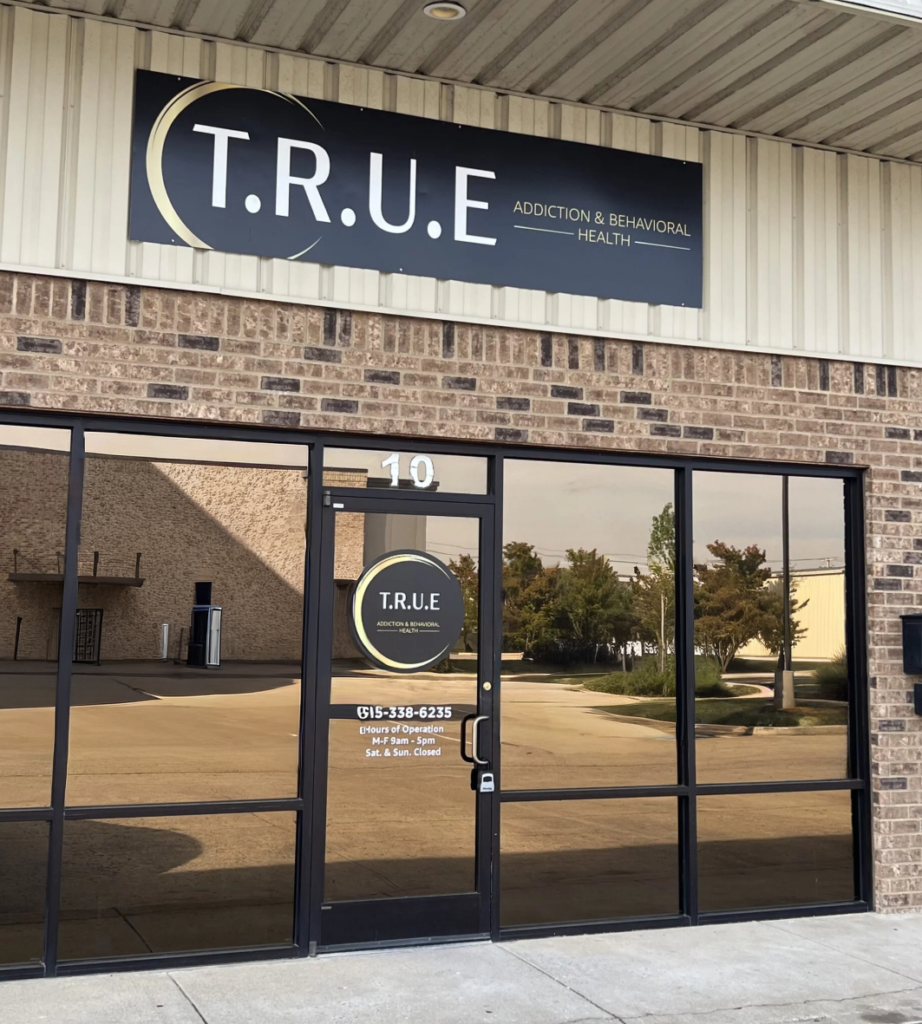
Sometimes the 4th of July reveals something important. Maybe you realize you cannot be around alcohol without wanting to drink. Maybe you promised yourself this holiday would be different, but it was not. Maybe your anxiety or depression feels too heavy to manage alone. Maybe your family is scared. Maybe you are tired of repeating the same cycle every holiday, every weekend, or every stressful moment.
Needing help does not mean you are weak. It means the problem deserves more support than willpower can provide. Addiction and mental health conditions are treatable, but they often require professional care, structure, and a team that understands the complexity of recovery.
TRUE Addiction and Behavioral Health provides addiction and mental health treatment designed to help people stabilize, heal, and rebuild. Whether someone needs support for substance use, co-occurring mental health challenges, emotional instability, trauma, depression, anxiety, or relapse risk, treatment can create a safer path forward.
The decision to seek care can feel intimidating, but staying stuck is often more painful. A holiday can become a turning point. The 4th of July can be more than another difficult day. It can be the moment you decide that freedom has to become personal.
Choosing Freedom This 4th of July
This 4th of July, freedom may look different for you than it does for someone else. For one person, freedom may look like staying sober at a family cookout. For another, it may look like not attending the cookout at all. For someone else, it may mean asking for help, calling a treatment center, going back to therapy, taking medication as prescribed, attending a meeting, setting a boundary, leaving early, or admitting that things have become unmanageable.
There is no single correct way to honor the holiday. What matters is whether your choices protect your life, your recovery, your mental health, and your future.
You do not have to prove your strength by placing yourself in unsafe situations. You do not have to celebrate in ways that threaten your sobriety. You do not have to explain every boundary. You do not have to carry addiction, depression, anxiety, trauma, or emotional pain alone.
The 4th of July is about independence, but recovery teaches us that real freedom often requires support. Healing does not happen in isolation. It happens through honesty, connection, clinical care, community, courage, and the willingness to choose a different way forward.
At TRUE Addiction and Behavioral Health, we believe freedom is possible. Recovery is possible. Mental health can improve. Families can heal. Lives can change. This 4th of July, let freedom mean more than fireworks. Let it mean choosing yourself, protecting your progress, and taking the next right step toward a healthier life.
TRUE Addiction and Behavioral Health Is Here to Help
If the 4th of July feels difficult because of addiction, relapse fears, anxiety, depression, trauma, family stress, or emotional overwhelm, you are not alone. TRUE Addiction and Behavioral Health provides compassionate, clinically focused care for people who need support with substance use and mental health challenges.
You do not have to wait until things fall apart. You do not have to wait for another holiday to become another painful memory. You do not have to keep trying to manage everything by yourself.
This 4th of July can be a turning point. It can be the day you stop surviving and start reaching for real freedom. TRUE is here to help you take that step with care, dignity, and support that meets you where you are.
Frequently Asked Questions About the 4th of July, Recovery, and Mental Health
Why can the 4th of July be difficult for people in recovery?
The 4th of July can be difficult for people in recovery because many celebrations involve alcohol, parties, late nights, social pressure, and disrupted routines. These situations can increase cravings, bring up old memories, or place someone around people and environments connected to past substance use. Planning ahead, setting boundaries, and staying connected to support can help protect recovery during the holiday.
How can I stay sober on the 4th of July?
Staying sober on the 4th of July starts with being honest about your triggers and creating a plan before the holiday begins. You may choose to attend sober events, bring your own nonalcoholic drinks, drive yourself so you can leave early, check in with a sponsor or trusted support person, or avoid gatherings where heavy drinking or drug use is expected. Protecting your recovery is more important than pleasing other people.
Is it okay to skip a 4th of July party if I am worried about relapse?
Yes. It is absolutely okay to skip a 4th of July party if you are worried about relapse. Avoiding a risky environment is not weakness; it is a healthy recovery decision. You do not owe anyone access to you at the expense of your sobriety or mental health. Sometimes the safest and strongest choice is to celebrate quietly, attend a recovery meeting, or spend time with people who support your goals.
Why does my mental health feel worse around holidays like the 4th of July?
Holidays like the 4th of July can make mental health symptoms feel worse because they often come with pressure, comparison, family stress, loneliness, disrupted sleep, travel, crowds, noise, and expectations to appear happy. If you are already struggling with anxiety, depression, trauma, grief, or emotional exhaustion, the holiday can intensify those feelings. Feeling this way does not mean something is wrong with you. It means your mental health deserves care and attention.
Can fireworks trigger anxiety or PTSD?
Yes. Fireworks can trigger anxiety, panic, PTSD symptoms, sensory overwhelm, or trauma responses in some people. Loud explosions, flashing lights, crowds, and unpredictability can activate the nervous system. If fireworks are difficult for you, it may help to stay indoors, use noise-reducing headphones, practice grounding techniques, watch a movie, spend time with a safe person, or choose a quieter way to spend the 4th of July.
What should I do if I feel lonely on the 4th of July?
If you feel lonely on the 4th of July, try to create connection in a safe and intentional way. You can call someone you trust, attend a recovery meeting, join an online support group, volunteer, go for a walk, or spend time in a calm public place. Loneliness can be a serious trigger for substance use and mental health symptoms, so it is important not to isolate completely if you are feeling vulnerable.
How can families support a loved one in recovery on the 4th of July?
Families can support a loved one in recovery on the 4th of July by respecting their boundaries, avoiding pressure to drink or attend risky events, offering sober activities, and not making jokes or comments about their past substance use. Support should feel safe, not controlling or judgmental. A simple message like, “We support your recovery and want you to do what is best for you,” can mean a lot.
What if I relapse during the 4th of July holiday?
If you relapse during the 4th of July holiday, it is important to seek help as soon as possible. A relapse does not mean recovery is impossible, but it is a sign that more support may be needed. Reach out to a sponsor, therapist, trusted loved one, or treatment provider. The sooner you are honest about what happened, the sooner you can return to safety, stability, and recovery.
When should I consider addiction or mental health treatment after the 4th of July?
You should consider addiction or mental health treatment after the 4th of July if you struggled to stay sober, experienced intense cravings, relapsed, felt emotionally out of control, had panic or depressive symptoms, or realized that your current support system is not enough. Treatment can provide structure, clinical support, therapy, accountability, and a safer path forward.
How can TRUE Addiction and Behavioral Health help during or after the 4th of July?
TRUE Addiction and Behavioral Health can help individuals and families who are struggling with addiction, relapse risk, mental health symptoms, trauma, anxiety, depression, or emotional instability. The 4th of July can reveal how difficult things have become, but it can also become a turning point. TRUE provides compassionate support for people who are ready to take the next step toward recovery, healing, and real freedom.
Sources and Resources
If you or someone you love is struggling with addiction, relapse risk, anxiety, depression, trauma, or another mental health concern around the 4th of July, professional support can make a major difference. The following resources offer education, crisis support, treatment information, and guidance for people navigating recovery and mental health challenges.
The Substance Abuse and Mental Health Services Administration offers national information on substance use treatment, mental health support, prevention, and recovery services. SAMHSA also provides a confidential National Helpline for individuals and families seeking help with mental health or substance use concerns.
SAMHSA National Helpline
https://www.samhsa.gov/find-help/national-helpline
The National Institute on Alcohol Abuse and Alcoholism provides research-based information on alcohol use, alcohol misuse, alcohol use disorder, and the impact alcohol can have on health, relationships, decision-making, and recovery.
The National Institute on Drug Abuse provides science-based information on substance use, addiction, treatment, relapse, recovery, and the brain science behind addiction.
The U.S. Department of Veterans Affairs provides information and support for PTSD, trauma, mental health treatment, and crisis resources, including support for veterans who may be affected by fireworks, loud noises, or trauma reminders around the 4th of July.
The Centers for Disease Control and Prevention provides mental health education, overdose prevention information, alcohol-related health guidance, and public health resources that can help individuals and families understand risk factors and prevention.
https://www.cdc.gov/mental-health
Alcoholics Anonymous offers peer support for people who want to stop drinking. Many communities offer in-person and online meetings, including meetings around major holidays such as the 4th of July.
Narcotics Anonymous provides peer-based recovery support for people seeking freedom from drug addiction. NA meetings are available in many areas and online.
SMART Recovery offers science-informed mutual support meetings and tools for people seeking recovery from addictive behaviors, including alcohol and drug use.
TRUE Addiction and Behavioral Health provides addiction and mental health treatment support for individuals and families who need help taking the next step toward recovery. If the 4th of July brings up relapse fears, emotional instability, anxiety, depression, trauma symptoms, or concerns about substance use, TRUE can help you understand your options and begin moving toward healing.