
Introduction
Mental health and addiction challenges affect hundreds of thousands of individuals and families throughout Tennessee every year. From major metropolitan areas like Nashville, Memphis, Knoxville, and Chattanooga to rural communities across the state, substance use disorders and mental health conditions continue to impact individuals regardless of age, background, income, or profession.
Fortunately, Tennessee has made significant progress in expanding access to evidence-based addiction and mental health treatment. Modern behavioral healthcare recognizes that addiction and mental health disorders are complex medical conditions that require professional treatment, compassionate support, and individualized care. Recovery is not only possible—it is achievable for people who receive the appropriate level of treatment and ongoing support.
As awareness of behavioral health continues to grow, more Tennesseans are seeking help for conditions such as alcohol addiction, opioid use disorder, depression, anxiety, trauma, bipolar disorder, and co-occurring disorders. Treatment providers throughout the state are responding with innovative programs designed to address both substance use and mental health concerns while helping individuals rebuild healthy, productive lives.
This guide explores addiction and mental health treatment in Tennessee, including common conditions, levels of care, evidence-based therapies, co-occurring disorder treatment, and the path toward lasting recovery.
The State of Addiction and Mental Health in Tennessee
Behavioral health challenges remain a major public health concern throughout Tennessee. Like many states, Tennessee has experienced the effects of the nationwide opioid epidemic while also facing increasing rates of depression, anxiety, trauma-related disorders, and other mental health conditions.
Substance use disorders affect individuals from every demographic group. While opioids have received significant attention due to overdose concerns, alcohol remains one of the most commonly misused substances. Methamphetamine use has also increased in many regions of the state, particularly in rural communities.
At the same time, mental health conditions have become increasingly prevalent. Stress, economic pressures, social isolation, trauma exposure, and other life challenges can contribute to mental health struggles that interfere with daily functioning and overall well-being.
Many individuals experience both addiction and mental health disorders simultaneously. This combination, known as a co-occurring disorder or dual diagnosis, often requires specialized treatment that addresses both conditions together rather than treating each separately.
The growing demand for behavioral healthcare has encouraged Tennessee providers to expand services, increase accessibility, and develop more integrated treatment models that support long-term recovery and mental wellness.
Understanding Substance Use Disorders
Substance use disorder is a chronic medical condition characterized by the inability to control substance use despite negative consequences. Addiction affects brain function, behavior, motivation, and decision-making, making it difficult for individuals to stop using substances without professional help.
Common substance use disorders treated in Tennessee include:
Alcohol Use Disorder
Alcohol remains one of the most frequently abused substances in the United States. Because alcohol is legal and socially accepted, many individuals do not recognize problematic drinking patterns until significant consequences emerge.
Signs of alcohol addiction may include:
- Drinking more than intended
- Difficulty controlling alcohol consumption
- Increased tolerance
- Withdrawal symptoms when not drinking
- Relationship problems caused by alcohol use
- Work or school difficulties
- Continued drinking despite negative consequences
Professional treatment can help individuals safely stop drinking while addressing the underlying causes of alcohol dependence.
Opioid Use Disorder
Opioid addiction continues to be a serious concern throughout Tennessee. Opioids may include:
- Prescription pain medications
- Oxycodone
- Hydrocodone
- Morphine
- Fentanyl
- Heroin
Because opioid withdrawal can be extremely uncomfortable, many individuals continue using simply to avoid withdrawal symptoms. Comprehensive treatment often includes medication-assisted treatment (MAT), counseling, behavioral therapies, and long-term recovery support.
Methamphetamine Addiction
Methamphetamine use has increased across many Tennessee communities. The drug’s powerful stimulant effects can lead to rapid dependence and severe physical and psychological consequences.
Long-term methamphetamine use may contribute to:
- Anxiety
- Paranoia
- Sleep disturbances
- Cognitive impairment
- Depression
- Relationship difficulties
Treatment often involves intensive behavioral therapies, counseling, and structured support systems.
Prescription Drug Misuse
Prescription medications such as stimulants, benzodiazepines, and pain medications can become addictive when misused. Many individuals initially receive these medications for legitimate medical reasons before developing dependence.
Treatment focuses on safely managing withdrawal while addressing the underlying factors contributing to misuse.
Understanding Mental Health Disorders
Mental health conditions affect emotional, psychological, and social functioning. They influence how individuals think, feel, interact with others, and cope with life’s challenges.
Depression
Major depressive disorder is among the most common mental health conditions treated in Tennessee. Depression is more than temporary sadness; it is a serious condition that can significantly impact daily life.
Symptoms may include:
- Persistent sadness
- Loss of interest in activities
- Fatigue
- Sleep disturbances
- Feelings of hopelessness
- Difficulty concentrating
- Changes in appetite
- Thoughts of self-harm
Evidence-based treatment often includes therapy, psychiatric care, medication management, and lifestyle interventions.
Anxiety Disorders
Anxiety disorders involve excessive fear, worry, or nervousness that interferes with daily functioning.
Common anxiety disorders include:
- Generalized anxiety disorder
- Panic disorder
- Social anxiety disorder
- Specific phobias
Treatment typically incorporates cognitive behavioral therapy, stress management techniques, mindfulness practices, and medication when appropriate.
Bipolar Disorder
Bipolar disorder is characterized by significant mood fluctuations that include periods of depression and episodes of elevated mood or mania.
Without treatment, bipolar disorder can disrupt relationships, employment, education, and overall quality of life. Comprehensive psychiatric care and medication management are essential components of treatment.
Post-Traumatic Stress Disorder (PTSD)
PTSD may develop following exposure to traumatic events such as abuse, violence, accidents, military combat, or natural disasters.
Symptoms may include:
- Flashbacks
- Nightmares
- Hypervigilance
- Emotional numbness
- Avoidance behaviors
- Difficulty trusting others
Trauma-informed treatment approaches help individuals process traumatic experiences while developing healthy coping skills.
The Connection Between Addiction and Mental Health
Mental health disorders and addiction frequently occur together. Research consistently shows that individuals struggling with one condition are at increased risk for developing the other.
For example:
- Someone experiencing anxiety may use alcohol to self-medicate symptoms.
- An individual with depression may misuse substances to escape emotional pain.
- Chronic substance use may contribute to the development or worsening of mental health symptoms.
When both conditions exist simultaneously, treatment must address both disorders together. Treating only addiction or only mental health symptoms often leads to poorer outcomes and increased risk of relapse.
Integrated dual-diagnosis treatment has become the gold standard for individuals experiencing co-occurring disorders.
Levels of Care in Tennessee Behavioral Health Treatment
Recovery is not a one-size-fits-all process. Different individuals require different levels of support based on their needs, symptoms, and recovery goals.
Medical Detoxification
Detoxification is often the first step in addiction treatment.
Medical detox helps individuals safely withdraw from substances while receiving professional monitoring and support. Withdrawal symptoms can range from uncomfortable to life-threatening depending on the substance involved.
Medical detox may be recommended for:
- Alcohol dependence
- Opioid addiction
- Benzodiazepine dependence
- Severe substance use disorders
Detox alone is not treatment. It serves as a foundation for ongoing recovery work.
Residential Treatment
Residential treatment provides 24-hour structured care in a supportive environment.
Benefits include:
- Continuous clinical support
- Removal from triggering environments
- Individual therapy
- Group counseling
- Psychiatric services
- Recovery education
- Life skills development
Residential treatment can be particularly beneficial for individuals with severe addiction, co-occurring disorders, or repeated relapse histories.
Partial Hospitalization Programs (PHP)
PHP offers intensive treatment during the day while allowing individuals to return home or to supportive housing in the evening.
Services often include:
- Individual therapy
- Group therapy
- Psychiatric care
- Medication management
- Family counseling
- Recovery planning
PHP provides a high level of support while allowing greater independence than residential treatment.
Intensive Outpatient Programs (IOP)
Intensive outpatient treatment offers structured care several days per week while allowing participants to maintain work, school, or family responsibilities.
IOP may include:
- Therapy sessions
- Relapse prevention education
- Peer support
- Family involvement
- Recovery skill development
Many individuals transition from higher levels of care into IOP as they continue their recovery journey.
Outpatient Treatment
Traditional outpatient treatment provides ongoing support while individuals live independently and continue their daily activities.
Services may include:
- Individual counseling
- Medication management
- Family therapy
- Support groups
- Psychiatric care
Outpatient treatment can serve as a primary treatment option or as continuing care following more intensive services.
Evidence-Based Therapies Used in Tennessee
Modern behavioral healthcare relies on evidence-based therapies supported by scientific research.
Cognitive Behavioral Therapy (CBT)
CBT helps individuals identify and change unhealthy thought patterns and behaviors.
Benefits include:
- Improved coping skills
- Better emotional regulation
- Reduced anxiety and depression symptoms
- Enhanced relapse prevention
CBT is widely used in both addiction and mental health treatment settings.
Dialectical Behavior Therapy (DBT)
DBT focuses on emotional regulation, distress tolerance, interpersonal effectiveness, and mindfulness.
It is particularly helpful for individuals experiencing:
- Emotional instability
- Self-destructive behaviors
- Trauma-related symptoms
- Co-occurring disorders
Motivational Interviewing
Motivational interviewing helps individuals explore ambivalence about change while strengthening motivation for recovery.
The approach emphasizes collaboration, respect, and personal empowerment.
Trauma-Informed Care
Many individuals entering treatment have experienced trauma. Trauma-informed care recognizes the impact of trauma and creates safe, supportive treatment environments.
This approach helps reduce re-traumatization while promoting healing and resilience.
Medication-Assisted Treatment (MAT)
Medication-assisted treatment combines FDA-approved medications with counseling and behavioral therapies.
MAT is particularly effective for opioid and alcohol use disorders.
Common medications include:
- Buprenorphine
- Methadone
- Naltrexone
Research consistently demonstrates that MAT can:
- Reduce cravings
- Lower overdose risk
- Improve treatment retention
- Support long-term recovery
When integrated into a comprehensive treatment plan, MAT can be a valuable tool for recovery.
Family Involvement in Recovery
Addiction and mental health disorders affect entire families, not just individuals.
Family members often experience:
- Emotional stress
- Financial strain
- Relationship challenges
- Communication difficulties
- Caregiver fatigue
Family-focused services may include:
- Family therapy
- Education programs
- Support groups
- Communication training
- Boundary-setting strategies
Healthy family involvement can improve treatment outcomes and strengthen recovery support systems.
The Importance of Aftercare
Recovery does not end when formal treatment concludes.
Long-term recovery requires ongoing support, accountability, and continued personal growth.
Aftercare services may include:
- Continuing therapy
- Alumni programs
- Recovery coaching
- Peer support groups
- Medication management
- Sober living environments
Individuals who remain actively engaged in recovery support services often experience stronger long-term outcomes.
Barriers to Treatment in Tennessee
Despite significant progress, some barriers continue to affect access to care.
Common challenges include:
Geographic Limitations
Rural communities may have fewer behavioral healthcare providers and treatment facilities.
Transportation Challenges
Limited transportation can make attending appointments difficult, particularly in rural areas.
Financial Concerns
Although insurance coverage has improved, treatment costs may still present challenges for some individuals.
Stigma
Stigma remains one of the largest obstacles to seeking help. Fear of judgment may prevent individuals from accessing needed services.
Continued education and awareness efforts are helping reduce stigma while encouraging more people to seek treatment.
Building a Strong Foundation for Recovery
Successful recovery involves more than simply stopping substance use or reducing symptoms. It requires building a healthy, meaningful life that supports long-term wellness.
Important recovery components include:
- Physical health
- Mental wellness
- Healthy relationships
- Employment or education
- Stable housing
- Community involvement
- Purpose and fulfillment
Treatment programs increasingly focus on whole-person care that addresses every aspect of an individual’s well-being.
Hope, Healing, and Recovery in Tennessee
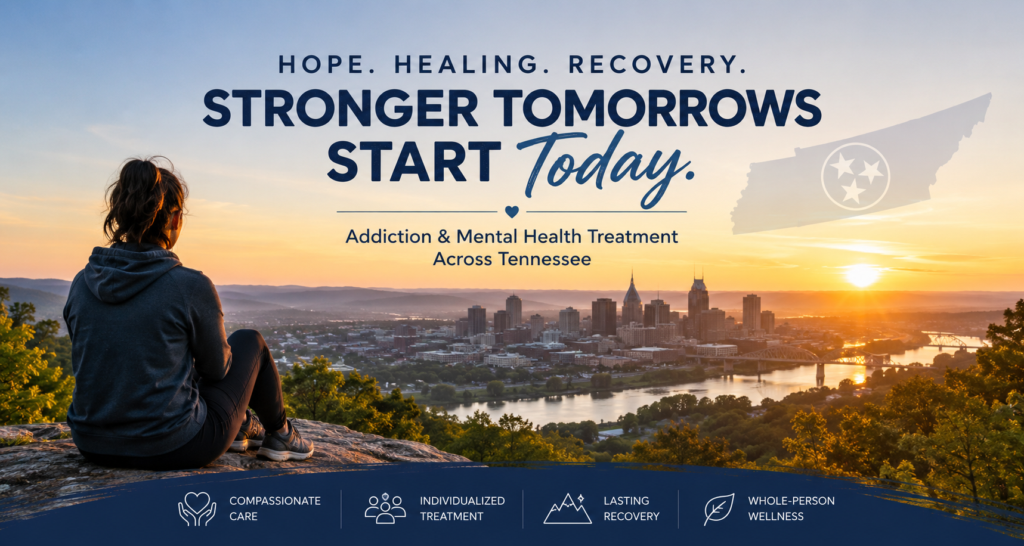
Recovery from addiction and mental health disorders is possible. Every day, individuals throughout Tennessee successfully overcome substance use challenges, manage mental health conditions, rebuild relationships, and create fulfilling lives in recovery.
Effective treatment combines evidence-based therapies, individualized care, family support, psychiatric services, recovery resources, and long-term engagement. Whether someone is struggling with alcohol addiction, opioid dependence, anxiety, depression, trauma, or a co-occurring disorder, professional help can provide the guidance and support needed to begin the healing process.
Tennessee’s behavioral healthcare system continues to evolve, expanding access to comprehensive services that meet the diverse needs of individuals and families across the state. Through early intervention, compassionate care, and continued recovery support, countless Tennesseans are finding hope and achieving lasting wellness.
The journey to recovery may not always be easy, but with the right treatment, support network, and commitment to healing, long-term recovery and improved mental health are within reach. For individuals and families seeking help, taking the first step toward treatment can be the beginning of a healthier, brighter future.
Frequently Asked Questions About Addiction and Mental Health Treatment in Tennessee
What is the difference between addiction treatment and mental health treatment?
Addiction treatment focuses on helping individuals overcome substance use disorders involving alcohol, opioids, prescription medications, methamphetamine, and other substances. Mental health treatment addresses conditions such as depression, anxiety, bipolar disorder, PTSD, and other psychiatric disorders. Because these conditions often occur together, many Tennessee treatment programs provide integrated care that treats both simultaneously.
What are co-occurring disorders?
Co-occurring disorders, also known as dual diagnosis conditions, occur when an individual experiences both a substance use disorder and a mental health disorder at the same time. Examples include alcohol addiction and depression or opioid addiction and anxiety. Integrated treatment is considered the most effective approach because both conditions can influence one another.
How do I know if I need professional treatment?
Professional treatment may be beneficial if substance use or mental health symptoms are affecting your relationships, work performance, physical health, finances, or daily functioning. Warning signs can include increased substance use, persistent sadness, anxiety, mood swings, isolation, loss of interest in activities, or difficulty managing responsibilities.
What levels of addiction treatment are available in Tennessee?
Tennessee offers a full continuum of care, including medical detoxification, residential treatment, partial hospitalization programs (PHP), intensive outpatient programs (IOP), outpatient counseling, and long-term aftercare services. The appropriate level of care depends on the severity of symptoms, medical needs, and individual recovery goals.
Is medical detox necessary before addiction treatment?
Medical detox may be recommended for individuals who are physically dependent on substances such as alcohol, opioids, or benzodiazepines. Detox helps manage withdrawal symptoms safely under medical supervision. However, detox alone is not treatment and should typically be followed by ongoing therapeutic care.
What therapies are commonly used in addiction and mental health treatment?
Many Tennessee treatment centers use evidence-based therapies such as Cognitive Behavioral Therapy (CBT), Dialectical Behavior Therapy (DBT), Motivational Interviewing (MI), trauma-focused therapies, family therapy, and group counseling. Treatment plans are often customized to address each individual’s specific needs.
What is Medication-Assisted Treatment (MAT)?
Medication-Assisted Treatment combines FDA-approved medications with counseling and behavioral therapies to treat substance use disorders. MAT is commonly used for opioid and alcohol addiction and may help reduce cravings, decrease relapse risk, and support long-term recovery.
Can mental health conditions contribute to addiction?
Yes. Many people use alcohol or drugs to cope with symptoms of anxiety, depression, trauma, stress, or other mental health concerns. This is often referred to as self-medication. Without addressing the underlying mental health condition, substance use problems may continue or worsen over time.
Does insurance cover addiction and mental health treatment in Tennessee?
Many health insurance plans provide coverage for behavioral health services, including addiction treatment, therapy, psychiatric care, and medication management. Coverage levels vary by provider, policy, and treatment program. Verifying benefits before admission can help clarify available coverage and potential out-of-pocket costs.
How long does addiction treatment last?
The length of treatment varies depending on the individual’s needs, progress, and level of care. Some people may participate in treatment for several weeks, while others benefit from ongoing support for several months or longer. Recovery is a long-term process, and continued engagement often leads to better outcomes.
Can family members participate in treatment?
Many treatment programs encourage family involvement through family therapy sessions, educational workshops, support groups, and counseling. Family participation can improve communication, strengthen support systems, and contribute to long-term recovery success.
What should I expect during an initial assessment?
An initial assessment typically includes a review of medical history, mental health symptoms, substance use patterns, treatment history, family background, and recovery goals. This information helps clinicians develop a personalized treatment plan that addresses the individual’s unique needs.
Are virtual therapy and telehealth services available in Tennessee?
Yes. Many providers offer telehealth services, including therapy, psychiatric evaluations, medication management, and recovery support. Virtual care can improve access to treatment for individuals who face transportation challenges, scheduling conflicts, or geographic barriers.
What happens after treatment ends?
Most treatment providers recommend an aftercare plan that may include ongoing therapy, support groups, recovery coaching, alumni programs, medication management, sober living arrangements, or community-based recovery resources. Continuing support is an important component of long-term success.
Is recovery from addiction and mental health disorders possible?
Absolutely. With evidence-based treatment, professional support, healthy coping skills, and a strong recovery network, individuals can successfully manage mental health conditions, overcome addiction, and build fulfilling lives in recovery. Seeking help is often the first and most important step toward lasting wellness.
Government & Public Health Sources
Tennessee Department of Mental Health and Substance Abuse Services (TDMHSAS)
Website: https://www.tn.gov/behavioral-health
Provides statewide information on:
- Mental health services
- Substance use treatment programs
- Recovery resources
- Prevention initiatives
- Crisis services
Tennessee REDLINE
Website: https://www.tnredline.com
A statewide referral and information service connecting individuals with:
- Addiction treatment programs
- Mental health providers
- Recovery resources
- Support services
Tennessee Department of Health
Website: https://www.tn.gov/health
Offers data and reports related to:
- Behavioral health trends
- Overdose statistics
- Public health initiatives
- Substance use prevention
SAMHSA (Substance Abuse and Mental Health Services Administration)
Website: https://www.samhsa.gov
National authority on:
- Evidence-based addiction treatment
- Mental health treatment guidelines
- Medication-Assisted Treatment (MAT)
- Recovery support services
SAMHSA National Treatment Locator
Website: https://findtreatment.gov
Helps individuals locate:
- Addiction treatment centers
- Mental health providers
- MAT programs
- Outpatient and residential services
Clinical & Research Sources
National Institute on Drug Abuse (NIDA)
Website: https://nida.nih.gov
Research and statistics on:
- Substance use disorders
- Addiction neuroscience
- Treatment effectiveness
- Opioid addiction
National Institute of Mental Health (NIMH)
Website: https://www.nimh.nih.gov
Evidence-based information regarding:
- Depression
- Anxiety disorders
- PTSD
- Bipolar disorder
- Mental health treatment
Centers for Disease Control and Prevention (CDC)
Website: https://www.cdc.gov
Provides:
- Mental health data
- Drug overdose statistics
- Prevention resources
- Public health recommendations
American Society of Addiction Medicine (ASAM)
Website: https://www.asam.org
Professional guidelines for:
- Addiction treatment
- Levels of care
- MAT best practices
- Recovery management
Recovery & Support Organizations
National Alliance on Mental Illness (NAMI)
Website: https://www.nami.org
Resources include:
- Mental health education
- Family support programs
- Advocacy resources
- Peer support
Mental Health America
Website: https://www.mhanational.org
Provides:
- Mental health screening tools
- Educational materials
- Wellness resources
Alcoholics Anonymous (AA)
Website: https://www.aa.org
Peer recovery support for individuals recovering from alcohol addiction.
Narcotics Anonymous (NA)
Website: https://www.na.org
Peer support for individuals recovering from substance use disorders.
Contact Us
Verify Your Insurance Online
We are here to help. Contact us today and get the answers you need to start your journey to recovery!