

The world of addiction treatment is evolving faster than ever before. In 2026, addiction treatment news is dominated by breakthroughs in telehealth, artificial intelligence, medication-assisted treatment (MAT), contingency management, integrated behavioral healthcare, and the growing response to fentanyl and polysubstance addiction. At the same time, providers across the country are adapting to shifting policies, rising overdose risks, and a stronger demand for evidence-based care.
For individuals and families affected by substance use disorder (SUD), these developments represent something important: hope. Modern addiction treatment is becoming more personalized, more accessible, and more effective than at any point in history.
Today, addiction is no longer viewed as a moral failing. Medical experts increasingly recognize substance use disorder as a chronic brain disease requiring ongoing support, behavioral healthcare, and long-term recovery planning. This shift is reshaping how treatment centers, behavioral health organizations, policymakers, and insurance providers approach care.
The Rise of Evidence-Based Addiction Treatment
One of the biggest trends in addiction treatment news is the nationwide movement toward evidence-based recovery programs. Treatment providers are under growing pressure to prove that their programs produce measurable results rather than relying on outdated approaches or generic recovery models.
Evidence-based addiction treatment typically includes:
- Medication-assisted treatment (MAT)
- Cognitive behavioral therapy (CBT)
- Dialectical behavior therapy (DBT)
- Trauma-informed care
- Dual diagnosis treatment
- Relapse prevention planning
- Long-term aftercare support
Behavioral health providers are increasingly tracking patient outcomes such as sobriety duration, relapse rates, mental health stabilization, employment recovery, and reduced emergency room visits. The industry is entering what many experts call the “year of proof,” where treatment centers must demonstrate clinical success with real-world data.
This trend benefits patients because it pushes addiction treatment organizations to prioritize quality care, individualized treatment plans, and long-term recovery outcomes.

Telehealth Addiction Treatment Continues to Expand
Telehealth remains one of the most important developments in modern addiction recovery. Federal policymakers recently made pandemic-era telehealth flexibilities for opioid treatment permanent, allowing patients to access buprenorphine prescriptions through audio or video appointments without first attending in-person visits.
This is especially important for:
- Rural communities
- Veterans
- Individuals without transportation
- Patients with mobility challenges
- Individuals in underserved behavioral health regions
Millions of Americans still struggle to access addiction treatment services due to provider shortages and geographic barriers. Telehealth helps close that gap by making medication-assisted treatment and counseling available from home.
Virtual intensive outpatient programs (IOPs), online therapy sessions, digital recovery coaching, and mobile relapse prevention apps are also becoming increasingly common. These services provide ongoing support between appointments and help individuals stay connected to recovery communities.
Research shows telehealth may improve treatment retention and reduce the likelihood that patients discontinue medication-assisted recovery programs.
Artificial Intelligence Is Reshaping Behavioral Healthcare

Artificial intelligence (AI) is becoming one of the most talked-about topics in addiction treatment news. AI-powered systems are now helping providers personalize treatment plans, predict relapse risks, and improve clinical decision-making.
Some behavioral health organizations are using AI to:
- Analyze patient risk factors
- Identify early relapse warning signs
- Improve care coordination
- Monitor treatment engagement
- Customize recovery pathways
- Streamline administrative processes
AI is not replacing therapists or addiction counselors. Instead, it is being used to support clinicians and improve patient outcomes through data-driven insights.
For example, predictive analytics tools can identify patterns associated with relapse, allowing providers to intervene earlier with additional support services or therapy adjustments. This proactive approach may significantly improve long-term recovery success rates.
However, concerns remain regarding privacy, ethics, and insurance companies using automated systems for claims denials. Experts continue to debate how AI should be regulated within behavioral healthcare settings.
Addiction Treatment News Reports: The Growing Importance of Dual Diagnosis Treatment
Another major trend in addiction treatment news is the expansion of dual diagnosis care. Many individuals struggling with addiction also experience co-occurring mental health conditions such as:
- Depression
- Anxiety disorders
- PTSD
- Bipolar disorder
- Personality disorders
- Trauma-related conditions
Historically, addiction and mental health were often treated separately. Today, integrated behavioral healthcare is becoming the standard of care.
Integrated treatment programs address both mental health and substance use simultaneously. This approach improves recovery outcomes because untreated mental illness frequently contributes to relapse.
Trauma-informed care has become especially important. Providers increasingly recognize that unresolved trauma often plays a major role in addiction development. Instead of asking, “What’s wrong with you?” clinicians are asking, “What happened to you?”
This compassionate, patient-centered model is helping reduce stigma while improving treatment engagement and emotional healing.
Medication-Assisted Treatment (MAT) Continues to Save Lives
Medication-assisted treatment remains one of the most effective interventions for opioid and alcohol addiction. MAT combines FDA-approved medications with counseling and behavioral therapy to reduce cravings, stabilize brain chemistry, and support recovery.
Common MAT medications include:
- Buprenorphine
- Methadone
- Naltrexone
Studies consistently show that MAT significantly reduces overdose death risk and improves long-term treatment retention.
Despite overwhelming evidence supporting MAT, stigma still exists in some recovery communities. However, attitudes are gradually changing as more healthcare professionals recognize addiction as a chronic medical condition rather than a personal weakness.
Primary care physicians are also becoming more involved in MAT delivery. This integration into mainstream healthcare helps normalize addiction treatment while expanding access to lifesaving medications.
Fentanyl and Polysubstance Addiction Are Changing Treatment Needs
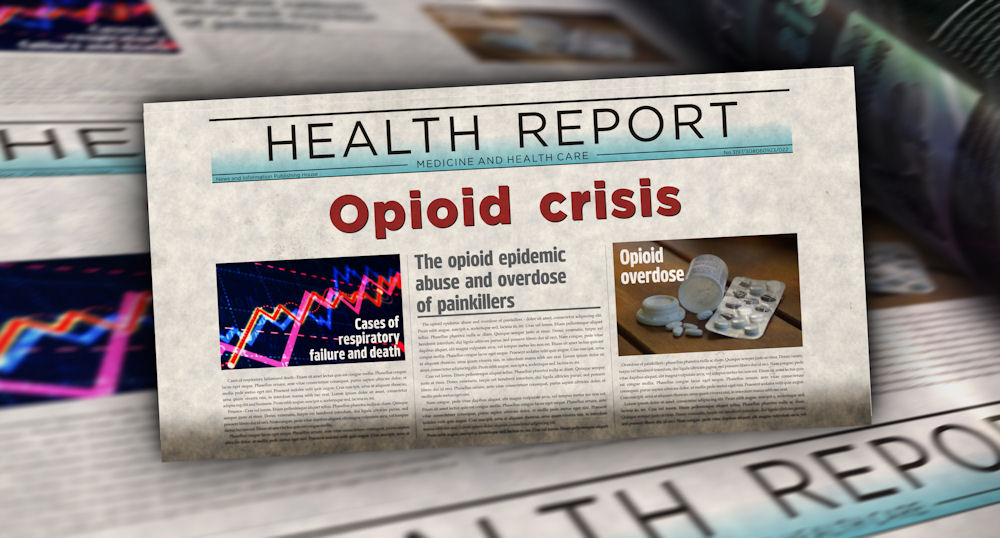
The fentanyl crisis continues to dominate addiction treatment news in 2026. Illicit fentanyl remains involved in the majority of overdose deaths across the United States, but the crisis has become increasingly complicated due to polysubstance use.
Today’s drug supply often contains dangerous combinations of:
- Fentanyl
- Methamphetamine
- Cocaine
- Xylazine
- Medetomidine
- Novel synthetic substances
Many people unknowingly consume fentanyl because it is mixed into stimulants or counterfeit pills. This dramatically increases overdose risk for individuals who may not even realize they are taking opioids.
Xylazine, sometimes called “tranq,” presents additional challenges because it does not respond to naloxone the same way opioids do. Emerging adulterants like medetomidine and BTMPS are also creating new complications for overdose response teams and treatment providers.
As a result, addiction treatment centers are adapting their detox protocols, overdose prevention education, and behavioral health services to address increasingly complex substance use patterns.
Contingency Management Gains National Momentum
One of the fastest-growing evidence-based approaches in addiction treatment is contingency management (CM). This behavioral therapy model rewards patients for achieving recovery milestones such as negative drug tests or treatment participation.
Rewards may include:
- Gift cards
- Recovery incentives
- Voucher programs
- Financial rewards for sobriety milestones
Contingency management has proven especially effective for stimulant addiction, including methamphetamine and cocaine use disorders. Since there are currently no FDA-approved medications for stimulant addiction, CM has become a valuable clinical tool.
Federal agencies and state programs are now expanding support for contingency management initiatives. SAMHSA recently increased the cap on incentive funding, making it easier for treatment providers to implement these programs.
Experts believe contingency management could become a standard component of addiction recovery programs nationwide.
Recovery Support Is Becoming Long-Term and Continuous
Modern addiction treatment increasingly recognizes that recovery is not a one-time event. Instead, addiction is viewed as a chronic condition requiring ongoing management and support.
This has led to increased focus on:
- Alumni programs
- Sober living
- Peer recovery coaching
- Ongoing therapy
- Community-based support
- Digital recovery monitoring
- Long-term aftercare planning
Behavioral health providers now understand that sustainable recovery depends heavily on continuity of care. Patients who receive long-term support tend to experience lower relapse rates and better overall quality of life.
Recovery communities are also becoming more inclusive and individualized. Programs increasingly recognize that there is no single path to recovery. Some individuals thrive in 12-step programs, while others benefit from SMART Recovery, medication-assisted treatment, faith-based support, or holistic wellness approaches.
Harm Reduction Remains a Major National Debate
Harm reduction continues to generate significant discussion in addiction treatment news. Many healthcare experts support strategies such as:
- Naloxone distribution
- Syringe service programs
- Fentanyl test strips
- Supervised consumption sites
Research suggests harm reduction strategies can reduce overdose deaths and increase the likelihood that individuals eventually seek treatment.
However, political disagreements remain intense. Recent federal policy shifts have reduced some harm reduction funding while emphasizing counseling, behavioral therapy, and abstinence-focused approaches.
The future of harm reduction policy may significantly shape overdose trends and treatment accessibility over the coming years.
Addiction Treatment News Reports: Treatment Deserts and Healthcare Inequality
Access to addiction treatment remains uneven across the country. Many rural counties and underserved communities still lack sufficient behavioral health infrastructure.
Recent research highlights the connection between overdose deaths and “treatment deserts,” where individuals have limited access to medication-assisted treatment, mental health care, transportation, and healthcare providers.
Social determinants of health strongly influence addiction outcomes, including:
- Poverty
- Housing instability
- Lack of transportation
- Disability
- Unemployment
- Limited healthcare access
Experts increasingly believe addiction treatment must address these broader social factors in order to improve recovery outcomes. Whole-person care models that combine medical treatment, therapy, housing support, employment assistance, and peer recovery services are becoming more common.
Addiction Treatment News Reports: The Future of Addiction Treatment
The future of addiction treatment is moving toward personalized, technology-driven, evidence-based care. Providers are shifting away from one-size-fits-all approaches and embracing customized recovery plans tailored to each individual’s medical history, trauma background, mental health needs, and substance use patterns.
Some of the biggest future trends include:
- AI-enhanced recovery planning
- Expanded telehealth access
- Increased MAT availability
- More integrated behavioral healthcare
- Wearable recovery monitoring technology
- Digital therapeutic platforms
- Expanded contingency management programs
- Personalized medicine and genetic research
- Improved overdose prevention tools
At the same time, the addiction crisis itself continues evolving. New synthetic substances, fentanyl contamination, and rising stimulant use are forcing treatment providers to adapt rapidly.
Still, there is reason for optimism. Science-backed addiction treatment has never been more advanced, and awareness surrounding mental health and substance use continues to grow nationwide.
For individuals struggling with addiction, modern treatment offers more pathways to recovery than ever before. And for behavioral health providers like True Addiction and Behavioral Health, staying informed about addiction treatment news and emerging trends is essential to delivering compassionate, effective, life-saving care.
As the industry continues evolving, one message remains clear: recovery is possible, and evidence-based addiction treatment saves lives.
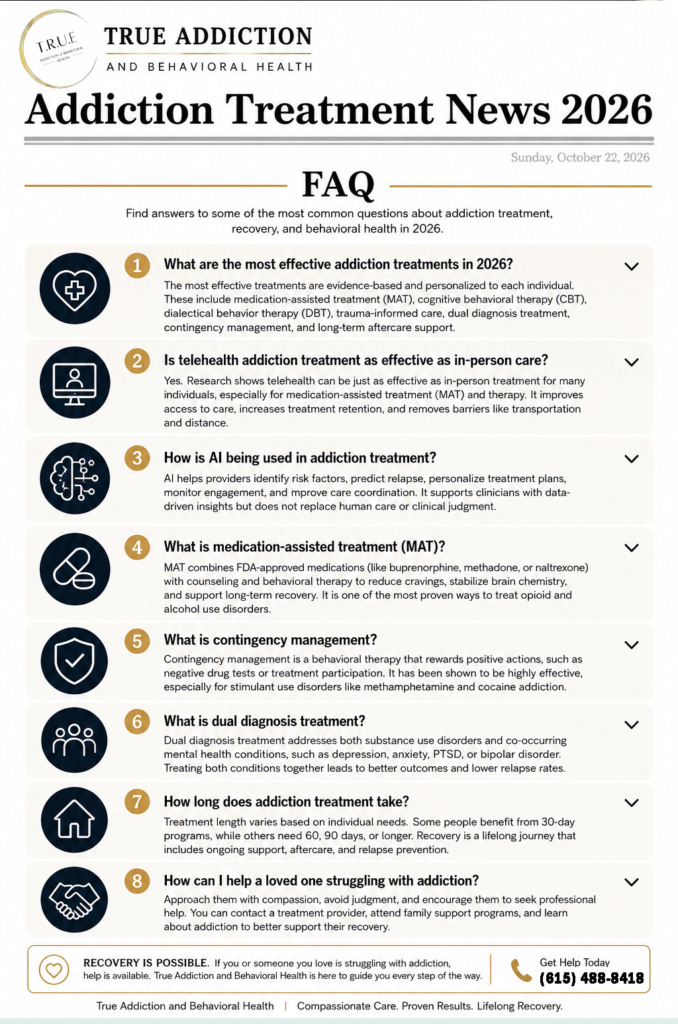
FAQ Section on Addiction Treatment News
Addiction Treatment News Sources and Resources
- Carrara Treatment Wellness & Spa – Addiction Treatment Trends 2026
https://carraratreatment.com/addiction-treatment-trends-2026/ - Pew Research Center – Federal Government Permanently Extends Addiction Treatment Through Telehealth
https://www.pew.org/en/research-and-analysis/articles/2026/01/15/federal-government-permanently-extends-addiction-treatment-through-telehealth - American Psychological Association (APA) – Contingency Management Expands in Substance Use Treatment
https://www.apa.org/monitor/2026/04-05/contingency-management-substance-use-treatment - Summit Ridge Recovery – The Opioid Epidemic in 2026: What’s Changing?
https://summitridgerecovery.org/resources/opioid-epidemic-2026/ - Axios – Federal Addiction Treatment Policy Shifts in 2026
https://www.axios.com/2026/05/18/trump-addiction-treatment-policy - Donlan Counseling – Emerging Fentanyl Drug Trends in 2026
https://donlancounseling.com/emerging-fentanyl-drug-trends-2026/ - AAPC – 2026 Outlook: Behavioral Health and Drug Dependence
https://www.aapc.com/blog/93688-2026-outlook-behavioral-health-and-drug-dependence/ - National West Virginia Center for Independent Living – Fourth-Wave Stimulant-Fentanyl Crisis Demands New Treatment Approaches
https://nwvcil.org/blog/2026-03-01-fourth-wave-stimulant-fentanyl-crisis-demands-new-treatment - National Institute on Drug Abuse (NIDA) – Medications to Treat Opioid Use Disorder
https://nida.nih.gov/research-topics/medications-to-treat-opioid-use-disorder - Substance Abuse and Mental Health Services Administration (SAMHSA) – Behavioral Health Treatment Statistics and Recovery Trends
https://www.samhsa.gov/data/ - Centers for Disease Control and Prevention (CDC) – Drug Overdose Deaths in the United States
https://www.cdc.gov/drugoverdose/deaths/index.html - National Institutes of Health (NIH) – Telehealth and Substance Use Disorder Treatment Outcomes
https://www.nih.gov/news-events/news-releases - Journal of Addiction Medicine – Integrated Behavioral Health and Dual Diagnosis Treatment
https://journals.lww.com/journaladdictionmedicine/pages/default.aspx - Journal of Substance Abuse Treatment – Artificial Intelligence Applications in Addiction Recovery
https://www.sciencedirect.com/journal/journal-of-substance-abuse-treatment - World Health Organization (WHO) – Global Trends in Substance Use and Behavioral Healthcare
https://www.who.int/health-topics/substance-use