Mental health challenges can affect every aspect of a person’s life, from relationships and career performance to physical health and overall well-being. When symptoms become too severe for traditional outpatient therapy but do not require inpatient hospitalization, a Partial Hospitalization Program in Tennessee can provide the intensive support necessary for lasting recovery. TRUE offers a structured, evidence-based approach that helps individuals stabilize their mental health while maintaining connections to their home environment and support systems.
A Partial Hospitalization Program in Tennessee serves as an important level of care for people experiencing significant mental health concerns, including depression, anxiety disorders, trauma-related conditions, mood disorders, and co-occurring challenges. Through comprehensive therapeutic services, psychiatric support, and individualized treatment planning, TRUE helps clients develop the skills and resilience needed to move forward with confidence.
Understanding a Partial Hospitalization Program in Tennessee
A Partial Hospitalization Program in Tennessee is designed to provide intensive mental health treatment during the day while allowing clients to return home in the evenings. This level of care bridges the gap between inpatient hospitalization and traditional outpatient therapy, offering a highly structured environment that promotes healing without requiring overnight stays.
Many individuals enter a Partial Hospitalization Program in Tennessee after experiencing worsening mental health symptoms that interfere with daily functioning. Others may transition into PHP after completing inpatient treatment and needing continued support before returning to normal routines. The program offers comprehensive clinical services that address emotional, psychological, and behavioral health concerns through multiple therapeutic modalities.
TRUE’s Partial Hospitalization Program emphasizes individualized care, ensuring that every client receives treatment tailored to their unique circumstances, challenges, and recovery goals. This personalized approach allows participants to make meaningful progress while receiving the clinical attention necessary to manage complex mental health conditions.
Why Choose a Partial Hospitalization Program in Tennessee

Mental health treatment is most effective when it matches an individual’s specific needs and level of symptom severity. A Partial Hospitalization Program in Tennessee provides a higher level of support than weekly counseling sessions while offering greater flexibility than inpatient care.
Individuals who choose a Partial Hospitalization Program in Tennessee often benefit from intensive therapy several days each week, regular psychiatric evaluations, medication management, and structured skill-building sessions. This comprehensive approach allows clients to address underlying mental health concerns while practicing newly learned coping strategies in real-world situations outside of treatment hours.
TRUE recognizes that recovery is not a one-size-fits-all process. By offering a balanced combination of clinical support and personal independence, the program empowers clients to build confidence, strengthen emotional regulation skills, and develop healthier ways of managing stress and challenges.
The ability to remain connected with family, friends, and community resources while receiving intensive treatment can significantly enhance recovery outcomes. Many participants find that a Partial Hospitalization Program in Tennessee allows them to maintain important relationships and responsibilities while focusing on their mental health.
Conditions Treated Through TRUE’s Partial Hospitalization Program in Tennessee
TRUE’s Partial Hospitalization Program in Tennessee is designed to support individuals facing a wide range of mental health concerns. Depression is one of the most common conditions treated within the program. Individuals struggling with persistent sadness, hopelessness, low motivation, and loss of interest in daily activities can benefit from intensive therapeutic interventions that target both symptoms and underlying causes.
Anxiety disorders are also frequently addressed through PHP services. Whether someone experiences generalized anxiety disorder, panic disorder, social anxiety, or severe stress-related symptoms, the structured environment provides opportunities to learn practical coping skills while receiving ongoing clinical support.
Trauma-related disorders, including post-traumatic stress disorder, can significantly impact a person’s quality of life. TRUE’s trauma-informed approach ensures that clients receive compassionate care that promotes healing while minimizing the risk of retraumatization. Evidence-based therapies help individuals process traumatic experiences and develop healthier responses to triggers and stressors.
Mood disorders such as bipolar disorder often require a higher level of clinical monitoring and support. A Partial Hospitalization Program in Tennessee can provide the structured treatment necessary to help individuals manage mood fluctuations, maintain medication compliance, and establish routines that support long-term stability.
Individuals with co-occurring mental health challenges may also benefit from the comprehensive services available through TRUE. Integrated treatment approaches address multiple concerns simultaneously, helping clients achieve more sustainable recovery outcomes.
The Structure of a Partial Hospitalization Program in Tennessee
One of the defining characteristics of a Partial Hospitalization Program in Tennessee is its structured daily schedule. TRUE’s program is carefully designed to maximize therapeutic engagement while creating opportunities for personal growth and skill development.
Clients typically participate in multiple therapeutic sessions throughout the day. These may include individual counseling, group therapy, psychoeducation, cognitive behavioral therapy, dialectical behavior therapy, and specialized therapeutic interventions tailored to individual needs.
The structured environment helps participants establish consistency and routine, both of which can play important roles in mental health recovery. Daily participation encourages accountability while providing regular opportunities to practice new coping skills and receive constructive feedback from clinicians and peers.
A Partial Hospitalization Program in Tennessee also includes ongoing psychiatric support. Medication management services allow treatment providers to monitor progress, evaluate effectiveness, and make adjustments when necessary. This integrated approach ensures that all aspects of treatment work together to support recovery.
Evidence-Based Therapies in TRUE’s Partial Hospitalization Program in Tennessee
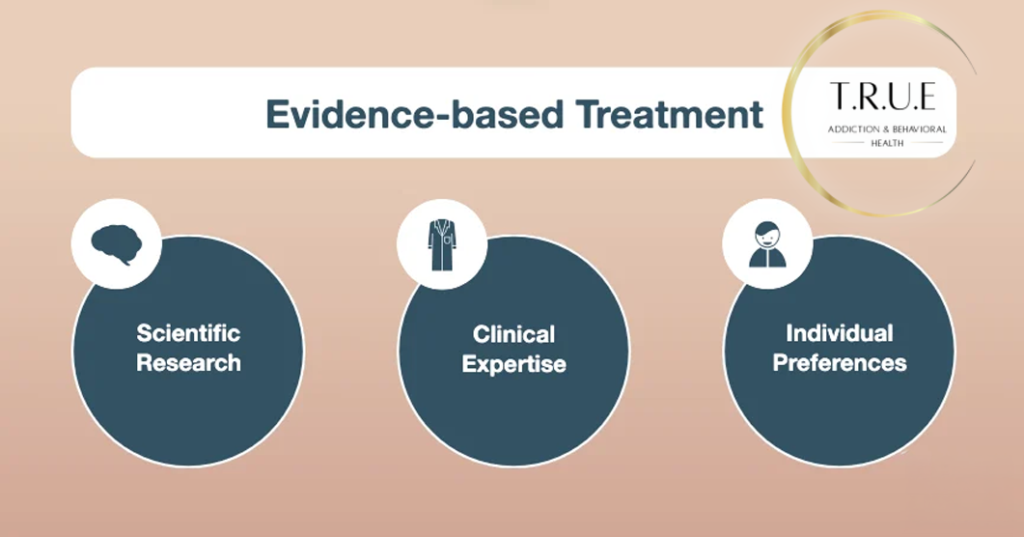
Effective mental health treatment relies on evidence-based practices that have been shown to produce positive outcomes. TRUE incorporates a variety of therapeutic approaches within its Partial Hospitalization Program in Tennessee to meet the diverse needs of clients.
Cognitive Behavioral Therapy helps individuals identify and change negative thought patterns that contribute to emotional distress and unhealthy behaviors. Through CBT, clients learn how thoughts, emotions, and actions are interconnected, enabling them to develop healthier ways of responding to challenges.
Dialectical Behavior Therapy is particularly effective for individuals struggling with emotional regulation, interpersonal difficulties, and distress tolerance. DBT teaches practical skills that help clients manage intense emotions while improving relationships and communication.
Trauma-focused therapies provide a safe environment for individuals to process traumatic experiences and reduce the impact of trauma-related symptoms. These approaches help clients build resilience and regain a sense of control over their lives.
Group therapy serves as another important component of a Partial Hospitalization Program in Tennessee. Participating in therapeutic groups allows clients to share experiences, gain perspective, and develop supportive connections with others who understand similar challenges.
TRUE’s multidisciplinary team works collaboratively to ensure that each therapeutic intervention aligns with the client’s individual treatment goals and recovery plan.
Benefits of Choosing TRUE’s Partial Hospitalization Program in Tennessee
There are numerous advantages to seeking care through a Partial Hospitalization Program in Tennessee, particularly when treatment is delivered by an experienced and compassionate provider like TRUE.
One significant benefit is the intensity of care. Clients receive far more therapeutic support than traditional outpatient programs, allowing them to make meaningful progress in a shorter period of time. Frequent interaction with clinicians provides opportunities to address challenges as they arise and make adjustments to treatment strategies when needed.
Another benefit is flexibility. Unlike inpatient hospitalization, a Partial Hospitalization Program in Tennessee allows participants to return home each day. This arrangement helps individuals maintain family connections and apply newly learned skills in everyday situations.
The comprehensive nature of treatment also contributes to improved outcomes. By combining therapy, psychiatric care, education, and skill development, TRUE addresses multiple dimensions of mental health recovery simultaneously.
Participants often report increased self-awareness, improved emotional regulation, stronger coping mechanisms, and greater confidence in their ability to manage life’s challenges. These benefits can continue long after the program is completed, supporting long-term wellness and stability.
Family Involvement in a Partial Hospitalization Program in Tennessee
Family support can play a critical role in mental health recovery. TRUE recognizes the importance of involving loved ones whenever appropriate and beneficial to the client’s treatment goals.
A Partial Hospitalization Program in Tennessee often includes opportunities for family education and participation. Family members can learn more about mental health conditions, treatment strategies, communication techniques, and ways to support recovery outside of the clinical setting.
When families gain a better understanding of the challenges their loved one faces, they are often better equipped to provide meaningful encouragement and support. This collaborative approach strengthens relationships and creates a more supportive recovery environment.
Family involvement can also help identify patterns, stressors, and dynamics that may contribute to mental health concerns. Addressing these factors as part of treatment promotes healthier interactions and improved long-term outcomes.
Transitioning From PHP to Continued Care
Recovery is an ongoing process, and successful treatment often involves multiple levels of care over time. A Partial Hospitalization Program in Tennessee serves as an important step in the recovery continuum, helping individuals build a strong foundation before transitioning to less intensive services.
As clients progress through treatment, TRUE’s clinical team develops comprehensive discharge and aftercare plans that support continued growth and stability. These plans may include outpatient therapy, psychiatric follow-up appointments, support groups, and other community-based resources.
The transition process is carefully managed to ensure continuity of care. Clients leave the program with practical tools, coping strategies, and support systems that help them maintain progress and navigate future challenges.
By focusing on long-term wellness rather than short-term symptom relief alone, TRUE helps individuals develop sustainable recovery pathways that promote lasting mental health improvement.
Why TRUE Is a Trusted Choice for a Partial Hospitalization Program in Tennessee
Choosing the right provider for mental health treatment is one of the most important decisions an individual can make. TRUE has established itself as a trusted resource for individuals seeking a Partial Hospitalization Program in Tennessee through its commitment to compassionate care, clinical excellence, and individualized treatment.
The program is staffed by experienced mental health professionals who understand the complexities of mental health recovery and the importance of personalized support. Every aspect of treatment is designed to help clients achieve meaningful progress while feeling respected, understood, and empowered.
TRUE’s comprehensive approach combines evidence-based therapies, psychiatric care, skill-building opportunities, and supportive community connections to create a healing environment that fosters growth and resilience.
For individuals struggling with significant mental health challenges, a Partial Hospitalization Program in Tennessee can provide the structure, support, and clinical expertise needed to move toward recovery. Through personalized care and a commitment to long-term wellness, TRUE helps clients regain stability, improve quality of life, and build a healthier future.
When seeking a Partial Hospitalization Program in Tennessee, individuals and families can trust TRUE to deliver compassionate, evidence-based treatment that addresses the whole person. With the right support and guidance, recovery is possible, and TRUE stands ready to help clients take the next step toward lasting mental health and emotional well-being.
Frequently Asked Questions About Partial Hospitalization Program in Tennessee
What is a Partial Hospitalization Program in Tennessee?
A Partial Hospitalization Program in Tennessee (PHP) is a structured mental health treatment program that provides intensive therapeutic support during the day while allowing clients to return home in the evenings. It serves as a middle level of care between inpatient hospitalization and traditional outpatient therapy.
Who can benefit from a Partial Hospitalization Program in Tennessee?
Individuals experiencing moderate to severe mental health symptoms that interfere with daily life may benefit from a Partial Hospitalization Program in Tennessee. This includes people struggling with depression, anxiety disorders, bipolar disorder, PTSD, trauma-related conditions, and other mental health concerns that require more support than weekly counseling can provide.
How is a Partial Hospitalization Program different from inpatient treatment?
Unlike inpatient treatment, a Partial Hospitalization Program in Tennessee does not require overnight stays. Clients participate in structured therapy and psychiatric services during the day and return home afterward, allowing them to maintain family connections and apply recovery skills in real-world settings.
How many hours per day does a Partial Hospitalization Program require?
Most Partial Hospitalization Programs in Tennessee involve several hours of treatment per day, typically five days per week. The exact schedule may vary depending on individual treatment needs and recommendations from the clinical team.
What therapies are offered in a Partial Hospitalization Program in Tennessee?
Treatment often includes evidence-based therapies such as Cognitive Behavioral Therapy (CBT), Dialectical Behavior Therapy (DBT), trauma-informed therapy, group counseling, individual therapy, psychoeducation, and medication management services.
Can I continue working while attending a Partial Hospitalization Program in Tennessee?
Because PHP is an intensive daytime treatment program, maintaining a full-time work schedule may be challenging. However, some individuals are able to continue limited work responsibilities depending on their treatment schedule and recovery needs.
Does a Partial Hospitalization Program include medication management?
Yes. TRUE’s Partial Hospitalization Program in Tennessee includes psychiatric evaluations and medication management services when appropriate. Treatment providers monitor progress, assess medication effectiveness, and make adjustments as needed.
How long does a Partial Hospitalization Program in Tennessee last?
The length of treatment varies based on each person’s needs, symptoms, and progress. Some individuals participate for a few weeks, while others may benefit from a longer treatment period before transitioning to a lower level of care.
Is family involvement encouraged during treatment?
Yes. Family involvement is often an important part of recovery. TRUE may incorporate family education, support, and therapeutic participation when appropriate to help strengthen communication, understanding, and long-term recovery outcomes.
What happens after completing a Partial Hospitalization Program in Tennessee?
After completing PHP, clients typically transition to a lower level of care, such as an Intensive Outpatient Program (IOP), outpatient therapy, psychiatric follow-up services, or community support groups. TRUE develops individualized aftercare plans to support ongoing recovery and mental wellness.
Is a Partial Hospitalization Program in Tennessee covered by insurance?
Many insurance providers offer coverage for Partial Hospitalization Programs when treatment is deemed medically necessary. Coverage levels vary by plan, so individuals should verify benefits with their insurance provider or speak with the admissions team for assistance.
Why choose TRUE’s Partial Hospitalization Program in Tennessee?
TRUE provides compassionate, individualized, evidence-based mental health care designed to help clients achieve lasting recovery. Through intensive therapy, psychiatric support, personalized treatment planning, and a commitment to long-term wellness, TRUE helps individuals build the skills and confidence needed for a healthier future.
Sources and Resources
Substance Abuse and Mental Health Services Administration (SAMHSA). National Guidelines for Behavioral Health Crisis Care and Continuum of Care Resources. Available at: https://www.samhsa.gov National Institute of Mental Health (NIMH). Psychotherapies and Mental Health Treatment. Available at: https://www.nimh.nih.gov American Psychiatric Association (APA). What Is Psychiatry and Levels of Mental Health Care. Available at: https://www.psychiatry.org Centers for Medicare & Medicaid Services (CMS). Partial Hospitalization Programs. Available at: https://www.cms.gov Mental Health America (MHA). Mental Health Treatment and Support Services. Available at: https://www.mhanational.org National Alliance on Mental Illness (NAMI). Getting Mental Health Treatment and Support. Available at: https://www.nami.org American Psychological Association. Clinical Practice Guidelines for the Treatment of Mental Health Disorders. Available at: https://www.apa.org SAMHSA. Behavioral Health Treatment Services Locator and Continuum of Care Information. Available at: https://findtreatment.gov Tennessee Department of Mental Health and Substance Abuse Services. Behavioral Health Services in Tennessee. Available at: https://www.tn.gov/behavioral-health National Center for Biotechnology Information (NCBI). Research regarding intensive outpatient and partial hospitalization treatment effectiveness. Available at: https://www.ncbi.nlm.nih.gov