

Marijuana Psychosis is an increasingly discussed and clinically relevant issue, particularly as cannabis legalization expands and public perception shifts toward viewing marijuana as a low-risk substance. In Tennessee, where marijuana laws remain restrictive compared to many other states, the conversation around Marijuana Psychosis is evolving in a unique way. For organizations like TRUE Addiction & Behavioral Health, understanding and addressing Marijuana Psychosis is essential in supporting individuals and families navigating complex mental health and substance use challenges.
This article explores Marijuana Psychosis in Tennessee from a clinical, societal, and treatment-focused perspective, providing a comprehensive understanding of what it is, why it happens, who is at risk, and how recovery is possible.
What Is Marijuana Psychosis?
Marijuana Psychosis refers to a condition in which cannabis use triggers acute or prolonged psychotic symptoms. These symptoms can include hallucinations, delusions, paranoia, disorganized thinking, and a detachment from reality. While not everyone who uses marijuana will experience psychosis, the risk is real and increasing, particularly with the rise of high-potency cannabis products.
Psychosis itself is not a diagnosis but a symptom cluster that can appear in several mental health conditions, including schizophrenia, bipolar disorder, and substance-induced psychotic disorders. In the case of Marijuana Psychosis, cannabis acts as either the trigger or the catalyst that brings underlying vulnerabilities to the surface.
In Tennessee, clinicians are reporting a growing number of cases where individuals present with first-episode psychosis following cannabis use. These cases are especially concerning because they often occur in adolescents and young adults, whose brains are still developing.
The Neurobiology Behind Marijuana Psychosis
To understand Marijuana Psychosis, it is important to look at how cannabis interacts with the brain. The primary psychoactive compound in marijuana, tetrahydrocannabinol, commonly known as THC, binds to cannabinoid receptors in the brain. These receptors are part of the endocannabinoid system, which plays a role in regulating mood, memory, perception, and cognition.
When THC enters the system, it disrupts normal neurotransmitter activity, particularly dopamine signaling. Dopamine dysregulation is strongly associated with psychosis. High levels of dopamine in certain areas of the brain can lead to hallucinations and delusions, hallmark symptoms of Marijuana Psychosis.
Modern cannabis products often contain significantly higher concentrations of THC than in previous decades. This increase in potency has been directly linked to higher rates of psychotic episodes. In Tennessee, although recreational marijuana is not legal, high-potency products still find their way into communities, often through illicit markets or neighboring states.
Risk Factors for Marijuana Psychosis
Not everyone who uses marijuana will develop psychosis, but several risk factors significantly increase the likelihood. Genetics plays a major role. Individuals with a family history of schizophrenia or other psychotic disorders are at a higher risk of experiencing Marijuana Psychosis.
Age is another critical factor. Adolescents and young adults are particularly vulnerable because their brains are still undergoing significant development. The introduction of THC during this period can interfere with neural pathways and increase susceptibility to psychiatric conditions.
Frequency and potency of use also matter. Regular use of high-THC cannabis greatly elevates the risk. Additionally, individuals who begin using marijuana at an early age are more likely to experience adverse mental health outcomes.
Environmental stressors, trauma, and co-occurring mental health conditions such as anxiety or depression can further compound the risk. In Tennessee, where access to mental health services can vary by region, these factors often intersect, creating a perfect storm for Marijuana Psychosis to emerge.
Marijuana Psychosis in Tennessee: A Unique Landscape
Tennessee presents a distinct environment when it comes to Marijuana Psychosis. Unlike states with legalized recreational cannabis, Tennessee maintains strict marijuana laws, allowing only limited medical use under specific conditions. Despite this, cannabis use remains prevalent, particularly among younger populations.
One of the challenges in Tennessee is the perception gap. Many individuals assume that because marijuana is natural, it is inherently safe. This misconception can delay recognition of Marijuana Psychosis symptoms and prevent individuals from seeking help early.
Healthcare providers across Tennessee are increasingly encountering cases of cannabis-induced psychosis in emergency rooms, outpatient clinics, and behavioral health centers. Rural areas face additional challenges, including limited access to specialized psychiatric care, which can delay diagnosis and treatment.
Organizations like TRUE Addiction & Behavioral Health play a crucial role in bridging this gap by providing education, early intervention, and comprehensive treatment services tailored to the needs of Tennessee communities.
Signs and Symptoms of Marijuana Psychosis
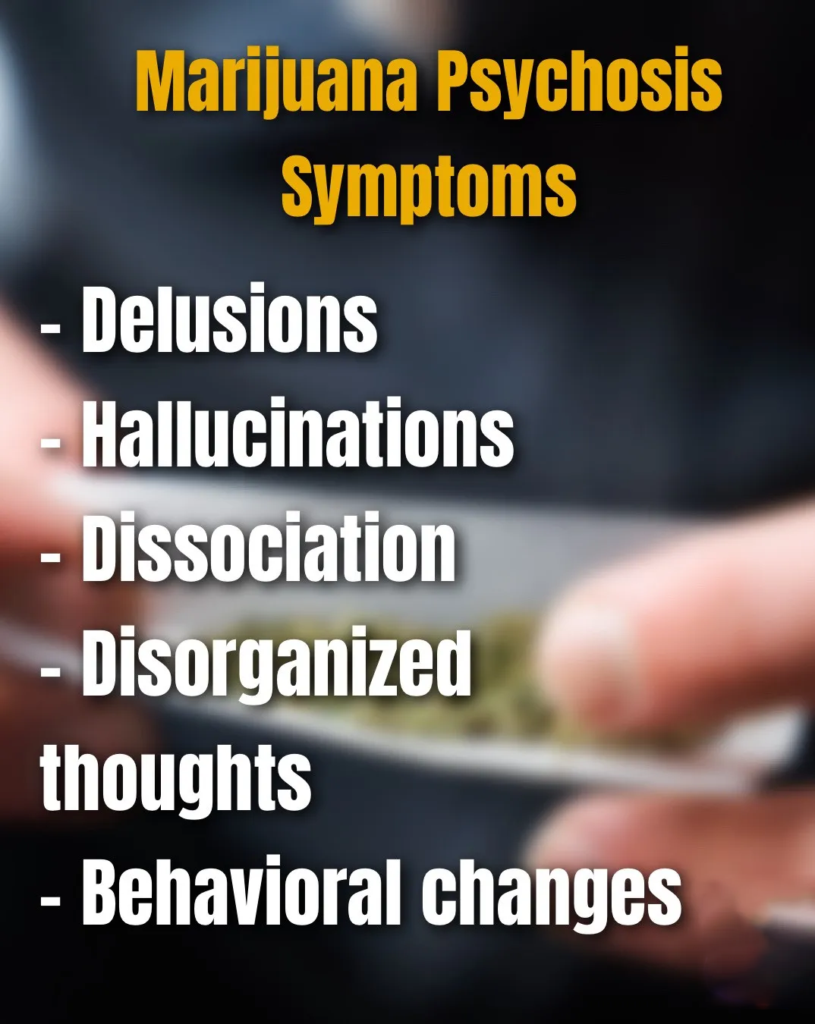
Recognizing the signs of Marijuana Psychosis is essential for early intervention. Symptoms can appear suddenly, often during or shortly after cannabis use, but in some cases, they may persist long after the substance has left the body.
Individuals experiencing Marijuana Psychosis may report seeing or hearing things that are not there. They may develop strong beliefs that are not grounded in reality, such as paranoia or delusions of persecution. Disorganized thinking can make it difficult for them to communicate effectively or follow conversations.
Behavioral changes are also common. A person may become withdrawn, agitated, or unusually fearful. Sleep disturbances, mood swings, and a decline in functioning at work or school may also occur.
In Tennessee, families often play a critical role in identifying these symptoms and seeking help. Early recognition can significantly improve outcomes and reduce the risk of long-term psychiatric complications.
Short-Term vs. Long-Term Effects
Marijuana Psychosis can manifest in both short-term and long-term forms. Acute episodes may resolve once the effects of THC wear off, especially with proper medical support. However, in some cases, psychosis can persist and evolve into a chronic condition.
Research suggests that individuals who experience Marijuana Psychosis are at an increased risk of developing schizophrenia or other long-term psychotic disorders. This risk is particularly high for those with underlying genetic vulnerabilities.
In Tennessee, the long-term implications of Marijuana Psychosis are a growing concern for healthcare providers. Early intervention and sustained treatment are critical in preventing progression and supporting recovery.
Diagnosis and Clinical Assessment
Diagnosing Marijuana Psychosis involves a comprehensive clinical assessment. Healthcare providers evaluate the individual’s substance use history, mental health background, and current symptoms. Laboratory tests may be used to confirm the presence of cannabis in the system.
Clinicians must differentiate between substance-induced psychosis and primary psychotic disorders. This distinction is important because it influences the treatment approach and prognosis.
In Tennessee, access to qualified mental health professionals can vary, making it essential for individuals to seek care from reputable providers like TRUE Addiction & Behavioral Health, where multidisciplinary teams can conduct thorough evaluations and develop personalized treatment plans.
Treatment Approaches for Marijuana Psychosis

Treatment for Marijuana Psychosis typically involves a combination of medical, psychological, and supportive interventions. The first step is often stabilization, which may require hospitalization in severe cases.
Antipsychotic medications are commonly used to manage acute symptoms. These medications help regulate dopamine levels and reduce hallucinations and delusions. In addition to medication, psychotherapy plays a critical role in recovery.
Cognitive behavioral therapy can help individuals understand the relationship between cannabis use and their symptoms, develop coping strategies, and prevent relapse. Family therapy is also valuable, particularly in Tennessee, where family support systems are often central to recovery.
Substance use treatment is an essential component of care. Addressing cannabis use and any co-occurring substance use disorders is critical in preventing future episodes of Marijuana Psychosis.
The Role of TRUE Addiction & Behavioral Health
TRUE Addiction & Behavioral Health is uniquely positioned to address Marijuana Psychosis in Tennessee through a comprehensive, evidence-based approach. By integrating mental health and substance use treatment, TRUE provides a continuum of care that supports individuals at every stage of recovery.
Their programs focus on individualized treatment plans, combining clinical expertise with compassionate care. From detoxification and stabilization to outpatient therapy and long-term support, TRUE helps individuals regain control of their lives.
Education is also a key component of their mission. By raising awareness about Marijuana Psychosis, TRUE empowers individuals and families to make informed decisions and seek help when needed.
Prevention and Public Awareness
Preventing Marijuana Psychosis requires a multifaceted approach. Public education is critical in dispelling myths about cannabis and highlighting the risks associated with high-potency products.
In Tennessee, schools, community organizations, and healthcare providers are increasingly collaborating to raise awareness. Early education about the potential mental health effects of marijuana can help reduce initiation and promote safer behaviors.
Screening and early intervention programs can also play a significant role. Identifying at-risk individuals and providing support before psychosis develops can significantly improve outcomes.
The Future of Marijuana Psychosis in Tennessee
As national attitudes toward cannabis continue to evolve, Tennessee will likely face ongoing challenges related to Marijuana Psychosis. Changes in legislation, increased access to cannabis products, and shifting cultural perceptions will all influence the landscape.
Healthcare systems must be prepared to respond with robust mental health services, research initiatives, and public health strategies. Organizations like TRUE Addiction & Behavioral Health will remain at the forefront of this effort, providing the expertise and care needed to address this complex issue.
Moving Toward Recovery and Stability
Marijuana Psychosis is a serious but treatable condition. With the right support, individuals can recover and lead fulfilling lives. The key is early recognition, comprehensive treatment, and ongoing support.
In Tennessee, where communities are closely connected, there is a powerful opportunity to create a supportive environment that prioritizes mental health and recovery. By working together, families, healthcare providers, and organizations like TRUE Addiction & Behavioral Health can make a meaningful difference.
Understanding Marijuana Psychosis is the first step. Taking action is the next.
Frequently Asked Questions About Marijuana Psychosis in Tennessee
What is Marijuana Psychosis?
Marijuana Psychosis is a condition where cannabis use triggers symptoms such as hallucinations, delusions, paranoia, and disorganized thinking. It can occur during or after marijuana use and may be temporary or persist longer depending on individual risk factors and frequency of use.
Is Marijuana Psychosis common in Tennessee?
Marijuana Psychosis is becoming more frequently observed across Tennessee, particularly among adolescents and young adults. While exact statewide data varies, behavioral health providers are seeing a noticeable increase in cannabis-related psychiatric episodes, even in areas where marijuana remains illegal.
Can marijuana really cause psychosis if it’s considered “natural”?
Yes. The perception that marijuana is safe because it is natural is misleading. High-potency cannabis products, especially those rich in THC, can significantly impact brain chemistry and trigger Marijuana Psychosis in certain individuals.
Who is most at risk for Marijuana Psychosis?
Individuals with a family history of mental illness, especially schizophrenia or bipolar disorder, are at higher risk. Young people, frequent cannabis users, and those using high-THC products are also more vulnerable to developing Marijuana Psychosis.
How quickly can Marijuana Psychosis occur?
Marijuana Psychosis can occur within minutes to hours after cannabis use, especially with high-potency products. In some cases, symptoms may develop gradually with repeated use over time.
Are the effects of Marijuana Psychosis permanent?
Not always. Some individuals experience short-term psychotic episodes that resolve with treatment and abstinence from cannabis. However, in other cases, Marijuana Psychosis can lead to long-term psychiatric conditions, particularly if underlying vulnerabilities exist.
What are the warning signs of Marijuana Psychosis?
Common signs include paranoia, hearing or seeing things that are not there, irrational beliefs, confusion, anxiety, and significant changes in behavior or mood. If these symptoms appear after marijuana use, immediate evaluation is recommended.
How is Marijuana Psychosis treated in Tennessee?
Treatment typically includes medical stabilization, antipsychotic medications if needed, and therapy. Programs like those offered by TRUE Addiction & Behavioral Health provide integrated care that addresses both substance use and mental health.
Can someone recover fully from Marijuana Psychosis?
Yes, many individuals recover fully, especially with early intervention and proper treatment. Avoiding cannabis and engaging in ongoing mental health care significantly improves outcomes.
Should someone stop using marijuana if they experience psychosis?
Absolutely. Continued cannabis use after experiencing Marijuana Psychosis greatly increases the risk of future episodes and more severe mental health complications.
Is Marijuana Psychosis the same as schizophrenia?
No, but they are related. Marijuana Psychosis is a substance-induced condition, while schizophrenia is a chronic mental health disorder. However, Marijuana Psychosis can sometimes trigger or accelerate the onset of schizophrenia in vulnerable individuals.
How can families in Tennessee help a loved one experiencing Marijuana Psychosis?
Families should seek professional help immediately, encourage treatment, and provide emotional support without judgment. Early intervention can make a significant difference in recovery outcomes.
Where can someone in Tennessee get help for Marijuana Psychosis?
Treatment is available through specialized providers like TRUE Addiction & Behavioral Health, as well as hospitals and licensed mental health professionals throughout the state. Seeking care from an integrated behavioral health provider ensures comprehensive support.
Can medical marijuana cause psychosis?
Yes, even medically prescribed marijuana can lead to Marijuana Psychosis, especially if it contains high levels of THC or is used improperly. Medical use does not eliminate the risk.
How can Marijuana Psychosis be prevented?
Prevention involves education, avoiding early cannabis use, limiting exposure to high-THC products, and screening individuals with mental health risk factors. Awareness is the most powerful tool in reducing incidence.
Sources and References for Marijuana Psychosis
- https://jamanetwork.com/journals/jamapsychiatry/fullarticle/2832297
- https://www.nature.com/articles/s41398-022-02112-8
- https://www.sciencealert.com/huge-study-reveals-how-often-cannabis-triggers-psychotic-episodes
- https://pmc.ncbi.nlm.nih.gov/articles/PMC12539040/
- https://www.kcl.ac.uk/archive/news/ioppn/records/2019/march/high-potency-cannabis-linked-to-higher-rates-of-psychosis
- https://jamanetwork.com/journals/jamapsychiatry/fullarticle/2832297
- https://medicine.yale.edu/news-article/behind-the-smoke-unmasking-the-link-between-cannabis-and-schizophrenia/
- https://www.nature.com/articles/s41398-021-01330-w
- https://www.canada.ca/en/health-canada/services/publications/drugs-health-products/does-cannabis-use-increase-risk-developing-psychosis-schizophrenia.html
- https://www.scientificamerican.com/article/the-link-between-cannabis-and-psychosis-in-teens-is-real/
- https://pmc.ncbi.nlm.nih.gov/articles/PMC12539040/
- https://www.nature.com/articles/s44220-024-00261-x
- https://www.sciencedirect.com/science/article/pii/S0165178123005760
- https://www.sciencedirect.com/topics/neuroscience/cannabis-induced-psychosis
Verify Your Insurance Online
We are here to help. Contact us today and get the answers you need to start your journey to recovery!