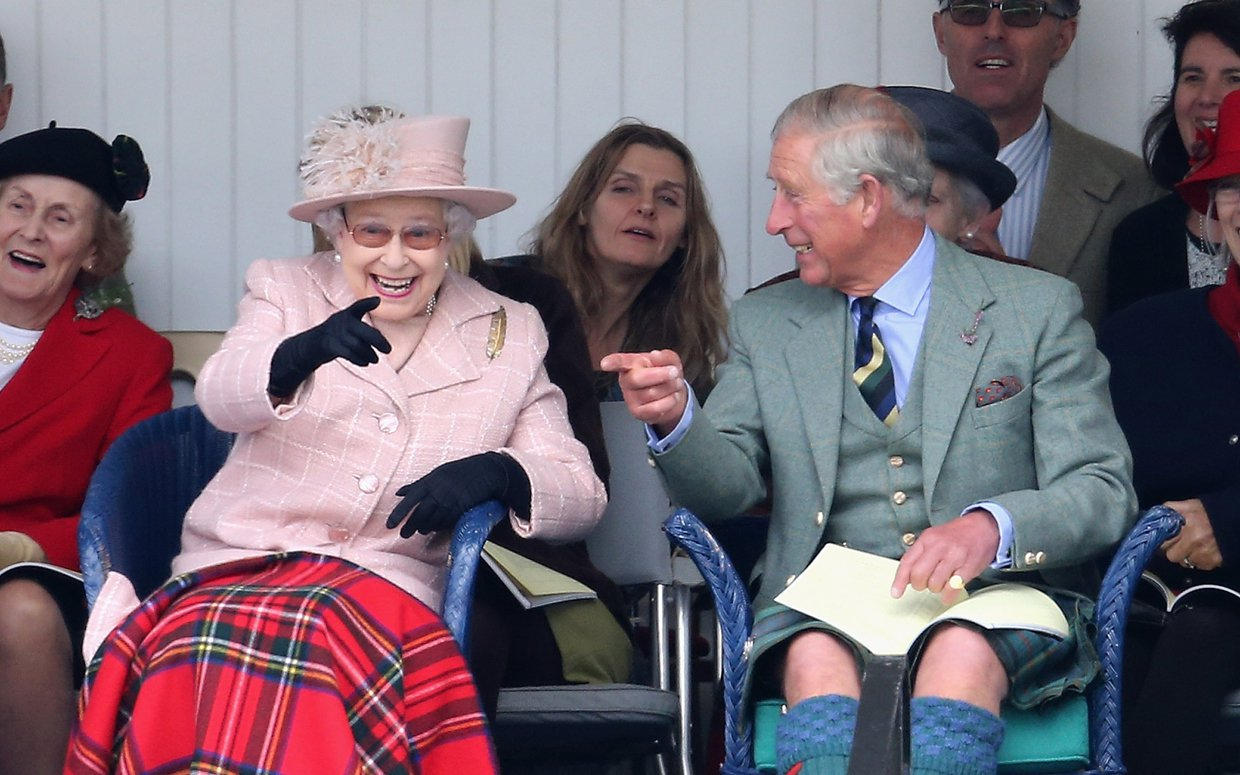
Addiction in the royal family is a topic that attracts public curiosity, but it should be handled with care, accuracy, and compassion. At TRUE Addiction & Behavioral Health, the deeper lesson is not about gossip, scandal, or judgment. The real lesson is that addiction can affect any family, even families surrounded by wealth, tradition, public image, and historic responsibility.
The royal family has long represented dignity, duty, ceremony, and national identity. Yet every royal household is still made up of human beings. Behind the public appearances are grief, pressure, family conflict, stress, trauma, disappointment, and emotional pain. Those are the same human experiences that can affect any person struggling with alcohol, drugs, nicotine, gambling, or other compulsive behaviors.
Addiction does not care about titles. It does not stop at palace gates. It does not avoid people with privilege, education, fame, family legacy, or access to private care. Addiction can appear in the life of a laborer, a business owner, a parent, a veteran, a teenager, a doctor, or a prince. That is why the conversation about addiction in the royal family matters. It reminds us that substance use disorders are not moral failures. They are complex health conditions that require honesty, treatment, support, and long-term care.
The NHS defines addiction as not having control over doing, taking, or using something to the point where it could be harmful. Addiction is often associated with drugs, alcohol, gambling, and smoking, but it can also involve other behaviors. The National Institute on Drug Abuse describes addiction as a chronic, relapsing disorder involving compulsive drug seeking and use despite harmful consequences. These definitions are important because they help move addiction out of the language of shame and into the language of care.
Why Addiction in the Royal Family Captures Public Attention
The royal family is not viewed like an ordinary family. Every decision, relationship, illness, disagreement, and public appearance can become a matter of discussion. That level of public scrutiny can make addiction harder to face. A private person may fear disappointing family members. A royal or public figure may fear disappointing an entire nation.
When addiction appears in a high-profile family, the pressure to protect the image of the family can become intense. People may hide problems. They may minimize warning signs. They may explain away behavior. They may protect the person from consequences. They may fear that admitting the truth will create scandal.
This dynamic is not unique to the royal family. Many families experience the same pattern on a smaller scale. A family may hide a loved one’s alcohol use because they do not want the neighbors to know. A spouse may cover for a partner’s opioid misuse because they are afraid of divorce, job loss, or shame. A parent may ignore a young adult’s drug use because facing it feels overwhelming. Addiction often grows in silence, and silence is one of its strongest allies.
At TRUE Addiction & Behavioral Health, this is one of the most important messages for families to understand: privacy and secrecy are not the same thing. Privacy protects dignity. Secrecy protects addiction.
The Royal Family and the Pressure to Appear Strong
The royal family has historically been associated with emotional restraint. The public image is often polished, formal, and controlled. For generations, the expectation was to carry on, stay composed, avoid public vulnerability, and place duty above personal pain.
That mindset can be admirable in times of crisis, but it can also become dangerous when people need help. Addiction often develops when pain is buried instead of processed. Alcohol, drugs, nicotine, or compulsive behaviors may become a way to manage anxiety, grief, sadness, pressure, loneliness, or unresolved trauma.
Many people who struggle with addiction do not begin using substances because they want to destroy their lives. They begin because something hurts. They want relief. They want sleep. They want confidence. They want to feel less anxious, less alone, less numb, or less overwhelmed. Over time, the substance or behavior that seemed to offer relief can become the source of deeper suffering.
This is one reason why addiction in the royal family should not be viewed as entertainment. It should be viewed as a public example of a private truth: people in high-pressure families often need emotional support, not just discipline and tradition.
Princess Margaret and the Cost of Glamour, Alcohol, and Smoking
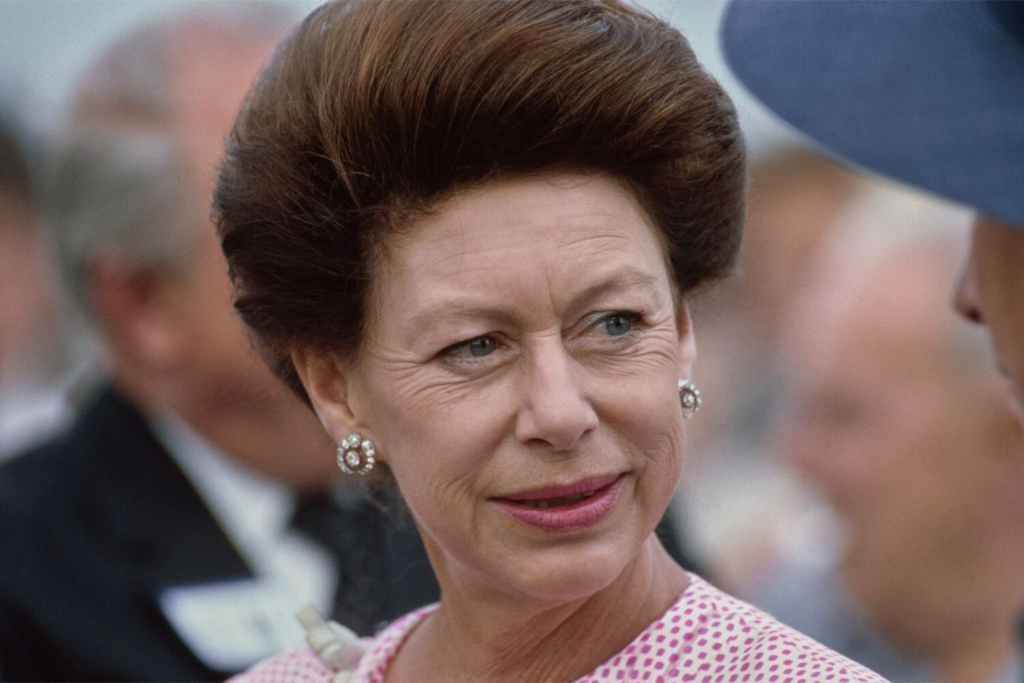
Princess Margaret, the younger sister of Queen Elizabeth II, is one of the most commonly discussed figures when people talk about addiction in the royal family. She was glamorous, witty, fashionable, and rebellious in the eyes of the public. She was also closely watched and deeply constrained by royal expectations.
Reliable reporting and biographical sources have long described Princess Margaret as a heavy smoker and drinker. Britannica notes that she suffered health problems, had surgery in 1985 for possible lung cancer, and later experienced strokes. The Guardian reported after her death that her final years followed more than 50 years of heavy smoking and drinking.
It would be unfair to reduce Princess Margaret’s entire life to substance use. She was more than her struggles. She was a royal figure, a sister, a mother, a cultural personality, and a person shaped by the limits and expectations of her time. Still, her life shows how substance use can become woven into identity, social life, emotional coping, and public image.
In earlier eras, heavy drinking and smoking were often normalized in elite society. Cigarettes could appear stylish. Cocktails could appear sophisticated. Late nights and excess could be framed as glamour. Today, we understand more clearly that these patterns can carry serious physical, emotional, and relational consequences.
Princess Margaret’s story matters because it reveals how easily addiction can be romanticized when the person struggling is famous. What looks glamorous from the outside may feel lonely, painful, and uncontrollable on the inside.
King George VI, Nicotine, and the Hidden Nature of Dependence
Addiction in the royal family is not only about alcohol or illegal drugs. Nicotine dependence is also addiction. For much of the twentieth century, smoking was common, socially accepted, and heavily advertised. People smoked in homes, clubs, offices, military settings, and public spaces. The health risks were not always understood or openly discussed in the way they are today.
King George VI, father of Queen Elizabeth II and Princess Margaret, was known as a heavy smoker. A medical history article on his illness notes that he underwent removal of his left lung in 1951 for cancer. Oxford’s Centre for Evidence-Based Medicine has also discussed how common and accessible cigarettes were in postwar Britain, giving important cultural context to the King’s smoking.
This part of royal history is important because addiction does not always look chaotic. A person can be dutiful, respected, disciplined, and dependent at the same time. Many people with addiction continue to work, lead, parent, serve, and appear functional for years. That does not mean the addiction is harmless. It means the consequences may be hidden until they become medically or emotionally severe.
For families today, this is an important reminder. Addiction should not be measured only by whether someone has “lost everything.” Waiting for a person to hit rock bottom can be dangerous. Earlier intervention can save health, relationships, careers, and lives.
Prince Harry, Public Disclosure, and the Link Between Grief and Substance Use
Prince Harry has become one of the most publicly discussed modern members of the royal family in relation to substance use, grief, and mental health. In reporting connected to his memoir Spare, the Associated Press noted that Harry said he used cocaine several times beginning around age 17 and also acknowledged cannabis and psychedelic mushroom use.
The most meaningful part of this discussion is not the shock value. It is the connection between grief, trauma, emotional distress, and substance use. Harry has spoken publicly about the impact of losing his mother, Princess Diana, at a young age. His disclosures placed substance use within a larger story of pain, unresolved grief, public pressure, and emotional struggle.
This is something TRUE Addiction & Behavioral Health sees often. Substance use can become a way to cope with grief. A person may drink to fall asleep after a loss. Someone may use drugs to numb memories. Another person may rely on cannabis, pills, or alcohol to quiet anxiety. These behaviors may begin as coping mechanisms, but they can become patterns that create more pain over time.
When discussing Prince Harry or any public figure, it is important not to diagnose beyond what has been publicly disclosed. But his story does help open a larger conversation: untreated grief can become dangerous when people are left to carry it alone.
Addiction in the Royal Family and the Problem of Stigma
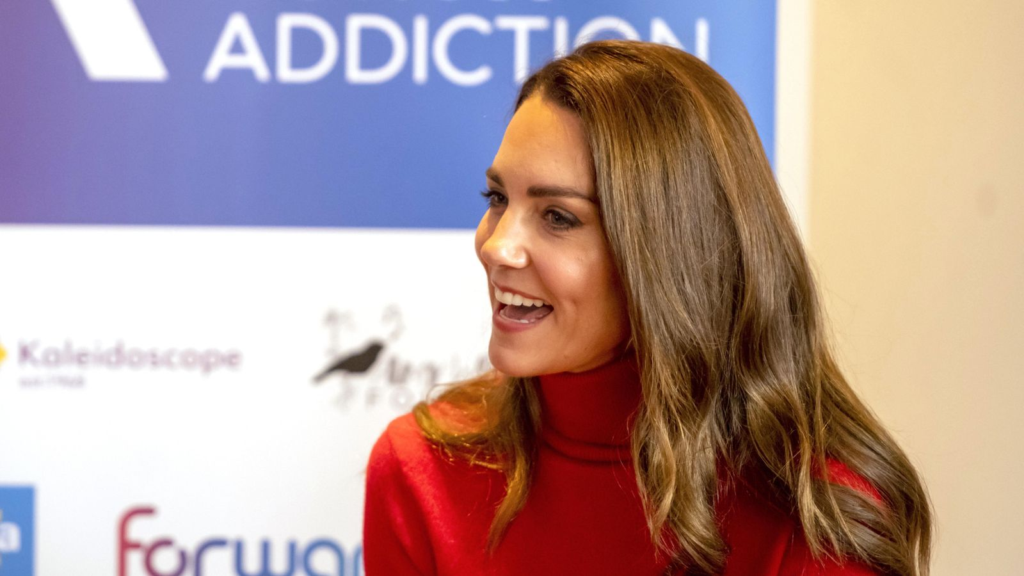
Stigma is one of the greatest barriers to recovery. It tells people that addiction means they are weak, bad, shameful, or beyond help. It tells families to hide the problem. It tells communities to judge instead of support. It tells people in pain to stay silent.
That is why recent public messaging from Catherine, Princess of Wales, has been significant. As patron of The Forward Trust, she has supported Addiction Awareness Week and has described addiction as a complex mental health condition rather than a choice or personal failing. Reporting on her 2025 message emphasized her call for compassion, open conversation, and an end to stigma surrounding addiction.
This matters because the royal family has an enormous platform. When a royal figure speaks about addiction with compassion, it can influence how families, communities, and policymakers think about treatment. It can help people understand that addiction is not solved by shame. It is addressed through care, accountability, treatment, connection, and support.
For TRUE Addiction & Behavioral Health, this message aligns with a central belief: people recover best when they are treated with dignity. Accountability matters, but humiliation does not heal addiction. Compassion does not mean ignoring consequences. It means helping people face the truth without stripping away their humanity.
Alcohol, Social Class, and the Culture of Acceptance
Alcohol has long played a major role in British society and aristocratic culture. It is connected to celebration, clubs, dinner parties, diplomatic gatherings, military tradition, sporting events, and social rituals. In many upper-class environments, drinking has historically been normalized, even when patterns became harmful.
This is not only a royal issue. Many families and communities struggle to identify alcohol misuse because drinking is so socially accepted. A person may be drinking heavily, but if they are still employed, well-dressed, sociable, and respected, the people around them may not recognize the danger.
Alcohol addiction often hides behind phrases like “he likes to have a good time,” “she just drinks socially,” “it helps him relax,” or “everyone drinks like that.” But when alcohol becomes necessary to cope, when it damages relationships, when it affects health, when it creates shame, or when stopping feels impossible, the issue deserves serious attention.
The conversation about addiction in the royal family can help people reflect on their own families. Is alcohol being used socially, or is it being used to survive emotionally? Is drinking occasional, or is it becoming a pattern? Is the family protecting the person, or protecting the addiction?
Addiction as a Family Disease
Addiction does not only affect the person using substances. It affects the entire family system. Families often adapt around addiction without realizing it. They may avoid hard conversations. They may rescue the person from consequences. They may deny what is happening. They may blame each other. They may become divided between those who want confrontation and those who want silence.
In the royal family, those dynamics can become even more complicated because family life overlaps with public duty, institutional image, staff, security, media strategy, and national symbolism. But the emotional patterns are familiar to many families.
A loved one’s addiction can create fear, anger, guilt, confusion, and exhaustion. Parents may wonder what they did wrong. Spouses may feel betrayed. Children may feel unsafe or unseen. Siblings may carry resentment. The person struggling may feel trapped between shame and denial.
TRUE Addiction & Behavioral Health understands that effective treatment must look beyond the substance itself. Recovery often requires addressing trauma, family patterns, mental health symptoms, relapse risks, communication problems, and long-term support needs. Addiction treatment is not only about stopping use. It is about rebuilding a life.
Why Wealth Does Not Prevent Addiction

One misconception about addiction is that people with resources should be able to avoid it. The royal family challenges that assumption. Wealth can provide access to private doctors, safe housing, travel, security, and treatment options. But wealth cannot remove emotional pain. It cannot guarantee healthy coping skills. It cannot erase trauma. It cannot force honesty. It cannot protect a person from the biology of dependence.
In some cases, wealth can even make addiction easier to hide. A person may have fewer immediate financial consequences. They may be protected by staff or family systems. They may be shielded from public accountability. They may be able to maintain appearances longer than someone without resources.
This is why addiction should never be dismissed based on outward success. A person may look powerful and still be powerless over substances. A family may look perfect and still be suffering behind closed doors.
What the Royal Family Conversation Teaches Everyday Families
The most important lesson from addiction in the royal family is that no family is immune. Addiction can exist in families that are wealthy, poor, famous, private, religious, professional, educated, or struggling. It can touch people who seem strong. It can affect those who appear successful. It can happen in families that value duty, reputation, and tradition.
Everyday families can learn several important truths from this public conversation. Addiction should be addressed early. Emotional pain should not be ignored. Grief deserves care. Shame makes recovery harder. Family image should never matter more than a person’s life. Treatment is not a disgrace. Asking for help is not weakness.
At TRUE Addiction & Behavioral Health, the goal is to help people and families move from crisis to clarity. That means helping individuals understand the roots of addiction, develop healthier coping skills, address mental health concerns, and build a recovery plan that can last beyond treatment.
The Need for Ethical, Compassionate Treatment
Addiction treatment should be rooted in clinical care, not judgment. A person struggling with alcohol, opioids, stimulants, cannabis, prescription medication misuse, or other substance use needs an environment where they can be honest. They need professionals who understand the complexity of addiction. They need structure, accountability, therapy, peer support, family involvement when appropriate, and a plan for life after treatment.
TRUE Addiction & Behavioral Health provides care for people who need help with substance use and co-occurring mental health challenges. The mission is not to label people by their worst moments. The mission is to help them stabilize, heal, and rebuild.
The conversation about the royal family can help reduce stigma because it shows that addiction is not limited to one kind of person. It also shows that public image can be a barrier to healing. Whether a person is famous or unknown, recovery usually begins with the same difficult step: telling the truth.
A More Human Way to Talk About the Royal Family and Addiction
When people search for addiction in the royal family, they may be looking for stories about famous individuals. But the better conversation is about humanity. Princess Margaret’s reported heavy drinking and smoking show the dangers of glamorizing harmful habits. King George VI’s smoking history reminds us that dependence can exist behind discipline and duty. Prince Harry’s disclosures show how grief and substance use can intersect. Catherine’s advocacy shows the value of compassion and stigma reduction.
Together, these stories reveal that addiction is not a failure of status. It is not proof that someone is beyond help. It is not something that should be mocked or sensationalized. Addiction is a serious condition that deserves serious care.
The royal family may live under extraordinary public pressure, but the emotional truths are familiar. Families hide pain. People cope in unhealthy ways. Grief changes lives. Shame delays healing. Compassion opens doors.
Conclusion: Addiction in the Royal Family Is a Reminder That Recovery Is for Everyone
Addiction in the royal family is not simply a story about public figures. It is a reminder that addiction can affect anyone. Titles, wealth, education, tradition, and reputation cannot fully protect a person from substance use, mental health struggles, grief, or emotional pain.
For TRUE Addiction & Behavioral Health, the message is clear: addiction should be met with honesty, compassion, and effective treatment. Families should not wait until everything falls apart before seeking help. People should not have to suffer in silence because they are afraid of shame. Recovery is possible when the right support is in place.
The royal family shows the world that even the most visible families can carry hidden pain. TRUE Addiction & Behavioral Health exists to help individuals and families face that pain, address addiction directly, and move toward healing with dignity.
Learn more at www.trueaddictionbh.org.
FAQ: Addiction in the Royal Family
Why is addiction in the royal family an important topic?
Addiction in the royal family is important because it shows that substance use and mental health struggles can affect anyone, regardless of wealth, status, education, or public image. For TRUE Addiction & Behavioral Health, the deeper lesson is that addiction is a human condition, not a character flaw. When public families face these issues, it can help reduce stigma and encourage everyday families to seek help.
Does addiction only affect certain types of families?
No. Addiction can affect any family. It can happen in wealthy families, working-class families, religious families, military families, professional families, and public families. The royal family is a powerful example because it reminds people that privilege does not prevent grief, trauma, stress, or substance use disorders.
What does addiction in the royal family teach us about stigma?
Addiction in the royal family teaches us that stigma often keeps people silent. Public figures may fear scandal, while everyday people may fear judgment from family, friends, employers, or their community. Stigma can delay treatment and make people feel ashamed instead of supported. Recovery becomes more possible when addiction is treated as a health condition that deserves care.
Can grief contribute to addiction?
Yes. Grief can be a major factor in addiction. People may use alcohol, drugs, nicotine, or other substances to numb emotional pain, sleep, manage anxiety, or escape painful memories. When grief is not processed in healthy ways, substance use can become a coping mechanism that eventually creates more harm.
Why do high-profile families sometimes hide addiction?
High-profile families may hide addiction because they fear embarrassment, media attention, reputational damage, or public judgment. However, this same pattern happens in many private families too. People may protect appearances instead of addressing the problem. TRUE Addiction & Behavioral Health believes that privacy can protect dignity, but secrecy can protect addiction.
Is addiction a moral failure?
No. Addiction is not a moral failure. It is a complex condition involving the brain, behavior, mental health, environment, trauma, genetics, and life circumstances. Accountability is still important, but shame does not heal addiction. People recover best when they receive honest support, clinical care, structure, and compassion.
What role does family play in addiction recovery?
Family can play an important role in recovery. Loved ones can provide encouragement, accountability, and emotional support. However, families may also need help understanding boundaries, enabling, communication, and their own stress. Addiction often affects the whole family system, not just the person using substances.
Can someone look successful and still struggle with addiction?
Yes. Many people struggling with addiction continue to work, lead, parent, serve, and appear successful for a long time. This is sometimes called high-functioning addiction. The royal family conversation helps show that outward success or status does not always reveal what someone is privately experiencing.
What substances are commonly connected to addiction?
Addiction can involve alcohol, opioids, stimulants, benzodiazepines, cannabis, nicotine, prescription medications, and other substances. It can also involve behaviors such as gambling. TRUE Addiction & Behavioral Health focuses on helping people understand the root causes of addiction and build a realistic path toward recovery.
How does TRUE Addiction & Behavioral Health help people struggling with addiction?
TRUE Addiction & Behavioral Health helps individuals facing substance use and co-occurring mental health challenges through compassionate, structured, clinically informed care. Treatment is designed to help people stabilize, understand their addiction, address underlying emotional pain, and develop tools for long-term recovery.
When should someone seek help for addiction?
Someone should seek help when substance use is affecting their health, relationships, work, finances, emotions, safety, or ability to function. A person does not have to “hit rock bottom” before getting treatment. Early support can prevent deeper harm and create a stronger chance for recovery.
What is the main takeaway from addiction in the royal family?
The main takeaway is that addiction can affect anyone, and no family is immune. The royal family may live under extraordinary public attention, but the emotional realities of addiction are familiar to many families. Recovery begins with honesty, compassion, and the willingness to seek help.
Learn more at www.trueaddictionbh.org.
Sources
NHS — Addiction: What Is It?
https://www.nhs.uk/live-well/addiction-support/addiction-what-is-it/
Useful for defining addiction, explaining cravings, withdrawal, loss of control, and why addiction can become difficult to stop.
National Institute on Drug Abuse — Drug Misuse and Addiction
https://nida.nih.gov/publications/drugs-brains-behavior-science-addiction/drug-misuse-addiction
Defines addiction as a chronic, relapsing disorder involving compulsive drug seeking and continued use despite harmful consequences.
SAMHSA — National Helpline
https://www.samhsa.gov/find-help/helplines/national-helpline
A U.S. resource for people and families facing mental health or substance use disorders. SAMHSA’s National Helpline is confidential, free, and available 24/7.
World Health Organization — Alcohol Fact Sheet
https://www.who.int/news-room/fact-sheets/detail/alcohol
Good source for alcohol-related health risks, global mortality data, and the connection between alcohol and dependence. WHO reports that alcohol consumption caused about 2.6 million deaths worldwide in 2019.
World Health Organization — Global Information System on Alcohol and Health
https://www.who.int/data/gho/data/themes/global-information-system-on-alcohol-and-health
Useful for alcohol statistics, public health data, and the worldwide burden of harmful alcohol use.
The Forward Trust — Addiction Awareness Week 2025 / Princess of Wales Message
https://forwardtrust.org.uk/news/article/addiction-awareness-week-2025-launches
This source supports the section about Catherine, Princess of Wales, and her message that addiction is not a choice or personal failing, but a complex mental health condition deserving empathy and support.
Taking Action on Addiction — Message from The Princess of Wales
https://takingactiononaddiction.org.uk/news/message-of-support-for-addiction-awareness-week-from-our-patron
Useful for discussing royal advocacy, stigma reduction, and the need to bring addiction “out of the shadows.”
The Guardian — Princess of Wales Calls for End to Stigma Around Addiction
https://www.theguardian.com/society/2025/nov/24/princess-of-wales-calls-for-end-to-stigma-around-addiction
A news source covering the Princess of Wales’ public message on addiction stigma and compassion.
The Guardian — Princess Margaret Obituary / Health and Lifestyle Reporting
https://www.theguardian.com/uk/2002/feb/09/princessmargaret.monarchy
Useful for historical discussion of Princess Margaret’s reported heavy smoking, drinking, and later health decline.
Associated Press — Prince Harry’s Drug Use Cited in Visa Records Case
https://apnews.com/article/prince-harry-visa-washington-drug-use-085e7cf22a7c4ce20b7688fabe6280b5
Supports discussion of Prince Harry’s public disclosures about past cocaine, cannabis, and psychedelic mushroom use.
Associated Press — Takeaways From Prince Harry’s Memoir Spare
https://apnews.com/article/prince-harry-spare-book-revelations-0f60db708cfc266e247c1efa7c98877b
Useful for broader context about Spare, grief, family conflict, and public discussion of drug use.
TRUE Addiction & Behavioral Health
https://trueaddictionbh.org
Use as the primary brand link and call-to-action for the article.