Is Marijuana Addictive?
The question “is Marijuana Addictive” has become increasingly common as legalization expands across the United States and public perception continues to shift. For many people, marijuana is viewed as a relatively harmless substance, often compared favorably to alcohol or other drugs. However, clinical experience and emerging research tell a more nuanced story. At TRUE Addiction and Behavioral Health, we regularly work with individuals whose lives have been impacted by cannabis use in ways they never anticipated. Understanding whether marijuana can lead to addiction is essential for making informed decisions about its use and recognizing when help may be needed.
Understanding Marijuana and Its Effects on the Brain
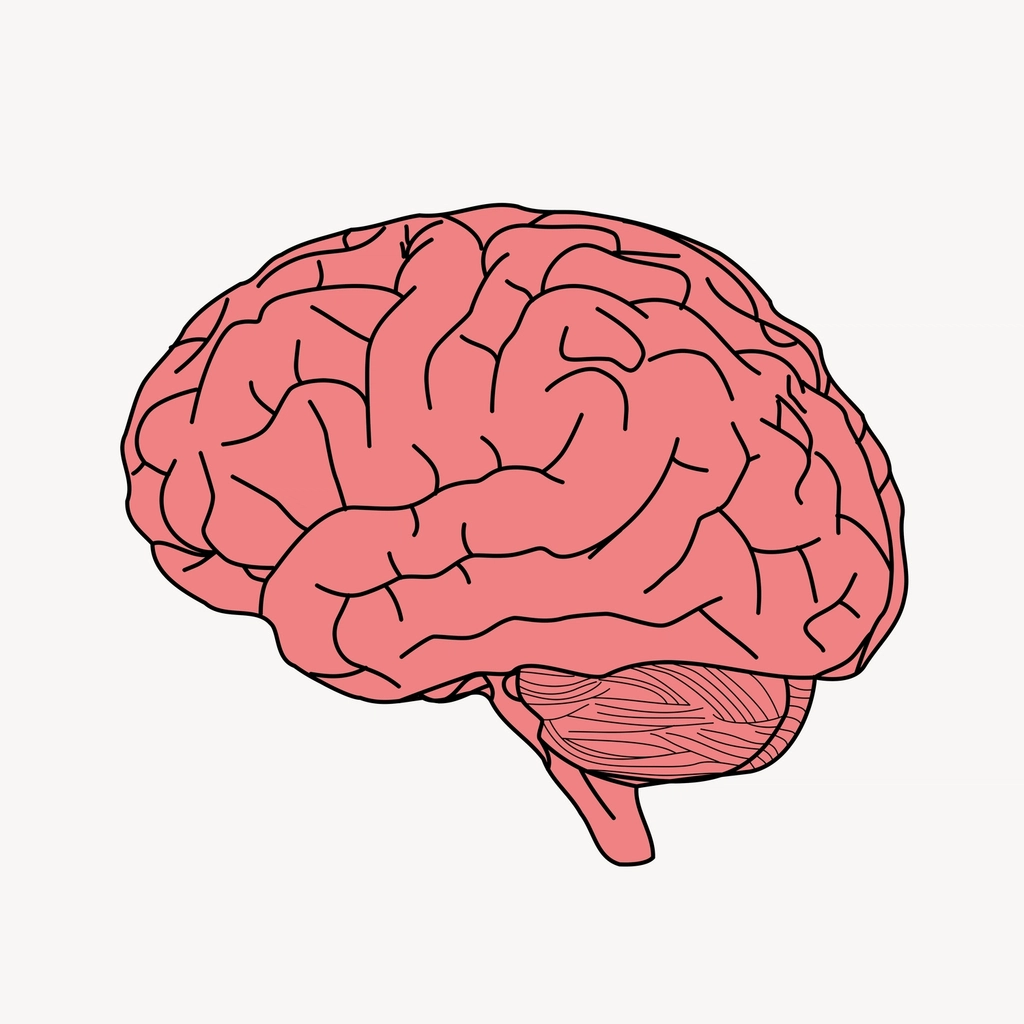
Marijuana, also known as cannabis, contains active compounds called cannabinoids. The most well-known of these is tetrahydrocannabinol, or THC, which is responsible for the psychoactive effects that users experience. When marijuana is consumed, THC interacts with the brain’s endocannabinoid system, a complex network involved in regulating mood, memory, appetite, and stress response.
This interaction produces the feelings of relaxation, euphoria, and altered perception that many users seek. However, repeated exposure to THC can begin to change how the brain functions. Over time, the brain adapts by reducing its own natural cannabinoid production and altering receptor sensitivity. These changes can contribute to dependence, making it harder for individuals to feel normal without the substance.
The idea that marijuana is not addictive often stems from comparisons to substances like opioids or alcohol, which have more severe withdrawal symptoms. While cannabis may not produce the same level of physical dependency, it can still create significant psychological and behavioral dependence.
Is Marijuana Addictive? The Clinical Answer
The direct answer to the question “is Marijuana Addictive” is yes, marijuana can be addictive. The condition associated with problematic cannabis use is known as Cannabis Use Disorder. According to clinical data, approximately nine percent of individuals who use marijuana will develop an addiction. That number increases to around seventeen percent for those who begin using during adolescence, and even higher for daily or heavy users.
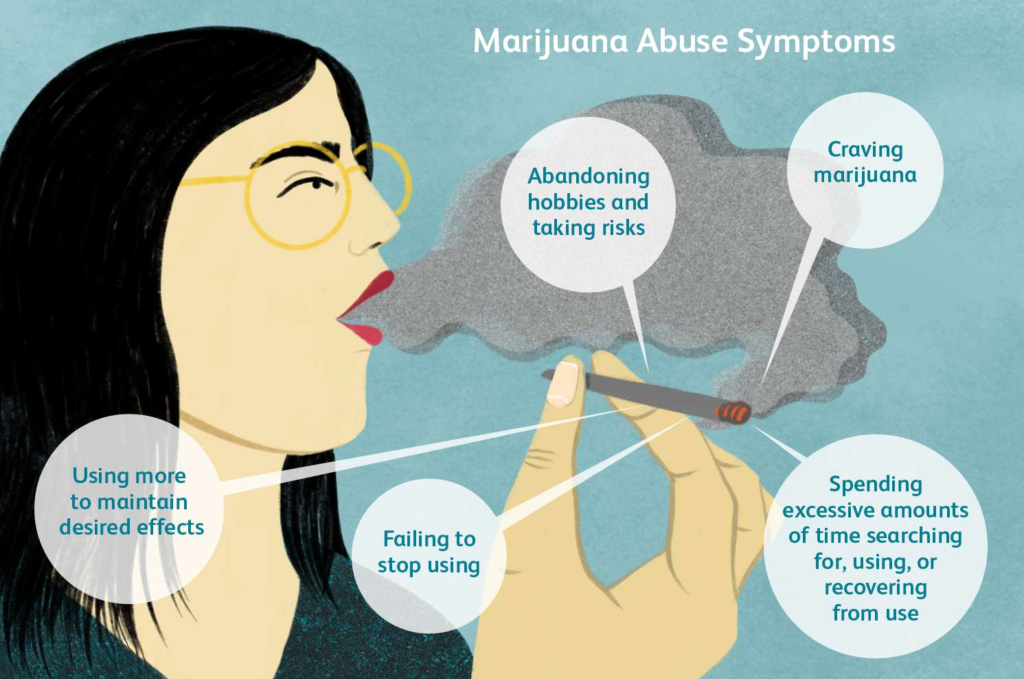
Cannabis Use Disorder is characterized by a pattern of use that leads to significant impairment or distress. This can include difficulty controlling use, continued use despite negative consequences, and spending excessive time obtaining or using marijuana. At TRUE Addiction and Behavioral Health, we see firsthand how individuals can become trapped in cycles of use that interfere with their goals, relationships, and overall well-being.
The addictive potential of marijuana is influenced by several factors, including frequency of use, potency of the product, genetic predisposition, and underlying mental health conditions. Modern cannabis products often contain significantly higher levels of THC than those available in previous decades, increasing the likelihood of dependency.
Psychological Dependence and Behavioral Patterns
One of the most important aspects of answering “is Marijuana Addictive” lies in understanding psychological dependence. Unlike substances that produce intense physical withdrawal, marijuana addiction often develops through habitual use and emotional reliance.
Individuals may begin using marijuana to cope with stress, anxiety, depression, or boredom. Over time, the brain starts to associate cannabis use with relief, reinforcing the behavior. This can lead to a cycle where individuals feel unable to manage their emotions or daily responsibilities without using marijuana.
Behavioral patterns also play a significant role. Regular use can become integrated into daily routines, such as using marijuana to relax after work, to fall asleep, or to socialize. As these patterns become ingrained, stopping use can feel disruptive and uncomfortable, even if the individual recognizes negative consequences.
At TRUE Addiction and Behavioral Health, we often work with individuals who did not initially view their marijuana use as problematic. However, as their reliance on the substance increased, they began to experience difficulties in maintaining focus, motivation, and emotional stability.
Signs and Symptoms of Marijuana Addiction
Recognizing the signs of cannabis addiction is essential for early intervention. While the symptoms may be less dramatic than those associated with other substances, they can still have a profound impact on a person’s life.
Common indicators include using more marijuana than intended, unsuccessful attempts to cut down or quit, and spending a significant amount of time thinking about or using the substance. Individuals may also continue using marijuana despite experiencing problems at work, school, or in relationships.
Another key sign is the development of tolerance, where increasing amounts of marijuana are needed to achieve the same effects. This is often accompanied by withdrawal symptoms when use is reduced or stopped. These symptoms can include irritability, anxiety, sleep disturbances, decreased appetite, and mood changes.
Over time, marijuana addiction can lead to decreased motivation and engagement in activities that were once meaningful. This phenomenon, sometimes referred to as amotivational syndrome, can affect career progression, academic performance, and personal growth.
Withdrawal and the Reality of Cannabis Dependence
A critical component in addressing “is Marijuana Addictive” is understanding withdrawal. While marijuana withdrawal is generally not life-threatening, it can be uncomfortable enough to make quitting difficult.
When individuals who have been using marijuana regularly attempt to stop, they may experience a range of symptoms. These can include restlessness, irritability, insomnia, vivid dreams, and cravings for the substance. Physical symptoms such as headaches, sweating, and gastrointestinal discomfort may also occur.
These withdrawal symptoms typically begin within a few days of stopping use and can last for one to two weeks, although some psychological effects may persist longer. The discomfort associated with withdrawal often leads individuals to resume use, reinforcing the cycle of dependence.
At TRUE Addiction and Behavioral Health, we provide structured support to help individuals navigate withdrawal and develop strategies for maintaining long-term recovery.
The Role of THC Potency in Addiction Risk
The cannabis landscape has changed significantly in recent years, particularly with the rise of high-potency products. Concentrates, edibles, and vape cartridges can contain much higher levels of THC than traditional marijuana flower.
Higher THC concentrations increase the intensity of the drug’s effects, which can enhance its addictive potential. Individuals who use high-potency products are more likely to develop tolerance and dependence, as well as experience negative psychological effects such as anxiety, paranoia, and mood instability.
This shift in potency is a key factor in the growing recognition that marijuana addiction is a legitimate clinical concern. As products become stronger and more accessible, the risk of Cannabis Use Disorder continues to rise.
Marijuana and Co-Occurring Mental Health Conditions

Another important consideration in answering “is Marijuana Addictive” is the relationship between cannabis use and mental health. Many individuals use marijuana as a form of self-medication for conditions such as anxiety, depression, or trauma-related disorders.
While marijuana may provide temporary relief, it can also exacerbate underlying mental health issues over time. Regular use can interfere with the brain’s natural ability to regulate mood and stress, leading to increased symptoms when not using the substance.
Co-occurring disorders can make addiction more complex and challenging to treat. At TRUE Addiction and Behavioral Health, we take an integrated approach that addresses both substance use and mental health simultaneously. This comprehensive model is essential for achieving sustainable recovery.
Social and Functional Impacts of Marijuana Addiction
Marijuana addiction can affect multiple areas of a person’s life, often in subtle but significant ways. Individuals may experience decreased productivity, difficulty maintaining responsibilities, and strained relationships.
Socially, marijuana use can lead to isolation, particularly if an individual begins to prioritize substance use over meaningful interactions. This can create a cycle where loneliness and emotional distress further reinforce the desire to use marijuana.
Functionally, addiction can interfere with decision-making, memory, and concentration. These cognitive effects can impact performance at work or school, making it harder to achieve personal and professional goals.
At TRUE Addiction and Behavioral Health, we emphasize the importance of restoring balance and functionality in all areas of life, not just eliminating substance use.
Treatment Options for Marijuana Addiction
For individuals struggling with cannabis dependence, effective treatment options are available. The first step is recognizing the problem and seeking support. At TRUE Addiction and Behavioral Health, we offer a range of programs designed to meet individuals where they are in their recovery journey.
Treatment may include outpatient services such as Intensive Outpatient Programs and Partial Hospitalization Programs, as well as residential care for those who require a more structured environment. These programs provide clinical support, therapy, and skill-building to help individuals develop healthier coping mechanisms.
Therapeutic approaches often include cognitive behavioral therapy, which helps individuals identify and change thought patterns and behaviors associated with substance use. Motivational interviewing and trauma-informed care are also commonly used to address the underlying factors contributing to addiction.
Recovery is not just about stopping marijuana use, but about building a sustainable and fulfilling life without reliance on substances.
Prevention and Early Intervention
Understanding “is Marijuana Addictive” also highlights the importance of prevention and early intervention. Educating individuals about the risks associated with cannabis use can help them make informed choices and recognize warning signs early.
For adolescents and young adults, prevention is particularly critical. Early exposure to marijuana can have lasting effects on brain development and significantly increase the risk of addiction. Families, schools, and communities all play a role in promoting awareness and supporting healthy behaviors.
Early intervention can prevent the progression of problematic use into full addiction. Seeking help at the first signs of difficulty can make recovery more manageable and reduce long-term consequences.
Long-Term Recovery and Life After Marijuana Addiction
Recovery from marijuana addiction is entirely possible, and many individuals go on to lead fulfilling, substance-free lives. The process involves not only stopping use but also addressing the underlying reasons for substance reliance and developing new coping strategies.
At TRUE Addiction and Behavioral Health, we focus on long-term success by providing ongoing support and resources. This may include continued therapy, support groups, and relapse prevention planning. Building a strong support network is a key component of sustained recovery.
Life after marijuana addiction often brings improved mental clarity, increased motivation, and stronger relationships. Individuals frequently rediscover interests and goals that were overshadowed by substance use, leading to a renewed sense of purpose and direction.
Final Thoughts: Is Marijuana Addictive?
So, is Marijuana Addictive? The evidence clearly shows that it can be. While not everyone who uses marijuana will develop an addiction, a significant number of individuals do experience Cannabis Use Disorder, particularly with frequent or high-potency use.
Understanding the risks, recognizing the signs, and seeking support when needed are essential steps in addressing marijuana addiction. At TRUE Addiction and Behavioral Health, we are committed to helping individuals navigate these challenges and achieve lasting recovery.
If you or someone you care about is struggling with marijuana use, know that help is available. Taking the first step toward understanding and addressing the issue can lead to meaningful change and a healthier, more balanced life.
Frequently Asked Questions About Is Marijuana Addictive?
Is marijuana addictive for everyone who uses it?
Not everyone who uses marijuana will develop an addiction, but a significant percentage do. Research shows that about nine percent of users develop Cannabis Use Disorder, with higher rates among adolescents and daily users. Factors such as frequency of use, genetics, and mental health play a major role in determining risk.
What is Cannabis Use Disorder?
Cannabis Use Disorder is the clinical diagnosis used when marijuana use leads to significant impairment or distress. It includes symptoms such as inability to control use, cravings, continued use despite negative consequences, and withdrawal symptoms when stopping. It is the formal medical answer to the question “is Marijuana Addictive.”
How can I tell if I am addicted to marijuana?
Signs include using more than intended, failed attempts to quit, strong cravings, neglecting responsibilities, and continuing use despite problems in relationships or work. If marijuana feels necessary to cope with daily life, it may indicate dependency.
Does marijuana cause physical dependence?
Marijuana can cause physical dependence, although it is typically less severe than substances like opioids or alcohol. Regular users may experience withdrawal symptoms such as irritability, sleep problems, anxiety, and appetite changes when they stop using.
What are marijuana withdrawal symptoms?
Common withdrawal symptoms include mood swings, irritability, insomnia, decreased appetite, restlessness, and cravings. Some individuals also experience headaches or mild physical discomfort. These symptoms can make quitting challenging without support.
Is marijuana more addictive today than in the past?
Yes, modern marijuana products often contain much higher levels of THC than in previous decades. Higher potency increases the likelihood of tolerance, dependence, and addiction, making today’s cannabis potentially more addictive.
Can marijuana be psychologically addictive?
Absolutely. Psychological dependence is one of the primary ways marijuana addiction develops. Many individuals rely on cannabis to manage stress, anxiety, or emotional discomfort, which reinforces continued use over time.
Is marijuana addictive for teenagers?
Teenagers are at a much higher risk of developing addiction. Early use can affect brain development and significantly increase the likelihood of long-term dependence. This makes prevention and early intervention especially important.
Can marijuana worsen mental health conditions?
Yes, while some people use marijuana to cope with anxiety or depression, it can actually worsen these conditions over time. Regular use may increase anxiety, contribute to depressive symptoms, and interfere with emotional regulation.
What treatment options are available for marijuana addiction?

Treatment options include outpatient programs such as Intensive Outpatient Programs and Partial Hospitalization Programs, as well as residential treatment when needed. Therapy, including cognitive behavioral therapy and motivational interviewing, is commonly used to help individuals change patterns of use.
Can you recover from marijuana addiction?
Yes, recovery is absolutely possible. With the right support, individuals can stop using marijuana, rebuild healthy habits, and improve their mental and emotional well-being. Many people go on to live productive, fulfilling lives in recovery.
When should someone seek help for marijuana use?
Help should be considered when marijuana use begins to interfere with daily life, relationships, work, or mental health. Early intervention can prevent more serious addiction and make recovery easier.
How does TRUE Addiction and Behavioral Health help with marijuana addiction?

TRUE Addiction and Behavioral Health provides comprehensive, individualized care that addresses both substance use and underlying mental health conditions. Through structured programs, therapy, and ongoing support, individuals are guided toward long-term recovery and stability.
Additional Resources/ Sources
National Institute on Drug Abuse (NIDA). Marijuana Research Report: Is Marijuana Addictive?
https://nida.nih.gov/publications/research-reports/marijuana/marijuana-addictive
Substance Abuse and Mental Health Services Administration (SAMHSA). Key Substance Use and Mental Health Indicators in the United States
https://www.samhsa.gov/data
American Psychiatric Association. Diagnostic and Statistical Manual of Mental Disorders (DSM-5-TR)
Centers for Disease Control and Prevention (CDC). Cannabis and Public Health
https://www.cdc.gov/cannabis
National Institutes of Health (NIH). Cannabis (Marijuana) and Cannabinoids: What You Need To Know
https://www.nccih.nih.gov/health/cannabis-marijuana-and-cannabinoids
Volkow, N.D., et al. Adverse Health Effects of Marijuana Use. New England Journal of Medicine, 2014.
Hasin, D.S., et al. Prevalence of Marijuana Use Disorders in the United States Between 2001–2002 and 2012–2013. JAMA Psychiatry, 2015.
Budney, A.J., et al. Cannabis Withdrawal Syndrome: Current Insights. Substance Abuse and Rehabilitation, 2015.
National Academies of Sciences, Engineering, and Medicine. The Health Effects of Cannabis and Cannabinoids
https://nap.nationalacademies.org/catalog/24625
Mayo Clinic. Marijuana (Cannabis): Effects, Risks, and Addiction
https://www.mayoclinic.org
Cleveland Clinic. Marijuana (Weed): Effects, Addiction, and Treatment
https://my.clevelandclinic.org
World Health Organization (WHO). Cannabis and Health
https://www.who.int
Harvard Health Publishing. Marijuana and the Brain: Is It Addictive?
https://www.health.harvard.edu
Journal of Addiction Medicine. Cannabis Use Disorder: Epidemiology and Treatment