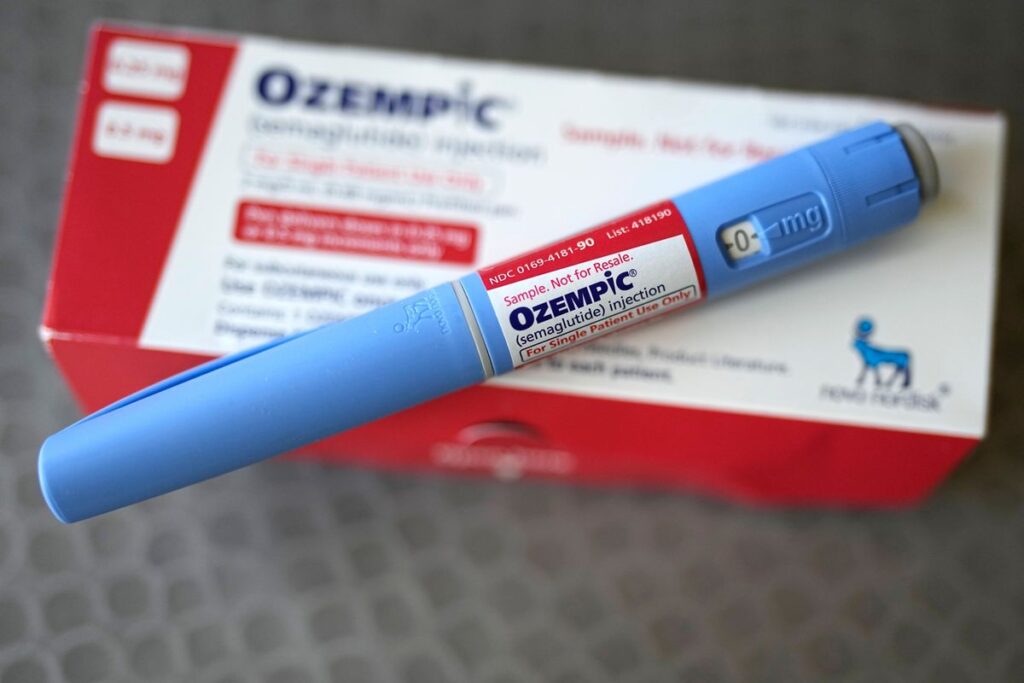
Addiction is a complex medical condition that affects millions of people across the United States. Substance use disorders impact not only physical health but also emotional wellbeing, relationships, employment, and long-term stability. As the science of addiction continues to evolve, researchers are exploring new biological pathways that could improve treatment outcomes. One of the most exciting developments in recent years involves medications known as GLP-1 receptor agonists.
Originally developed to treat type 2 diabetes and later approved for weight management, GLP-1 medications have begun attracting attention for a very different reason. Emerging research suggests these medications may influence the brain’s reward system in ways that reduce cravings for addictive substances. Early findings indicate that GLP-1 therapies could potentially play a role in treating alcohol use disorder, opioid addiction, nicotine dependence, and other substance use disorders.
For treatment centers such as TRUE Addiction and Behavioral Health, these discoveries are important because they represent a potential new tool in the fight against addiction. While GLP-1 medications are not a standalone cure for substance use disorders, they may complement traditional therapies by addressing the neurological mechanisms that drive compulsive behavior.
Understanding GLP-1 and How It Works
GLP-1 stands for glucagon-like peptide-1, a hormone that occurs naturally in the body. It is produced in the gut and plays a key role in regulating blood sugar levels, insulin production, and appetite. When food is consumed, GLP-1 is released and signals the pancreas to produce insulin while also slowing gastric emptying and increasing feelings of fullness.
Pharmaceutical companies developed GLP-1 receptor agonists to mimic the effects of this hormone. These medications activate GLP-1 receptors throughout the body, helping people control blood sugar levels and reduce appetite. Drugs such as semaglutide, liraglutide, and others have become widely used in the treatment of diabetes and obesity.
What researchers later discovered is that GLP-1 receptors are also present in several regions of the brain associated with reward, impulse control, and motivation. These areas include the nucleus accumbens and the ventral tegmental area, both of which are central to the neurological processes involved in addiction.
By interacting with these brain regions, GLP-1 medications may reduce the intensity of reward signals associated with substances such as alcohol, opioids, nicotine, and stimulants. This could make cravings less overwhelming and allow individuals to engage more effectively in recovery programs.

The Connection Between Addiction and the Brain’s Reward System
Addiction is not simply a matter of poor decision making or lack of willpower. It is a chronic brain disorder that alters the way the brain processes reward, stress, and impulse control. Substances such as alcohol, opioids, methamphetamine, and nicotine trigger the release of dopamine, a neurotransmitter associated with pleasure and reinforcement.
Over time, repeated substance use changes how the brain responds to dopamine. Natural rewards such as relationships, hobbies, or accomplishments become less satisfying, while drug use becomes increasingly prioritized. The brain begins to associate substance use with survival, making cravings intense and persistent.
Even after detox and early recovery, these neurological changes can remain for months or years. This is one reason relapse rates can be high, particularly when individuals encounter stress or environmental triggers.
Medications that influence the brain’s reward system can help stabilize these processes during recovery. GLP-1 receptor agonists appear to reduce dopamine signaling linked to addictive substances while preserving normal reward pathways for healthy behaviors.
This unique effect is why many addiction researchers believe GLP-1 medications could become an important component of medication-assisted treatment strategies.
Early Research on GLP-1 and Addiction
Although research in this area is still developing, early studies have produced promising results. Animal studies were the first to suggest that GLP-1 receptor activation could reduce addictive behavior. In laboratory experiments, rodents given GLP-1 medications showed decreased consumption of alcohol, cocaine, and nicotine.
These findings encouraged researchers to investigate whether similar effects could occur in humans.
Initial clinical observations suggest that people taking GLP-1 medications for diabetes or weight loss often report decreased interest in alcohol or other substances. Some individuals describe a significant reduction in cravings, while others report that the rewarding effects of alcohol feel diminished.
Several clinical trials are now underway to examine these effects more systematically. Early research indicates that GLP-1 therapies may reduce alcohol consumption and cravings in individuals with alcohol use disorder. Additional studies are exploring the potential benefits for opioid addiction, stimulant use disorder, and nicotine dependence.
While these studies are still ongoing, the results so far have generated considerable excitement among addiction specialists.
Why GLP-1 Medications May Help Reduce Cravings
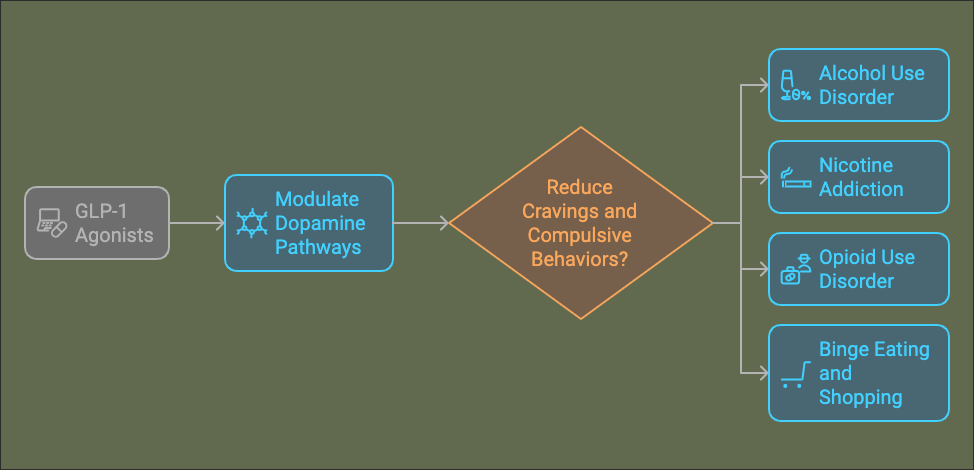
One of the most challenging aspects of addiction recovery is managing cravings. Even individuals who are highly motivated to stay sober can experience intense urges triggered by stress, environmental cues, or emotional distress.
GLP-1 receptor agonists appear to influence multiple biological systems that contribute to cravings.
First, these medications reduce dopamine activity in reward circuits associated with substance use. By lowering the intensity of these signals, the brain becomes less reactive to drug-related cues.
Second, GLP-1 medications affect appetite regulation and impulse control. Many researchers believe that overeating and substance addiction share similar neurological pathways. By stabilizing these pathways, GLP-1 therapies may help individuals regulate compulsive behaviors more effectively.
Third, GLP-1 medications influence stress responses in the brain. Stress is a major driver of relapse, and medications that reduce stress reactivity may help individuals maintain sobriety during challenging periods.
The combination of these effects could make GLP-1 therapies a powerful addition to addiction treatment programs.
Potential Benefits for Alcohol Use Disorder
Alcohol use disorder remains one of the most common substance use disorders in the United States. Despite the availability of medications such as naltrexone and acamprosate, many individuals struggle to maintain long-term sobriety.
GLP-1 medications may offer a new approach for addressing alcohol cravings.
Several studies suggest that GLP-1 receptor agonists can reduce alcohol intake by altering the brain’s reward response. Participants in early trials have reported decreased desire to drink and lower overall alcohol consumption.
Researchers believe this effect may occur because GLP-1 medications reduce dopamine release associated with alcohol consumption. As a result, drinking may feel less rewarding, making it easier for individuals to limit or avoid alcohol.
If ongoing clinical trials confirm these findings, GLP-1 medications could become an important tool in treating alcohol addiction.
Possible Applications for Opioid and Stimulant Addiction
Opioid addiction and stimulant use disorders represent some of the most dangerous forms of substance dependence. These conditions often involve intense cravings and high relapse risk.
Traditional medication-assisted treatments such as buprenorphine and methadone have been effective for opioid addiction, but additional treatment options are always valuable.
Researchers are now investigating whether GLP-1 medications could complement existing therapies.
Animal studies suggest that GLP-1 receptor activation reduces self-administration of opioids and stimulants. These findings indicate that the medication may reduce the reinforcing effects of these substances.
If similar results are confirmed in human trials, GLP-1 medications could help reduce cravings and improve treatment outcomes for individuals recovering from opioid or stimulant addiction.
Integrating GLP-1 Therapies Into Comprehensive Treatment
While the science surrounding GLP-1 and addiction is promising, it is important to recognize that medication alone cannot address all aspects of substance use disorder. Addiction involves psychological, social, and behavioral factors that require comprehensive care.
At TRUE Addiction and Behavioral Health, treatment focuses on a holistic approach that addresses the underlying causes of addiction while supporting long-term recovery.
Evidence-based therapies such as cognitive behavioral therapy, trauma-informed counseling, group therapy, and relapse prevention planning remain essential components of treatment. These approaches help individuals develop coping skills, rebuild relationships, and create meaningful lives in recovery.
Medications such as GLP-1 receptor agonists may eventually become an additional tool that supports these therapeutic efforts by reducing cravings and stabilizing brain chemistry.
The Importance of Continued Research
Although the potential of GLP-1 medications in addiction treatment is exciting, researchers emphasize that more studies are needed before these therapies become widely adopted for substance use disorders.
Large-scale clinical trials are currently underway to determine the safety, effectiveness, and appropriate dosing of GLP-1 medications for addiction treatment. Scientists are also exploring which substances respond best to these therapies and which patients may benefit most.
Another important area of research involves understanding how GLP-1 medications interact with existing treatments such as naltrexone, buprenorphine, and behavioral therapy.
The answers to these questions will help clinicians determine how to integrate GLP-1 therapies into comprehensive addiction treatment programs.
A New Frontier in Addiction Medicine
Addiction medicine has advanced significantly over the past several decades. Researchers now understand that substance use disorders are complex medical conditions involving changes in brain structure and function.
Innovative treatments that target these biological mechanisms are helping transform the way addiction is treated.
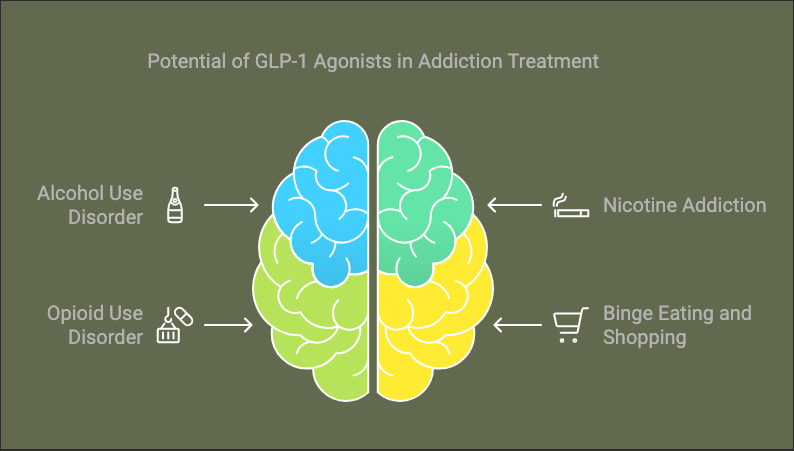
GLP-1 receptor agonists represent one of the most promising new areas of research in this field. By influencing the brain’s reward system, these medications may reduce cravings and help individuals maintain sobriety during recovery.
Although the research is still evolving, the early findings suggest that GLP-1 therapies could eventually become a valuable component of modern addiction treatment.
For individuals struggling with substance use disorders, continued innovation in addiction medicine offers hope for more effective and personalized treatment options.
At TRUE Addiction and Behavioral Health, staying informed about emerging treatments and scientific advancements is an important part of providing high-quality care. As research continues to explore the connection between GLP-1 medications and addiction recovery, treatment providers remain committed to integrating evidence-based strategies that support lasting recovery and improved quality of life.
Frequently Asked Questions About GLP-1 and Addiction Treatment
What is GLP-1?
GLP-1 stands for glucagon-like peptide-1, a hormone naturally produced in the body that helps regulate blood sugar, appetite, and digestion. GLP-1 receptor agonist medications mimic this hormone and are commonly used to treat type 2 diabetes and obesity. Researchers are now studying whether these medications may also help reduce cravings associated with substance use disorders.
How could GLP-1 help treat addiction?
GLP-1 medications appear to affect areas of the brain that control reward, impulse control, and cravings. These same brain regions are heavily involved in addiction. By influencing dopamine signaling and reward pathways, GLP-1 medications may reduce the reinforcing effects of substances such as alcohol, opioids, and nicotine, potentially making cravings less intense.
Are GLP-1 medications currently approved for addiction treatment?
At this time, GLP-1 medications are not officially approved by the FDA to treat addiction. They are approved for conditions such as type 2 diabetes and weight management. However, ongoing clinical research is exploring their potential role in treating substance use disorders, and early findings are promising.
What types of addiction might GLP-1 medications help treat?
Researchers are currently studying GLP-1 medications for several substance use disorders. These include alcohol use disorder, opioid addiction, nicotine dependence, and stimulant use disorders such as cocaine or methamphetamine addiction. More research is needed to determine how effective these medications may be for each type of addiction.
Do GLP-1 medications eliminate cravings completely?
GLP-1 medications are not expected to completely eliminate cravings. Instead, they may reduce the intensity of cravings and the reward response associated with substance use. This reduction may help individuals focus more effectively on therapy, recovery skills, and long-term behavioral change.
Can GLP-1 medications replace therapy or addiction treatment programs?
No. Addiction is a complex condition that involves psychological, social, and behavioral factors. Medication alone is rarely enough for lasting recovery. Comprehensive treatment programs that include therapy, counseling, relapse prevention planning, and peer support remain essential components of recovery.
Are GLP-1 medications safe?
GLP-1 medications have been widely studied and are generally considered safe when prescribed by a medical professional. Common side effects may include nausea, digestive discomfort, and decreased appetite. As research continues into their use for addiction treatment, doctors will carefully evaluate safety and effectiveness for this specific purpose.
How are GLP-1 medications typically administered?
Most GLP-1 medications are administered through a weekly or daily injection, although some oral versions are available. The dosing schedule and method of administration depend on the specific medication prescribed and the individual’s medical needs.
Who may benefit from GLP-1 therapies in addiction recovery?
Individuals who experience strong cravings or who struggle with impulse control related to substance use may potentially benefit from treatments that influence the brain’s reward system. Future research will help determine which patients are most likely to respond well to GLP-1 therapies as part of a comprehensive addiction treatment plan.
Can GLP-1 medications be combined with other addiction treatments?
Researchers believe GLP-1 therapies may eventually be used alongside existing treatments such as medication-assisted treatment, behavioral therapy, and counseling. Combining medications that stabilize brain chemistry with evidence-based therapy may improve recovery outcomes for some individuals.
How can someone seek help for addiction?
If you or someone you care about is struggling with addiction, professional treatment can provide the support and medical care needed to begin recovery. TRUE Addiction and Behavioral Health offers comprehensive treatment programs designed to address the physical, emotional, and psychological aspects of substance use disorders. Seeking help from qualified professionals is an important step toward lasting recovery.
Additional Resources
GLP-1s like Ozempic transformed weight loss and diabetes. Is addiction next? : NPR
GLP-1s like Ozempic transformed weight loss and diabetes. Is addiction next? : NPR