
The war on drugs has shaped public policy, healthcare systems, and communities across the United States for more than five decades. Originally framed as a national effort to reduce drug use and protect public safety, the war on drugs has evolved into a complex and controversial campaign with far-reaching consequences. For organizations like TRUE Addiction and Behavioral Health, understanding the history and impact of the war on drugs is essential to advancing more effective, compassionate approaches to addiction treatment and recovery.
The Origins of the War on Drugs
The term “war on drugs” was popularized in 1971 when President Richard Nixon declared drug abuse “public enemy number one.” This declaration marked the beginning of a coordinated federal effort to combat illegal drug use through law enforcement, criminal penalties, and prevention initiatives. While substance use had been a concern long before this period, the war on drugs formalized a national strategy that prioritized prohibition and punishment.
During the early years, federal funding increased for drug control agencies, and new policies were introduced to restrict drug availability. The Controlled Substances Act categorized drugs into schedules based on their perceived medical value and potential for abuse. At the same time, law enforcement agencies were granted expanded authority to investigate and prosecute drug-related offenses.
Although some prevention and treatment programs were included, the war on drugs largely focused on reducing supply through criminal justice measures rather than addressing the underlying causes of addiction.
Escalation in the 1980s and 1990s
The war on drugs intensified significantly during the 1980s under the Reagan administration. Policies became more punitive, and mandatory minimum sentencing laws were introduced for drug offenses. These laws often resulted in lengthy prison sentences, even for nonviolent drug-related crimes.
The Anti-Drug Abuse Acts of 1986 and 1988 established strict penalties and created a significant disparity between sentences for crack cocaine and powder cocaine offenses. This disparity disproportionately affected marginalized communities and contributed to widespread concerns about racial inequities in the criminal justice system.
During this period, public messaging campaigns such as “Just Say No” emphasized abstinence and personal responsibility. While these campaigns raised awareness, they did little to address the complex social, psychological, and biological factors that contribute to substance use disorders.
The war on drugs also expanded internationally, with the United States supporting efforts to eradicate drug production in countries such as Colombia and Mexico. These efforts often led to unintended consequences, including increased violence and instability in affected regions.
The Impact on Incarceration and Communities

One of the most significant outcomes of the war on drugs has been the dramatic increase in incarceration rates. Millions of individuals have been arrested and imprisoned for drug-related offenses, many of them for possession rather than trafficking or violent crimes.
This surge in incarceration has had lasting effects on families and communities. Individuals with criminal records often face barriers to employment, housing, and education, making it more difficult to rebuild their lives after release. These challenges can contribute to cycles of poverty and relapse.
Communities of color have been disproportionately affected by the war on drugs. Studies have consistently shown that while drug use rates are similar across racial groups, enforcement efforts have targeted certain populations more heavily. This has led to significant disparities in arrests, sentencing, and incarceration.
The war on drugs has also strained public resources. Billions of dollars have been spent on law enforcement and incarceration, often at the expense of funding for treatment and prevention programs. As a result, many individuals struggling with addiction have not received the care they need.
Addiction as a Public Health Issue
Over time, there has been a growing recognition that addiction is a chronic medical condition rather than a moral failing or criminal behavior. Advances in neuroscience have shown that substance use disorders affect brain function, decision-making, and impulse control.
This shift in understanding has led to increased advocacy for treating addiction as a public health issue. Healthcare providers, researchers, and organizations like TRUE Addiction and Behavioral Health emphasize evidence-based treatment approaches, including therapy, medication-assisted treatment, and holistic care.
Despite this progress, the legacy of the war on drugs continues to influence policy and public perception. Stigma remains a significant barrier to seeking help, and many individuals fear legal consequences or social judgment if they disclose their struggles with substance use.
The Opioid Crisis and Changing Perspectives
The opioid epidemic has played a major role in reshaping the conversation around the war on drugs. As opioid-related overdoses increased across the United States, policymakers began to recognize the limitations of punitive approaches.
Unlike earlier drug crises, the opioid epidemic has affected a broader demographic, including suburban and rural communities. This shift has prompted greater empathy and a renewed focus on treatment and harm reduction strategies.
Efforts such as expanding access to naloxone, implementing prescription monitoring programs, and increasing funding for treatment services have become more common. These initiatives reflect a growing understanding that saving lives requires more than enforcement alone.
The opioid crisis has also highlighted the importance of addressing underlying factors such as mental health conditions, trauma, and socioeconomic challenges. Comprehensive care models that integrate behavioral health services are now considered essential for effective treatment.
Harm Reduction and Evidence-Based Approaches
In recent years, harm reduction has emerged as a key component of modern drug policy. Harm reduction strategies aim to minimize the negative consequences of drug use without necessarily requiring immediate abstinence.
Examples include syringe exchange programs, supervised consumption sites, and medication-assisted treatment. These approaches have been shown to reduce overdose deaths, prevent the spread of infectious diseases, and connect individuals to treatment services.
While harm reduction remains controversial in some areas, it represents a significant departure from the traditional war on drugs framework. Instead of focusing solely on punishment, these strategies prioritize health, safety, and human dignity.
For organizations like TRUE Addiction and Behavioral Health, integrating harm reduction with comprehensive treatment services allows for a more individualized and compassionate approach to care.
The Role of Mental Health in Substance Use
A critical aspect often overlooked during the war on drugs is the connection between mental health and substance use. Many individuals struggling with addiction also experience conditions such as depression, anxiety, PTSD, or bipolar disorder.
The lack of integrated care has historically led to fragmented treatment, where mental health and substance use are addressed separately. This approach can limit effectiveness and increase the risk of relapse.
Modern behavioral health models emphasize dual diagnosis treatment, where both conditions are treated simultaneously. By addressing the root causes of substance use, individuals are better equipped to achieve long-term recovery.
TRUE Addiction and Behavioral Health prioritizes this integrated approach, recognizing that sustainable recovery requires more than addressing symptoms alone.
Economic and Social Costs of the War on Drugs
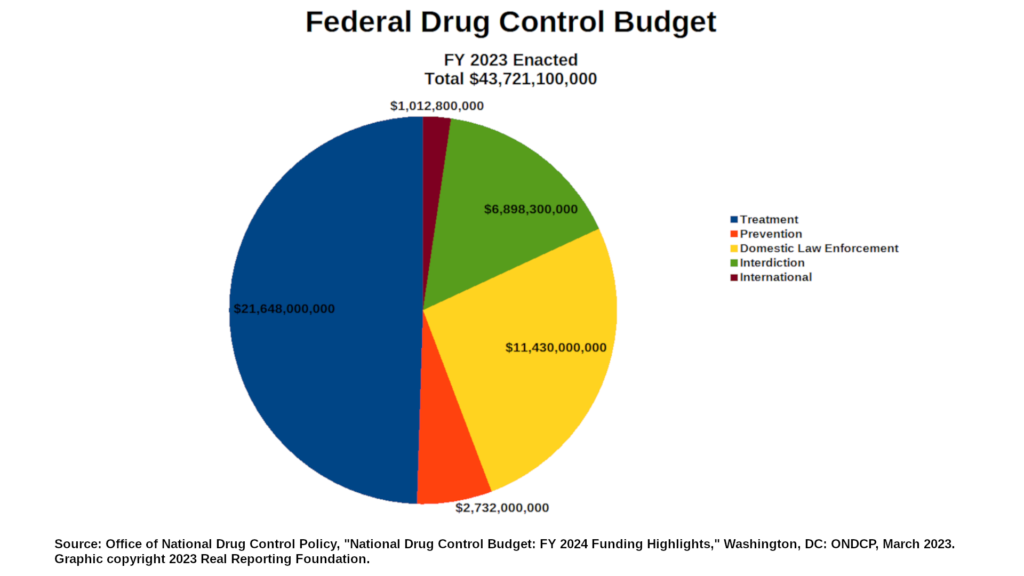
The financial cost of the war on drugs is staggering. Federal, state, and local governments have spent hundreds of billions of dollars on enforcement, incarceration, and interdiction efforts.
However, the social costs are equally significant. Families have been separated, communities destabilized, and opportunities lost due to criminal records and systemic inequities.
Employers often hesitate to hire individuals with drug-related convictions, and access to housing can be limited. These barriers can perpetuate cycles of disadvantage and hinder recovery efforts.
Investing in treatment and prevention has been shown to yield better outcomes and lower long-term costs. Every dollar spent on addiction treatment can result in significant savings in healthcare, criminal justice, and social services.
Policy Reforms and the Future of Drug Policy
In recent years, there has been a growing movement toward reforming drug policies shaped by the war on drugs. Some states have decriminalized or legalized certain substances, particularly cannabis, and have begun to expunge past convictions.
Drug courts and diversion programs offer alternatives to incarceration, allowing individuals to receive treatment instead of serving jail time. These programs have demonstrated success in reducing recidivism and supporting recovery.
There is also increasing support for expanding access to treatment, improving mental health services, and addressing social determinants of health. Policymakers are recognizing that long-term solutions require a comprehensive approach that goes beyond enforcement.
The future of drug policy will likely continue to evolve as new research and perspectives emerge. Balancing public safety with public health remains a central challenge.
The Role of Treatment Centers in a Post–War on Drugs Era
As the limitations of the war on drugs become more apparent, treatment centers play a critical role in shaping a more effective response to addiction. Facilities like TRUE Addiction and Behavioral Health are at the forefront of this transformation.
By offering evidence-based therapies, personalized care plans, and supportive environments, treatment centers provide individuals with the tools they need to recover and rebuild their lives. Services may include detoxification, residential treatment, partial hospitalization programs, and outpatient care.
Education and outreach are also essential components. By raising awareness and reducing stigma, treatment providers can encourage more individuals to seek help and engage in recovery.
Collaboration with healthcare providers, community organizations, and policymakers further enhances the impact of treatment services.
Addressing Stigma and Changing Public Perception
One of the most enduring challenges of the war on drugs is the stigma associated with addiction. For decades, individuals struggling with substance use have been portrayed as criminals rather than people in need of care.
Changing this narrative is essential for improving access to treatment and supporting recovery. Public education campaigns, personal stories, and community engagement can help shift perceptions and promote understanding.
Language also plays a role. Using terms like “substance use disorder” instead of stigmatizing labels emphasizes the medical nature of addiction.
TRUE Addiction and Behavioral Health is committed to fostering a culture of compassion and respect, where individuals feel supported rather than judged.
A Path Forward: Compassion, Science, and Recovery

The war on drugs has left a complex legacy that continues to influence addiction policy and treatment today. While its original goal was to reduce drug use and protect society, its emphasis on punishment has often overshadowed the need for care and understanding.
Moving forward, a more balanced approach is needed—one that integrates public health, evidence-based treatment, and harm reduction strategies. By addressing the root causes of addiction and supporting individuals in their recovery journeys, it is possible to create healthier communities and more effective systems of care.
TRUE Addiction and Behavioral Health stands as a leader in this evolving landscape, offering comprehensive services that reflect the latest advancements in addiction science. Through compassionate care, innovative treatment, and a commitment to lasting recovery, the organization is helping redefine what it means to address substance use in a post–war on drugs era.
Understanding the war on drugs is not just about examining the past; it is about shaping a better future—one where recovery is accessible, stigma is reduced, and individuals are empowered to reclaim their lives.
What is the war on drugs?
The war on drugs refers to a long-standing government-led effort in the United States aimed at reducing illegal drug use through law enforcement, criminal penalties, and prevention strategies. It began in the 1970s and has significantly influenced drug policy, incarceration rates, and public perception of addiction.
When did the war on drugs begin?
The war on drugs officially began in 1971 when President Richard Nixon declared drug abuse a national emergency. This led to increased federal funding for drug enforcement agencies and the implementation of stricter drug control policies across the country.
What was the main goal of the war on drugs?
The primary goal of the war on drugs was to reduce drug use and drug-related crime by limiting the supply of illegal substances and deterring use through strict legal consequences. However, over time, critics argue that it focused too heavily on punishment rather than treatment.
Did the war on drugs reduce drug use?
The effectiveness of the war on drugs in reducing drug use is widely debated. While some enforcement efforts disrupted drug supply chains, overall drug use has persisted, and addiction rates have remained a significant public health concern.
How did the war on drugs impact incarceration rates?
The war on drugs led to a dramatic increase in incarceration rates in the United States. Many individuals were imprisoned for nonviolent drug offenses, contributing to overcrowded prisons and long-term social and economic consequences for affected individuals and families.
Who was most affected by the war on drugs?
Communities of color were disproportionately affected by the war on drugs. Despite similar rates of drug use across populations, enforcement practices and sentencing laws resulted in higher arrest and incarceration rates among marginalized groups.
Is addiction considered a crime or a medical condition today?
Today, addiction is widely recognized as a chronic medical condition rather than a moral failing or purely criminal issue. Advances in neuroscience and behavioral health have shifted the focus toward treatment, recovery, and long-term care.
What is harm reduction and how does it relate to the war on drugs?
Harm reduction is an approach that aims to minimize the negative consequences of drug use without requiring immediate abstinence. It includes strategies like naloxone distribution, syringe exchange programs, and medication-assisted treatment. Harm reduction represents a shift away from the punitive focus of the war on drugs.
How has the opioid crisis changed perspectives on drug policy?
The opioid crisis has played a major role in shifting public and political attitudes toward addiction. It has increased awareness of the need for treatment-focused approaches and led to expanded access to services like medication-assisted treatment and overdose prevention programs.
What are alternatives to the war on drugs?
Alternatives include decriminalization, diversion programs, drug courts, expanded access to treatment, and integrated behavioral health services. These approaches prioritize recovery and public health over punishment.
How does the war on drugs affect people seeking treatment?
The stigma and legal consequences associated with the war on drugs can discourage individuals from seeking help. Fear of judgment or arrest may prevent people from accessing treatment, even when they need it most.
What role do treatment centers like TRUE Addiction and Behavioral Health play today?
Treatment centers like TRUE Addiction and Behavioral Health provide evidence-based care, including detox, therapy, and ongoing support. They play a critical role in helping individuals recover while advancing a more compassionate, health-focused approach to addiction.
Can people recover despite the challenges created by the war on drugs?
Yes, recovery is absolutely possible. With the right support, treatment, and resources, individuals can overcome addiction and build meaningful, fulfilling lives. Modern treatment approaches focus on long-term success, not just short-term abstinence.
What is the future of the war on drugs?
The future is shifting toward a public health model that emphasizes treatment, prevention, and harm reduction. While elements of enforcement still exist, there is growing recognition that lasting change requires addressing the root causes of addiction and supporting recovery.
Additional Resources
https://en.wikipedia.org/wiki/War_on_drugs
Amid Trump threats, what has the US’s ‘war on drugs’ achieved in 50 years? | Drugs News | Al Jazeera
Verify Your Insurance Online
We are here to help. Contact us today and get the answers you need to start your journey to recovery!