
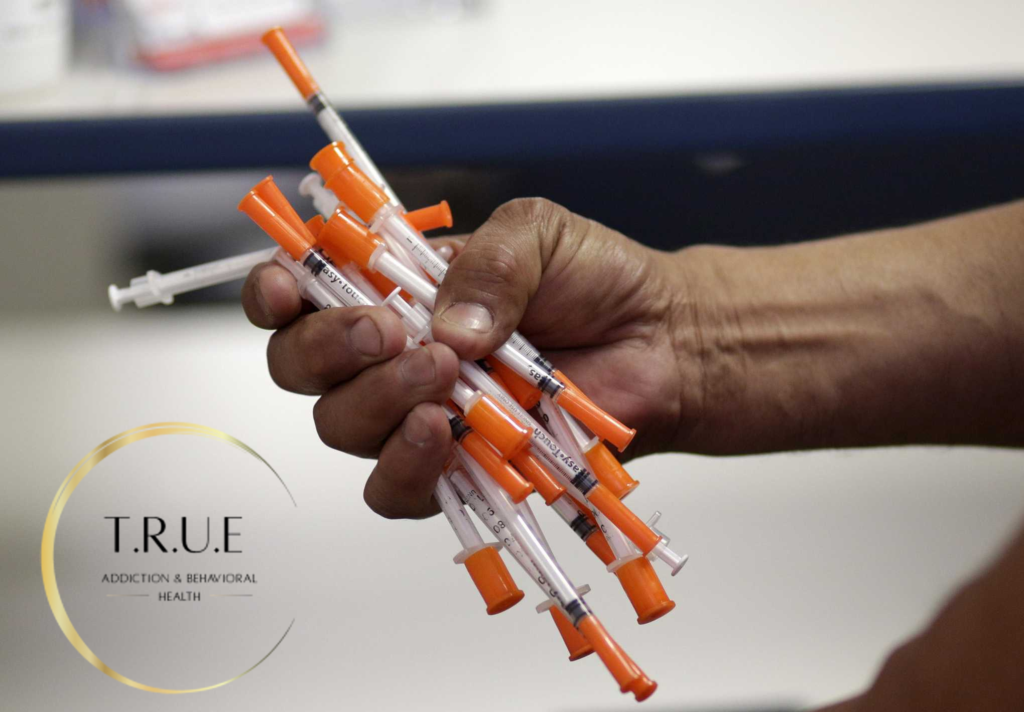
The opioid epidemic has left few communities untouched, and Tennessee has been among the states hit hardest by overdose deaths, infectious disease spread, and the long-term consequences of untreated substance use disorders. As policymakers, healthcare providers, and families search for solutions, one harm-reduction strategy continues to spark intense debate: Needle Exchanges. Supporters argue that Needle Exchanges save lives by reducing disease transmission and creating pathways to care, while critics worry they may enable continued drug use and delay recovery. Understanding whether Needle Exchanges are helping or hurting the opioid epidemic in Tennessee requires a careful look at data, lived experience, public health outcomes, and the realities of addiction treatment.
At TRUE Addiction & Behavioral Health, we believe meaningful progress comes from honest conversations rooted in science, compassion, and accountability. Needle Exchanges are neither a cure-all nor a moral failure. They are one component of a much larger system that must ultimately guide people toward recovery, stability, and long-term healing.
Understanding Needle Exchanges and Harm Reduction
Needle Exchanges, sometimes called syringe services programs, provide sterile syringes to people who inject drugs in exchange for used ones. Many programs also offer safe disposal, testing for HIV and hepatitis C, overdose prevention education, naloxone distribution, and referrals to treatment. The foundational philosophy behind Needle Exchanges is harm reduction, which focuses on reducing the negative consequences of drug use rather than demanding immediate abstinence as a prerequisite for care.
In Tennessee, Needle Exchanges were legalized at the county level in 2017, allowing local governments to decide whether to implement them. Since then, only a limited number of counties have approved programs, reflecting ongoing political and cultural resistance. This patchwork approach has resulted in uneven access across the state, particularly in rural areas where opioid misuse rates remain high and treatment resources are often scarce.
The Scope of the Opioid Epidemic in Tennessee
To understand the role of Needle Exchanges, it is essential to understand the magnitude of the opioid epidemic in Tennessee. The state has consistently ranked among the highest in opioid prescribing rates and overdose deaths. Synthetic opioids like fentanyl have accelerated fatalities, while heroin and prescription opioid misuse continue to impact both urban and rural communities.
Beyond overdose deaths, injection drug use has fueled outbreaks of hepatitis C and raised concerns about potential HIV outbreaks, particularly in underserved regions. These public health crises place enormous strain on hospitals, emergency responders, and families, often without addressing the underlying addiction driving the harm.
How Needle Exchanges Aim to Reduce Immediate Harm

One of the strongest arguments in favor of Needle Exchanges is their ability to reduce the spread of bloodborne diseases. Sharing or reusing needles significantly increases the risk of transmitting HIV and hepatitis C. By providing sterile equipment, Needle Exchanges directly reduce these risks, protecting not only individuals who use drugs but also the broader community.
Research from multiple states has shown that Needle Exchanges are associated with lower rates of HIV transmission without increasing drug use. In Tennessee, where hepatitis C rates have surged alongside opioid misuse, this disease-prevention aspect carries significant weight. Treating chronic infectious diseases is costly and complex, often burdening already overstretched healthcare systems.
Do Needle Exchanges Encourage Drug Use?
A common concern raised by critics is that Needle Exchanges may encourage or normalize continued drug use. This concern is understandable, especially for families watching loved ones struggle with addiction. However, decades of research have consistently shown that Needle Exchanges do not increase drug initiation, frequency of use, or relapse rates.
Addiction is not driven by access to sterile syringes. It is driven by neurobiological changes, trauma, mental health conditions, and environmental stressors. Removing Needle Exchanges does not eliminate drug use; it increases the likelihood of infection, overdose, and death among those who are already using.
Needle Exchanges as a Point of Contact With Healthcare
One of the most overlooked benefits of Needle Exchanges is their role as a point of engagement. Many individuals with opioid use disorder avoid traditional healthcare settings due to stigma, fear of legal consequences, or past negative experiences. Needle Exchanges often serve as the first and sometimes only consistent contact these individuals have with healthcare professionals.
In Tennessee, programs that integrate Needle Exchanges with referrals to detox, medication-assisted treatment, mental health services, and housing support show greater potential impact. When done correctly, Needle Exchanges can function as a bridge rather than a destination, guiding individuals toward recovery resources when they are ready to accept help.
The Risk of Needle Exchanges Without Treatment Pathways
While Needle Exchanges can reduce immediate harm, they are not a substitute for comprehensive addiction treatment. When programs operate without strong connections to treatment providers, they risk becoming isolated interventions that manage symptoms without addressing root causes.
At TRUE Addiction & Behavioral Health, we see firsthand that long-term recovery requires structured treatment, clinical oversight, trauma-informed care, and ongoing support. Needle Exchanges that are disconnected from treatment pathways may unintentionally prolong active addiction if individuals are not actively encouraged and supported in seeking help.
Legal and Community Challenges in Tennessee
Tennessee’s approach to Needle Exchanges reflects broader cultural tensions around addiction, personal responsibility, and public safety. Some counties have rejected programs due to concerns about crime, discarded needles, or perceived endorsement of drug use. Others lack the funding or infrastructure to implement programs effectively.
These challenges highlight the importance of community education and transparent program design. Needle Exchanges that include safe disposal, community cleanup efforts, and collaboration with law enforcement tend to face less opposition. When communities understand that Needle Exchanges aim to protect public health rather than condone drug use, resistance often decreases.
Overdose Prevention and Naloxone Distribution
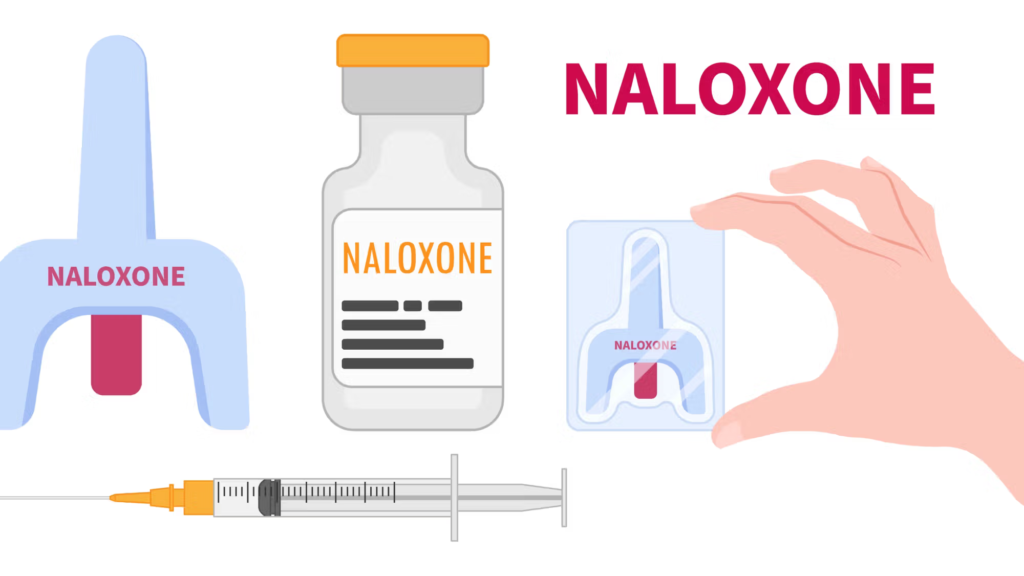
Another critical function of many Needle Exchanges is overdose prevention. Programs frequently distribute naloxone, a life-saving medication that reverses opioid overdoses. In a state where overdose deaths continue to rise, this aspect alone has saved countless lives.
Critics sometimes argue that naloxone enables risky behavior, but evidence consistently shows that access to naloxone does not increase drug use. Instead, it provides a second chance for individuals who may later seek treatment. From a clinical perspective, a person who survives an overdose has the opportunity to recover, while a person who dies does not.
Ethical Considerations and Moral Tensions
The debate around Needle Exchanges often extends beyond data into moral territory. Some believe that providing sterile syringes conflicts with abstinence-based values or sends the wrong message to youth. Others argue that allowing preventable disease and death is ethically indefensible.
At TRUE Addiction & Behavioral Health, we believe ethics must center on preserving life while working toward recovery. Needle Exchanges should never replace prevention education, early intervention, or treatment. However, refusing harm-reduction strategies does not eliminate addiction; it increases suffering.
Needle Exchanges and Recovery-Oriented Systems of Care
The most effective approach to the opioid epidemic is not harm reduction or abstinence alone, but integration. Needle Exchanges are most helpful when embedded within recovery-oriented systems of care that include detoxification, residential treatment, outpatient programs, mental health services, and long-term recovery support.
In Tennessee, expanding collaboration between Needle Exchanges and licensed treatment providers could significantly improve outcomes. When individuals can move seamlessly from harm-reduction services into treatment without bureaucratic or financial barriers, the likelihood of recovery increases.
The Role of Mental Health and Trauma
Substance use disorders rarely exist in isolation. Trauma, depression, anxiety, and untreated mental illness often drive opioid misuse. Needle Exchanges that fail to address mental health needs miss a crucial opportunity for intervention.
TRUE Addiction & Behavioral Health emphasizes integrated care that treats the whole person. While Needle Exchanges can open the door, comprehensive treatment must address psychological, emotional, and social factors to achieve lasting change.
Are Needle Exchanges Helping or Hurting in Tennessee?
So are Needle Exchanges helping or hurting the opioid epidemic in Tennessee? The answer depends less on their existence and more on how they are implemented. When Needle Exchanges operate in isolation, without accountability or treatment connections, their impact is limited. When they function as part of a broader public health and recovery framework, they help reduce deaths, prevent disease, and create opportunities for healing.
The real danger lies not in Needle Exchanges themselves, but in viewing them as a complete solution. Addiction is a chronic, complex condition that requires sustained, evidence-based care.
A Balanced Path Forward for Tennessee
Tennessee faces a choice. It can continue to debate Needle Exchanges as an ideological issue, or it can integrate them thoughtfully into a comprehensive response to the opioid epidemic. This includes expanding access to treatment, addressing stigma, improving mental health services, and investing in prevention and education.
At TRUE Addiction & Behavioral Health, we advocate for approaches that save lives today while building pathways to recovery tomorrow. Needle Exchanges, when responsibly designed and ethically implemented, can play a role in that mission. But they must always point toward treatment, accountability, and hope.
TRUE Addiction & Behavioral Health’s Perspective
TRUE Addiction & Behavioral Health believes recovery is possible for every individual, regardless of where they are in their journey. We support evidence-based strategies that reduce harm, but we remain firmly committed to helping individuals achieve long-term sobriety and mental wellness.
Needle Exchanges should never be the end of the conversation. They should be the beginning of engagement, compassion, and access to care. When Tennessee aligns harm reduction with robust treatment systems, the state moves closer to addressing the opioid epidemic in a way that honors both public health and human dignity.
Conclusion: Moving Beyond the Either-Or Debate
The opioid epidemic demands solutions that are practical, compassionate, and grounded in evidence. Framing Needle Exchanges as either wholly good or wholly bad oversimplifies a deeply complex issue. In Tennessee, the real question is not whether Needle Exchanges should exist, but how they can be structured to save lives while guiding individuals toward recovery.
By combining harm reduction with comprehensive addiction treatment, mental health care, and community support, Tennessee can reduce the devastating toll of opioid addiction. TRUE Addiction & Behavioral Health remains committed to being part of that solution, helping individuals move from survival to stability, and ultimately, to lasting recovery.
Additional Resources
FAQ Section for Tennessee Needle Exchanges
What are Needle Exchanges and how do they work?
Needle Exchanges are community-based programs that provide sterile syringes to individuals who inject drugs in exchange for used needles. The goal of Needle Exchanges is to reduce the spread of bloodborne diseases such as HIV and hepatitis C while offering education, safe disposal, and referrals to healthcare and addiction treatment services.
Are Needle Exchanges legal in Tennessee?
Yes, Needle Exchanges are legal in Tennessee, but only with approval at the county level. This means availability varies widely across the state. Some counties operate approved programs, while others have chosen not to implement Needle Exchanges, creating gaps in access for high-risk populations.
Do Needle Exchanges increase drug use?
Research consistently shows that Needle Exchanges do not increase drug use, encourage initiation, or prolong addiction. Substance use disorders are driven by neurological, psychological, and social factors, not access to sterile syringes. Needle Exchanges reduce harm among people already using drugs and do not make recovery less likely.
How do Needle Exchanges impact the spread of disease?
Needle Exchanges significantly reduce the transmission of HIV and hepatitis C by limiting needle sharing and reuse. In states like Tennessee, where hepatitis C rates have risen alongside opioid misuse, Needle Exchanges play a critical role in protecting both individuals and the broader public health system.
Do Needle Exchanges help prevent overdoses?
Many Needle Exchanges distribute naloxone, a medication that reverses opioid overdoses. This has been shown to save lives without increasing risky behavior. Overdose prevention is one of the most immediate and measurable benefits of Needle Exchanges, especially in communities experiencing rising fentanyl-related deaths.
Can Needle Exchanges lead people into addiction treatment?
Yes, when properly integrated with healthcare systems. Needle Exchanges often serve as the first point of contact between individuals with opioid use disorder and medical professionals. Programs that actively connect participants to detox, medication-assisted treatment, mental health services, and recovery programs have greater long-term impact.
What are the limitations of Needle Exchanges?
Needle Exchanges do not treat addiction itself. Without strong referral pathways to evidence-based treatment, they may only reduce short-term harm. TRUE Addiction & Behavioral Health emphasizes that Needle Exchanges should complement, not replace, comprehensive addiction treatment and recovery services.
Why are Needle Exchanges controversial in Tennessee?
Opposition often stems from concerns about enabling drug use, community safety, and moral values. Some residents worry about discarded needles or increased crime, despite evidence showing well-managed programs improve public safety. Much of the controversy reflects stigma and misunderstanding around addiction and harm reduction.
How does TRUE Addiction & Behavioral Health view Needle Exchanges?
TRUE Addiction & Behavioral Health supports evidence-based strategies that save lives while emphasizing the importance of treatment, accountability, and long-term recovery. Needle Exchanges can be valuable when they serve as a bridge to care rather than a standalone solution. Recovery remains the ultimate goal.
What is the best approach to addressing the opioid epidemic in Tennessee?
The most effective response combines harm reduction, addiction treatment, mental health care, prevention, and community education. Needle Exchanges are one tool among many. When Tennessee aligns public health strategies with accessible, high-quality treatment, outcomes improve for individuals, families, and communities.
Verify Your Insurance Online
We are here to help. Contact us today and get the answers you need to start your journey to recovery!