

What Is Methamphetamine?
Methamphetamine is a powerful and highly addictive central nervous system stimulant that has profoundly affected individuals, families, and communities across the United States. Often referred to as meth, crystal, ice, or glass, Methamphetamine is chemically similar to amphetamine but produces more intense and longer-lasting effects on the brain. Its potency, accessibility, and relatively low cost have contributed to widespread misuse and significant public health concerns.
At its core, Methamphetamine works by increasing the release of dopamine, norepinephrine, and serotonin in the brain. Dopamine, a neurotransmitter associated with pleasure and reward, is released in large amounts, creating intense feelings of euphoria and energy. However, this artificial surge comes at a cost. Repeated exposure disrupts natural brain chemistry, leading to dependency, tolerance, and long-term neurological changes.
Methamphetamine can be smoked, snorted, injected, or swallowed, and each route of administration affects the speed and intensity of its effects. Smoking and injecting typically produce an immediate and powerful rush, reinforcing addictive behavior patterns. Over time, individuals may find themselves chasing this initial high, increasing dosage and frequency, which deepens the cycle of addiction.
The Growing Prevalence of Methamphetamine Use
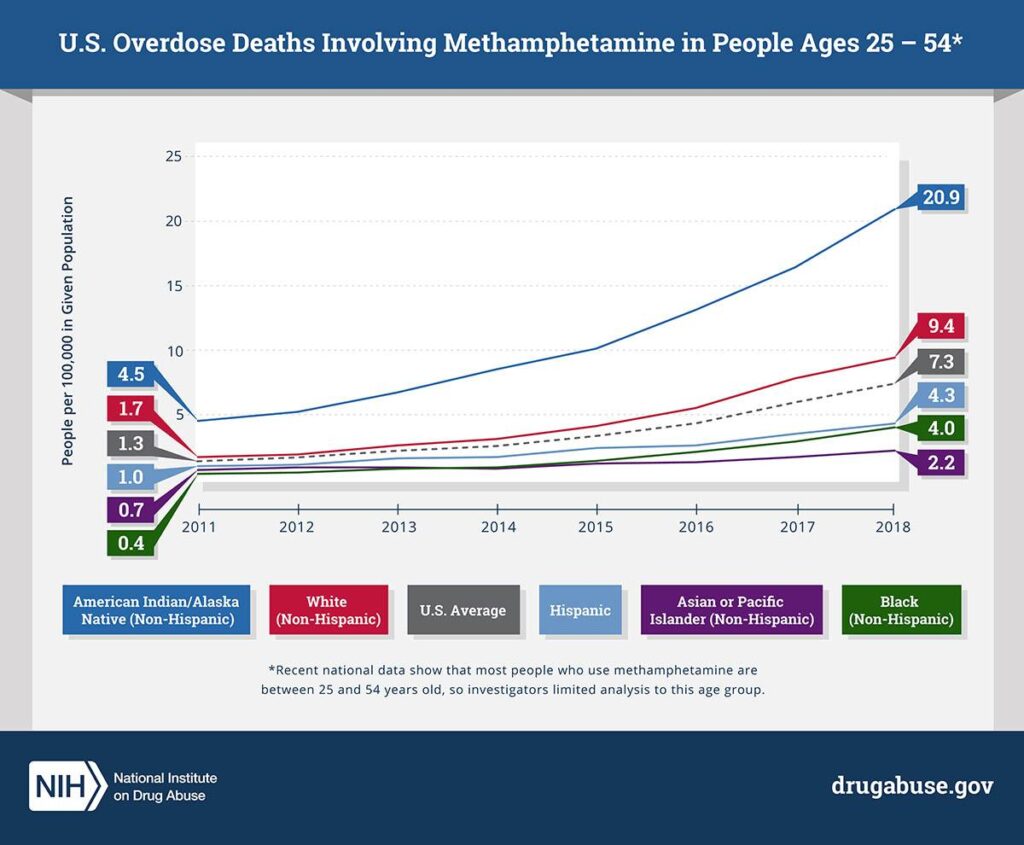
Methamphetamine use has resurged in recent years, with increases seen in both urban and rural areas. The drug’s widespread availability and evolving manufacturing processes have contributed to its accessibility. Unlike earlier eras when meth was often produced in small clandestine labs, today much of the supply originates from large-scale production operations, resulting in higher purity and potency.
This rise in potency has led to more severe physical and psychological consequences. Many individuals who struggle with Methamphetamine addiction also experience co-occurring mental health disorders such as anxiety, depression, bipolar disorder, or psychosis. The overlap between substance use and mental health challenges underscores the need for integrated, comprehensive treatment approaches.
At TRUE Addiction and Behavioral Health, clinicians recognize that Methamphetamine addiction rarely exists in isolation. Social, environmental, genetic, and psychological factors often contribute to substance use patterns. Understanding these contributing factors is a critical step in developing individualized treatment plans that address both addiction and underlying mental health concerns.
How Methamphetamine Affects the Brain
Methamphetamine profoundly impacts the brain’s structure and function. By flooding neural pathways with dopamine, the drug reinforces behaviors associated with reward and motivation. However, prolonged use damages dopamine receptors, reducing the brain’s ability to experience pleasure naturally. This phenomenon contributes to anhedonia, or the inability to feel joy without the drug, which can persist long into recovery.
In addition to dopamine disruption, Methamphetamine affects memory, learning, and emotional regulation. Individuals may experience difficulty concentrating, impaired decision-making, and heightened impulsivity. These cognitive changes can interfere with daily functioning, relationships, and employment, creating additional stressors that perpetuate substance use.
Chronic Methamphetamine use has also been linked to structural brain changes, including neuroinflammation and neuronal damage. Research suggests that while some recovery of brain function is possible with sustained abstinence, certain cognitive deficits may persist, highlighting the importance of early intervention and comprehensive care.
Physical Effects and Health Risks
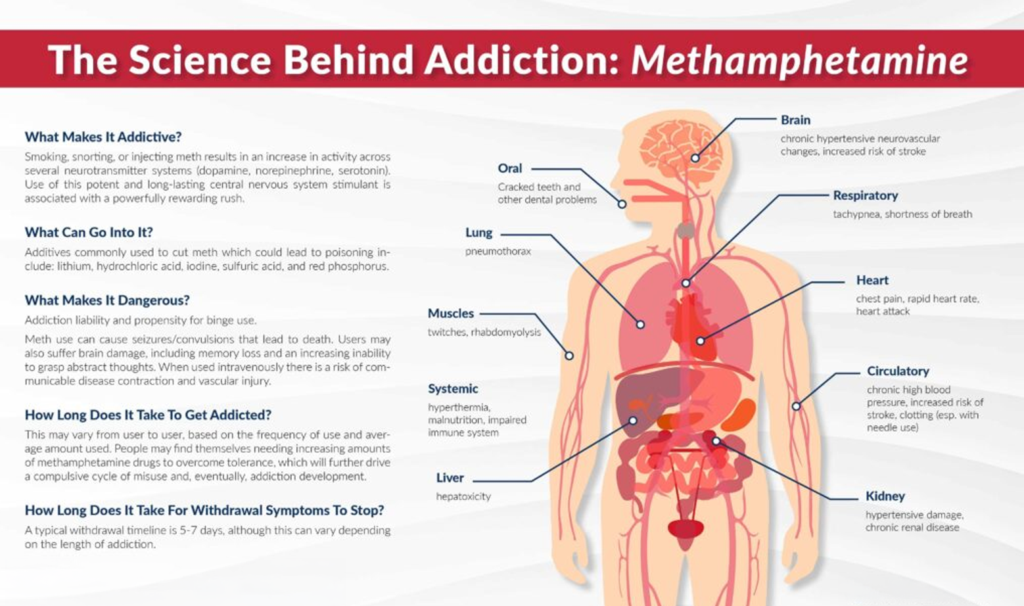
The physical consequences of Methamphetamine use can be severe and far-reaching. Short-term effects often include increased heart rate, elevated blood pressure, decreased appetite, insomnia, and hyperactivity. While these stimulant effects may initially feel energizing, they place significant strain on the cardiovascular system.
Long-term use is associated with more serious health complications. Cardiovascular issues such as arrhythmias, heart attack, and stroke are common among chronic users. Dental problems, often referred to as “meth mouth,” result from dry mouth, poor hygiene, and teeth grinding. Skin sores and infections may occur due to compulsive picking behaviors and weakened immune function.
Weight loss and malnutrition are also prevalent, as Methamphetamine suppresses appetite and disrupts normal eating patterns. Over time, these physical effects can contribute to overall deterioration in health and quality of life. Recognizing these warning signs can help individuals and loved ones seek treatment before complications become life-threatening.
Psychological and Behavioral Impact
Methamphetamine addiction significantly affects mental health and behavior. In the early stages of use, individuals may experience heightened confidence, increased sociability, and intense focus. However, as use continues, these perceived benefits often give way to anxiety, irritability, and emotional instability.
Chronic Methamphetamine use is strongly associated with paranoia, hallucinations, and stimulant-induced psychosis. These symptoms can resemble schizophrenia and may persist even after discontinuing use. Sleep deprivation, a common consequence of meth binges, further exacerbates psychological distress and cognitive impairment.
Behavioral changes may include secrecy, social withdrawal, neglect of responsibilities, and risky decision-making. Relationships often suffer as trust erodes and priorities shift toward obtaining and using the drug. The psychological toll of Methamphetamine addiction can leave individuals feeling isolated, hopeless, and overwhelmed, reinforcing the need for compassionate, evidence-based treatment.
Recognizing Signs of Methamphetamine Addiction
Identifying Methamphetamine addiction early can significantly improve treatment outcomes. Signs may include rapid weight loss, dilated pupils, erratic sleep patterns, and bursts of energy followed by crashes. Behavioral indicators such as agitation, mood swings, and increased secrecy may also be present.
Cognitive and emotional symptoms often accompany physical changes. Individuals may struggle with memory, concentration, and emotional regulation. Financial difficulties, legal issues, and declining work or academic performance can also signal problematic use.
Loved ones frequently notice personality changes and strained relationships. While confronting someone about Methamphetamine use can be challenging, open and supportive communication can encourage individuals to seek help. At TRUE Addiction and Behavioral Health, families are often involved in the treatment process to foster understanding, healing, and long-term recovery.
Methamphetamine Withdrawal and Detox
Withdrawal from Methamphetamine can be physically and emotionally challenging, though it differs from withdrawal associated with substances like opioids or alcohol. Common symptoms include fatigue, depression, increased appetite, and intense drug cravings. Individuals may also experience anxiety, irritability, and sleep disturbances.
The psychological aspects of withdrawal can be particularly difficult. Feelings of hopelessness and anhedonia may persist for weeks or months, making relapse more likely without proper support. Structured detox and clinical supervision can provide a safe and supportive environment during this critical phase.
At TRUE Addiction and Behavioral Health, detox services emphasize comfort, safety, and emotional support. While there is no specific medication approved solely for Methamphetamine withdrawal, clinicians may use supportive therapies and medications to address symptoms such as depression, anxiety, and insomnia.
Evidence-Based Treatment for Methamphetamine Addiction

Effective treatment for Methamphetamine addiction requires a comprehensive and individualized approach. Behavioral therapies remain the cornerstone of care, helping individuals understand the root causes of substance use and develop healthier coping strategies.
Cognitive behavioral therapy is widely used to address distorted thought patterns and behavioral triggers associated with Methamphetamine use. Contingency management programs, which provide positive reinforcement for sobriety, have shown promising results in promoting abstinence. Motivational interviewing can also enhance engagement and readiness for change.
At TRUE Addiction and Behavioral Health, treatment plans often integrate multiple therapeutic modalities to address the complex nature of addiction. Individual therapy, group counseling, and family therapy create a supportive network that fosters accountability and emotional growth. Trauma-informed care is frequently incorporated, recognizing that many individuals with Methamphetamine addiction have experienced past trauma.
The Role of Mental Health Treatment in Recovery
Methamphetamine addiction frequently co-occurs with mental health disorders, making integrated care essential. Anxiety, depression, bipolar disorder, and post-traumatic stress disorder can both contribute to and result from substance use. Addressing these underlying conditions is critical for sustained recovery.
Dual diagnosis treatment at TRUE Addiction and Behavioral Health focuses on treating both addiction and mental health simultaneously. Psychiatric evaluation, medication management, and psychotherapy work together to stabilize mood, reduce cravings, and improve overall functioning.
Holistic approaches may also play a role in recovery. Mindfulness practices, stress management techniques, and experiential therapies can enhance emotional regulation and resilience. By addressing the whole person rather than just the substance use, individuals are better equipped to build fulfilling, substance-free lives.
Relapse Prevention and Long-Term Recovery
Recovery from Methamphetamine addiction is a lifelong journey that extends beyond initial treatment. Relapse prevention strategies are essential for maintaining sobriety and navigating challenges that arise in daily life. Identifying triggers, developing coping skills, and building supportive networks can reduce the risk of relapse.
Aftercare planning at TRUE Addiction and Behavioral Health emphasizes continuity of care. Outpatient therapy, support groups, and alumni programs provide ongoing encouragement and accountability. Peer support can be particularly valuable, offering shared experiences and a sense of community.
Lifestyle changes also contribute to long-term recovery. Establishing healthy routines, engaging in meaningful activities, and prioritizing physical and mental wellness can reinforce sobriety. While setbacks may occur, they do not signify failure. Instead, they can serve as opportunities for growth and renewed commitment to recovery.
Supporting Loved Ones Affected by Methamphetamine Addiction
Methamphetamine addiction impacts not only the individual but also their loved ones. Families often experience emotional distress, confusion, and feelings of helplessness. Education and support can empower families to navigate these challenges while maintaining healthy boundaries.
Family therapy at TRUE Addiction and Behavioral Health provides a safe space for communication and healing. Loved ones can gain insight into the nature of addiction, learn effective coping strategies, and rebuild trust. Support groups for families may also offer connection and reassurance.
Encouraging treatment while expressing compassion and understanding can make a meaningful difference. Recovery is most successful when individuals feel supported rather than judged. By fostering a collaborative approach, families can play an important role in the healing process.
Hope and Healing at TRUE Addiction and Behavioral Health
While Methamphetamine addiction can feel overwhelming, recovery is possible with the right support and resources. Advances in treatment, growing awareness, and compassionate care have transformed the recovery landscape. Individuals who once felt trapped by addiction can rediscover purpose, connection, and hope.
TRUE Addiction and Behavioral Health is committed to providing evidence-based, person-centered care for those struggling with Methamphetamine addiction. Through comprehensive assessment, individualized treatment planning, and ongoing support, the organization empowers individuals to reclaim their lives and build sustainable recovery.
Seeking help is a courageous step. Whether someone is just beginning to recognize a problem or has struggled for years, treatment offers an opportunity for transformation. Recovery is not defined by perfection but by progress, resilience, and the willingness to keep moving forward.
Methamphetamine addiction may alter the brain and body, but it does not define a person’s future. With compassionate care, strong support systems, and evidence-based treatment, individuals can break free from the cycle of addiction and embrace a healthier, more fulfilling life.
Frequently Asked Questions About Methamphetamine
What is Methamphetamine and why is it so addictive?
Methamphetamine is a powerful stimulant that affects the central nervous system by dramatically increasing dopamine levels in the brain. This surge creates intense euphoria, energy, and focus, but it also rewires the brain’s reward system. Over time, natural dopamine production decreases, making individuals dependent on Methamphetamine to feel normal, which contributes to its high addiction potential.
What are the common street names for Methamphetamine?
Methamphetamine is often referred to as meth, crystal, ice, glass, crank, or tina. These names typically reflect the drug’s crystalline appearance or method of use. Regardless of the name, all forms of Methamphetamine carry significant risks and can lead to addiction and serious health consequences.
How quickly can someone become addicted to Methamphetamine?
Addiction to Methamphetamine can develop rapidly, especially when the drug is smoked or injected. The intense rush reinforces repeated use, and tolerance builds quickly. Some individuals may experience signs of dependency after only a few uses, while others may develop addiction over a longer period influenced by genetic, psychological, and environmental factors.
What are the signs that someone may be using Methamphetamine?
Signs of Methamphetamine use may include extreme weight loss, insomnia, hyperactivity, dilated pupils, mood swings, and increased secrecy. Individuals may also display paranoia, skin picking, dental issues, or sudden changes in behavior and priorities. Recognizing these warning signs early can help individuals and families seek treatment before addiction worsens.
What happens during Methamphetamine withdrawal?
Methamphetamine withdrawal often involves fatigue, depression, anxiety, increased appetite, and intense cravings. Many individuals experience emotional lows and difficulty feeling pleasure without the drug. While withdrawal is typically not life-threatening, the psychological symptoms can be challenging, making professional support and structured treatment beneficial.
Is there medication to treat Methamphetamine addiction?
Currently, there is no FDA-approved medication specifically for Methamphetamine addiction. However, clinicians may use medications to manage symptoms such as depression, anxiety, or sleep disturbances during recovery. Behavioral therapies, counseling, and structured treatment programs remain the most effective approaches for overcoming Methamphetamine addiction.
Can Methamphetamine cause permanent brain damage?
Chronic Methamphetamine use can lead to changes in brain structure and function, affecting memory, decision-making, and emotional regulation. Some of these changes may improve with sustained abstinence, but certain cognitive deficits can persist. Early intervention and comprehensive treatment can improve the chances of neurological recovery.
How is Methamphetamine addiction treated at TRUE Addiction and Behavioral Health?
TRUE Addiction and Behavioral Health provides individualized treatment plans that may include detox support, individual therapy, group counseling, dual diagnosis treatment, and relapse prevention planning. Evidence-based approaches such as cognitive behavioral therapy and motivational interviewing help individuals understand triggers, develop coping skills, and build a foundation for long-term recovery.
Can someone recover from Methamphetamine addiction?
Yes, recovery from Methamphetamine addiction is possible. With the right support, treatment, and commitment, individuals can regain stability and rebuild meaningful lives. Recovery is often a gradual process that involves ongoing therapy, peer support, and lifestyle changes, but many people achieve lasting sobriety and improved mental health.
How can families support a loved one struggling with Methamphetamine addiction?
Families can support loved ones by educating themselves about Methamphetamine addiction, encouraging treatment, and maintaining open communication. Setting healthy boundaries and participating in family therapy can foster healing and understanding. Support groups for families can also provide guidance, connection, and emotional support throughout the recovery journey.
When should someone seek professional help for Methamphetamine use?
Professional help should be sought as soon as Methamphetamine use begins to interfere with physical health, mental well-being, relationships, or daily responsibilities. Early treatment can prevent complications and improve recovery outcomes. Even if someone is unsure whether they have an addiction, a professional assessment can provide clarity and guidance.
What makes treatment at TRUE Addiction and Behavioral Health unique?
TRUE Addiction and Behavioral Health emphasizes compassionate, individualized care that addresses both substance use and underlying mental health challenges. By combining evidence-based therapies, trauma-informed approaches, and ongoing support, the program helps individuals develop resilience, rebuild relationships, and create sustainable recovery pathways.
Additional Resources
Verify Your Insurance Online
We are here to help. Contact us today and get the answers you need to start your journey to recovery!