
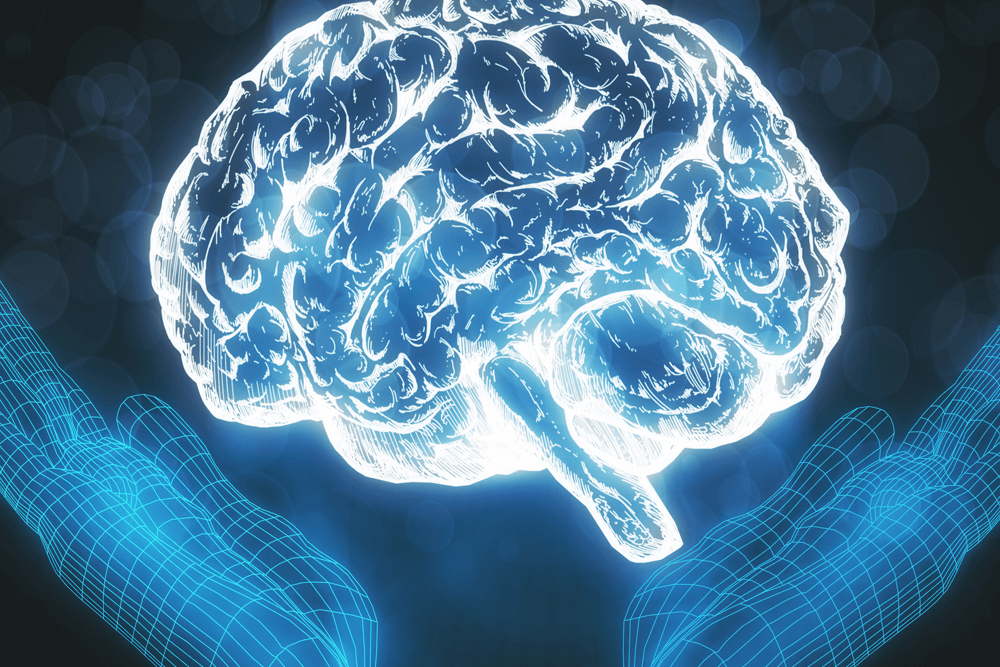
Mental health AI is no longer a futuristic concept discussed only in academic journals or Silicon Valley think tanks. It is actively reshaping how behavioral health organizations identify need, deliver care, measure outcomes, and support long-term recovery. For providers navigating increasing demand, clinician shortages, payer scrutiny, and rising expectations for personalized care, mental health AI represents a powerful evolution rather than a replacement of human treatment.
At TRUE Addiction & Behavioral Health, innovation has always been grounded in clinical integrity and real-world outcomes. Mental health AI aligns naturally with this philosophy because its highest value is not automation for its own sake, but enhanced insight, earlier intervention, and more precise support for both patients and clinicians. When used responsibly, mental health AI expands the reach of compassionate care while preserving the human connection that healing requires.
Understanding Mental Health AI in a Clinical Context
Mental health AI refers to the application of artificial intelligence technologies to behavioral health and mental healthcare delivery. These technologies include machine learning models, natural language processing, predictive analytics, and pattern recognition systems trained on large volumes of clinical, behavioral, and operational data. Unlike traditional software, mental health AI systems learn over time, improving accuracy as they process new information.
In a clinical environment, mental health AI can analyze intake data, session notes, patient-reported outcomes, wearable signals, engagement metrics, and historical treatment responses. This analysis helps identify subtle patterns that may not be immediately visible to clinicians working under time constraints. The goal is not to override professional judgment, but to augment it with deeper, data-driven insight.
Mental health AI excels in complexity. Behavioral health is rarely linear, and patient progress often involves nonlinear improvement, plateaus, or regression. AI systems are particularly well suited to recognizing these patterns, helping clinicians anticipate challenges before they escalate into crises.
The Growing Demand Driving Mental Health AI Adoption
The behavioral health industry is facing unprecedented demand. Anxiety, depression, substance use disorders, and trauma-related conditions have surged across demographics. At the same time, provider shortages and clinician burnout continue to strain treatment capacity. Mental health AI has emerged as a response to these pressures, offering scalable tools that support care delivery without sacrificing quality.
Mental health AI helps organizations extend clinical reach by streamlining documentation, optimizing scheduling, and flagging patients who may need additional support. These efficiencies free clinicians to spend more time on direct patient interaction, which remains the cornerstone of effective behavioral health treatment.
For organizations like TRUE, which prioritize individualized care, mental health AI enables personalization at scale. Treatment planning no longer relies solely on generalized protocols but can incorporate data-informed recommendations tailored to each patient’s history, diagnosis, and response patterns.

4
Enhancing Assessment and Diagnosis With Mental Health AI
Accurate assessment is the foundation of effective behavioral healthcare. Mental health AI enhances this process by integrating multiple data sources into a cohesive clinical picture. Intake forms, psychological assessments, clinical interviews, and historical records can be analyzed together rather than in isolation.
Natural language processing allows mental health AI to extract meaningful signals from clinical notes and patient narratives. Tone, language patterns, and emotional indicators can be evaluated alongside structured data to support diagnostic clarity. This is particularly valuable in complex cases involving co-occurring disorders or overlapping symptom profiles.
Mental health AI can also assist in ongoing assessment. Behavioral health conditions evolve over time, and static diagnoses may fail to capture shifting needs. AI-driven monitoring helps clinicians track progress dynamically, ensuring treatment remains aligned with the patient’s current state rather than an outdated snapshot.
Personalized Treatment Planning Through Mental Health AI
One of the most transformative applications of mental health AI lies in personalized treatment planning. Traditional care models often rely on standardized pathways that may not fully account for individual variability. Mental health AI analyzes outcomes across thousands of comparable cases to identify which interventions are most effective for specific patient profiles.
For example, AI systems can correlate demographic data, clinical history, engagement levels, and symptom trajectories to suggest treatment modalities with higher probabilities of success. This does not remove clinician discretion, but it equips providers with evidence-based guidance that enhances confidence and precision.
At TRUE, this approach aligns with a commitment to individualized care. Mental health AI supports clinicians in crafting treatment plans that evolve with the patient, adjusting intensity, modality, or focus as new data emerges.

Mental Health AI in Early Intervention and Risk Detection
Early intervention is critical in behavioral health, where delayed treatment can lead to escalation, relapse, or crisis. Mental health AI is particularly effective at identifying early warning signs by monitoring subtle changes in behavior, engagement, or reported symptoms.
Predictive models can flag patients at increased risk for relapse, disengagement, or acute distress. These insights allow care teams to intervene proactively rather than reactively. A timely check-in, adjustment to treatment, or added support can prevent more severe outcomes and improve long-term recovery.
For patients, this proactive approach enhances safety and continuity of care. For providers, it reduces crisis management burden and supports more sustainable clinical workflows.
Supporting Clinicians With Mental Health AI Tools
Mental health AI is not designed to replace clinicians, but to support them. Documentation burden, administrative complexity, and data overload contribute significantly to clinician burnout. AI-assisted tools help streamline these tasks, allowing clinicians to focus on therapeutic engagement.
Speech-to-text documentation, intelligent note summarization, and automated outcome tracking reduce time spent on paperwork. Clinical decision support tools surface relevant insights at the point of care rather than requiring manual data review.
At TRUE, the clinician-first mindset ensures that mental health AI serves as an ally rather than an obstacle. Technology is evaluated not just for efficiency, but for its ability to enhance clinical presence, reduce fatigue, and support professional judgment.

4
Ethical and Responsible Use of Mental Health AI
With great capability comes responsibility. Ethical considerations are central to the adoption of mental health AI, particularly given the sensitivity of behavioral health data. Privacy, consent, transparency, and bias mitigation must be foundational rather than afterthoughts.
Responsible mental health AI systems are designed with strict data security protocols and compliance with healthcare regulations. Equally important is transparency in how AI-driven insights are generated and used. Patients and clinicians should understand that AI supports decision-making rather than dictating it.
TRUE’s approach emphasizes ethical alignment. Mental health AI is implemented thoughtfully, ensuring that technology enhances trust rather than eroding it. Human oversight remains essential, and AI outputs are always interpreted within a clinical and relational context.
Mental Health AI and Patient Engagement
Engagement is a critical predictor of behavioral health outcomes. Mental health AI supports engagement by tailoring communication, monitoring participation, and identifying disengagement early. Personalized reminders, adaptive content delivery, and responsive digital touchpoints help patients stay connected to care.
AI-powered platforms can also provide supplemental support between sessions, reinforcing coping strategies and tracking progress. These tools are not substitutes for therapy, but extensions that maintain therapeutic momentum.
For patients, this continuity fosters a sense of support beyond scheduled appointments. For providers, it offers visibility into patient experience between sessions, enabling more informed and responsive care.
Operational Impact of Mental Health AI in Behavioral Health Organizations
Beyond clinical care, mental health AI delivers significant operational value. Behavioral health organizations must balance mission-driven care with financial sustainability. AI-driven analytics support capacity planning, utilization management, and outcome reporting.
Mental health AI can identify bottlenecks in care delivery, optimize staffing models, and improve payer communication through data-backed outcome metrics. These insights strengthen organizational resilience and enable reinvestment in patient services.
At TRUE, operational intelligence supports clinical excellence. Mental health AI provides leadership with clarity, ensuring that strategic decisions are informed by real-time data rather than assumptions.
The Human-Centered Future of Mental Health AI
The future of mental health AI is not about replacing human connection with algorithms. It is about amplifying empathy through insight, extending care through intelligence, and strengthening outcomes through precision. As AI continues to evolve, its greatest value will remain its ability to support clinicians and patients in meaningful, human-centered ways.
For TRUE Addiction & Behavioral Health, mental health AI represents a tool aligned with a broader mission: delivering effective, compassionate, and personalized care in an increasingly complex healthcare landscape. By integrating innovation with integrity, TRUE continues to set a standard for how technology and humanity can coexist in behavioral health.
Conclusion: Mental Health AI as a Catalyst for Better Care
Mental health AI is reshaping the behavioral health industry by enhancing assessment, personalization, early intervention, clinician support, and operational clarity. When implemented responsibly, it strengthens rather than diminishes the human elements of care.
At TRUE, mental health AI is not viewed as a trend, but as a strategic capability that supports better outcomes, deeper engagement, and sustainable growth. As demand for behavioral health services continues to rise, organizations that thoughtfully embrace mental health AI will be best positioned to deliver care that is both innovative and deeply human.
Frequently Asked Questions About Mental Health AI
How does mental health AI improve patient outcomes?
Mental health AI improves outcomes by identifying risk factors earlier, personalizing treatment approaches, and tracking progress in real time. By recognizing subtle changes in behavior or engagement, AI allows care teams to intervene sooner, adjust treatment strategies, and provide more targeted support, which can improve retention, safety, and long-term recovery.
Is mental health AI safe and secure for patients?
When implemented responsibly, mental health AI is designed with strict privacy, security, and compliance standards. Data is protected using healthcare-grade safeguards, and AI systems operate within ethical and regulatory frameworks. At TRUE Addiction & Behavioral Health, mental health AI is used in ways that prioritize patient confidentiality, transparency, and trust.
Can mental health AI help with co-occurring disorders?
Yes. Mental health AI is especially valuable in cases involving co-occurring mental health and substance use disorders. By analyzing complex data sets across diagnoses, symptoms, and treatment responses, AI can help clinicians better understand overlapping conditions and design integrated treatment plans that address the whole person.
How does mental health AI support early intervention and relapse prevention?
Mental health AI monitors patterns in engagement, mood indicators, and clinical data to detect early warning signs of relapse or deterioration. This allows care teams to respond proactively with timely outreach, treatment adjustments, or additional support, reducing the likelihood of crisis or disengagement.
Will patients interact directly with mental health AI systems?
In some cases, patients may benefit from AI-supported tools such as digital check-ins, progress tracking, or supplemental therapeutic resources. These tools are designed to enhance engagement and continuity of care, not replace human interaction. Direct therapy and clinical decision-making always remain clinician-led.
How does mental health AI help clinicians avoid burnout?
Mental health AI reduces administrative workload by assisting with documentation, summarizing clinical data, and surfacing relevant insights automatically. By minimizing time spent on repetitive tasks, clinicians can focus more on therapeutic work, improving both job satisfaction and quality of care.
Is mental health AI biased or inaccurate?
Like any technology, mental health AI must be carefully designed and monitored to minimize bias. Responsible providers use diverse, high-quality data sets and apply continuous oversight to ensure fairness and accuracy. Mental health AI is most effective when combined with clinical judgment and ethical governance.
Why is mental health AI important for the future of behavioral health?
The demand for behavioral health services continues to grow, while resources remain limited. Mental health AI helps bridge this gap by enabling more personalized, proactive, and efficient care delivery. When integrated thoughtfully, it supports better outcomes for patients, stronger tools for clinicians, and more sustainable behavioral health organizations.
Additional Resources
TRUE Addiction and Behavioral Health
Verify Your Insurance Online
We are here to help. Contact us today and get the answers you need to start your journey to recovery!