Am I an Alcoholic and Why So Many People Ask This Question
“Am I an Alcoholic” is one of the most searched and emotionally loaded questions in behavioral health today. People do not usually ask it casually. They ask it late at night, after a difficult morning, after another broken promise to themselves, or after someone they love finally says something that cannot be ignored.
If you are searching “Am I an Alcoholic,” it does not automatically mean you have an alcohol use disorder. But it does mean something about your relationship with alcohol feels off, confusing, or heavier than it should be. Many people live for years in the gray space between knowing something is wrong and not knowing what to call it.
At TRUE Addiction and Behavioral Health, we work with people who come from every background, career level, and family situation. Some drank daily. Others only drank on weekends. Some never missed work. Others lost everything. What connects them is not how much they drank, but the fact that alcohol quietly started taking up more space in their lives than they ever intended.
The question “Am I an Alcoholic” is not about labeling yourself. It is about understanding whether alcohol is interfering with your health, your thinking, your emotions, your relationships, and your future.
Am I an Alcoholic or Just Drinking More Than I Used To?
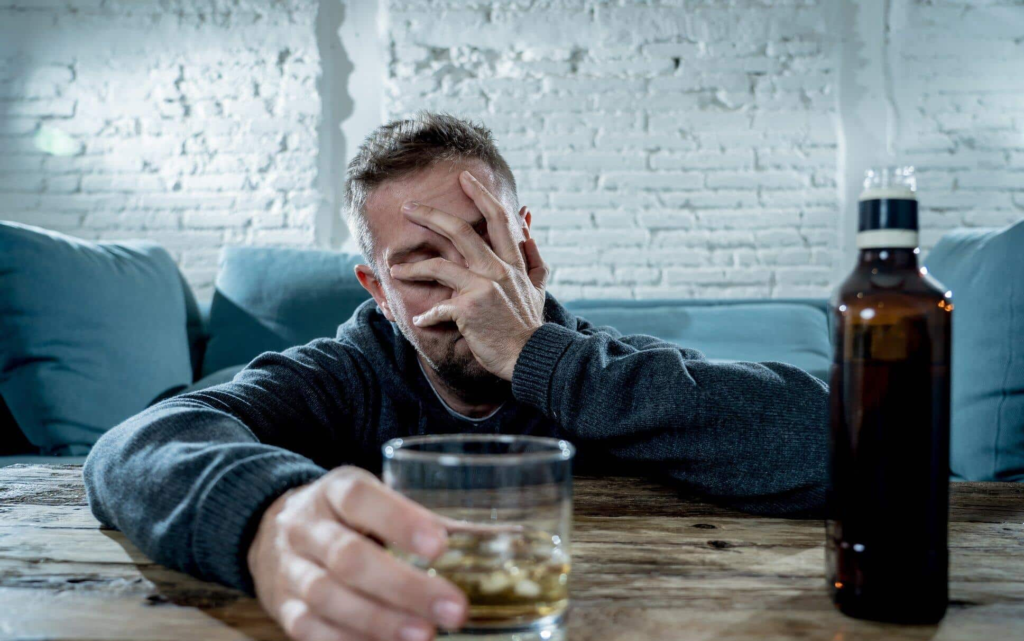
One of the biggest reasons people hesitate to ask “Am I an Alcoholic” is because their drinking does not match what they think alcoholism looks like. Many still picture a person who drinks all day, cannot hold a job, and has obvious, visible consequences. The reality is much more complicated.
Alcohol use disorder exists on a spectrum. Some people are physically dependent. Others are psychologically dependent. Some move back and forth between the two without realizing it. You can still show up to work, raise your children, pay your bills, and maintain social relationships while alcohol is quietly reshaping how you cope with stress, how you regulate emotions, and how you relax.
If you find yourself thinking about when you can drink next, feeling disappointed when drinking plans fall through, or relying on alcohol to change how you feel rather than enhance an already good moment, the question “Am I an Alcoholic” becomes very relevant.
What matters is not how your drinking compares to someone else’s. What matters is how it affects you.
Am I an Alcoholic If I Can Stop for a While?
Many people test their relationship with alcohol by taking short breaks. They go dry for a week. Maybe a month. Then they return to drinking and assume everything is fine because they proved they could stop.
Being able to stop for a short period does not automatically mean alcohol is not a problem. The deeper question behind “Am I an Alcoholic” is what happens emotionally, mentally, and behaviorally when you stop.
Do you constantly think about drinking while you are not drinking? Do you feel restless, irritable, or empty? Do you count the days until you can drink again? Do you reward yourself with alcohol after stressful situations because nothing else feels satisfying enough?
When alcohol becomes the primary way you regulate stress, social anxiety, boredom, sadness, or exhaustion, the issue is not simply whether you can abstain temporarily. It is whether your brain has learned to depend on alcohol for emotional balance.
Am I an Alcoholic If I Only Drink at Night or on Weekends?
A common belief is that alcohol becomes a problem only when it is consumed all day or first thing in the morning. For many people, however, their entire drinking pattern is built around evenings and weekends.
If you are asking “Am I an Alcoholic” and your drinking mostly happens after work, late at night, or during social gatherings, the timing itself is not what matters. The function of alcohol in your life matters far more.
If alcohol becomes the main signal to your nervous system that it is finally safe to relax, finally safe to stop thinking, finally safe to feel less pressure, then alcohol has taken on a powerful role in your emotional regulation system. Over time, this pattern can reshape stress pathways in the brain and make it increasingly difficult to unwind or cope without drinking.
Am I an Alcoholic and What Does Science Say About Alcohol Use Disorder?

Clinically, alcohol use disorder is defined by patterns of use that cause significant impairment or distress. It is not defined by one single behavior. It is defined by how alcohol affects your ability to control your intake, your priorities, your health, and your responsibilities.
When people ask “Am I an Alcoholic,” clinicians look for patterns such as increasing tolerance, difficulty cutting down, spending significant time thinking about alcohol, continuing to drink despite negative consequences, and feeling driven to drink even when it no longer brings the same relief or pleasure.
Neuroscience shows that repeated alcohol exposure alters dopamine signaling, stress hormone regulation, and impulse control networks in the brain. These changes are not moral failures. They are predictable neurobiological adaptations. Over time, alcohol shifts from being something you choose to something your brain increasingly expects.
Understanding this biology can help reduce shame and open the door to healthier conversations about treatment and support.
Am I an Alcoholic If I Haven’t Had Serious Consequences Yet?
Many people postpone asking “Am I an Alcoholic” because they believe they need a dramatic wake-up call first. They wait for a DUI, a job loss, a medical emergency, or a relationship crisis.
The truth is that waiting for serious consequences often makes recovery harder, not easier. Alcohol-related harm builds gradually. It affects sleep quality, anxiety levels, blood pressure, liver function, cognitive clarity, and emotional resilience long before a major event forces attention.
One of the most powerful shifts in modern treatment is recognizing that you do not have to reach a breaking point to deserve support. Early intervention often leads to shorter treatment episodes, better long-term outcomes, and less disruption to family and professional life.
If you are asking “Am I an Alcoholic” before things fall apart, that is not weakness. That is awareness.
Am I an Alcoholic and How Do I Know If I’ve Lost Control?
Loss of control is one of the most misunderstood aspects of alcohol use disorder. It does not always mean you drink every time you intend to avoid alcohol. It often shows up in smaller, subtler ways.
You may plan to have one drink and consistently have several. You may promise yourself you will not drink on a work night and find a reason to justify it. You may repeatedly decide that this weekend will be different and then fall back into the same pattern.
When people search “Am I an Alcoholic,” they are often noticing a growing gap between intention and behavior. That gap is one of the clearest clinical indicators that alcohol is beginning to override decision-making systems in the brain.
Am I an Alcoholic and Why Do I Feel So Defensive When People Bring It Up?
Defensiveness is not proof that someone has a problem. It is a human response to perceived threat. But when the topic of drinking triggers unusually strong emotional reactions, it can signal that alcohol has become deeply tied to identity, coping, and self-worth.
If friends, partners, or family members express concern and you immediately feel angry, dismissed, misunderstood, or ashamed, it may be worth exploring why the subject feels so destabilizing.
The question “Am I an Alcoholic” often brings up fear of judgment, fear of losing control over one’s lifestyle, and fear of imagining life without alcohol. These fears are extremely common and do not mean that change is impossible. They simply mean alcohol has become emotionally important.
Am I an Alcoholic and How Does Mental Health Play a Role?

Many individuals who ask “Am I an Alcoholic” are also living with anxiety, depression, trauma histories, or chronic stress. Alcohol frequently becomes a form of self-medication.
In the short term, alcohol can reduce social anxiety, quiet racing thoughts, and numb emotional pain. Over time, however, it worsens anxiety disorders, increases depressive symptoms, disrupts sleep cycles, and intensifies stress hormone activity.
This creates a cycle where alcohol is used to manage symptoms that alcohol itself helps create. At TRUE Addiction and Behavioral Health, integrated care addresses both substance use and underlying mental health drivers so clients are not asked to remove their primary coping tool without replacing it with healthier, more sustainable supports.
Am I an Alcoholic If I Drink to Cope With Stress?
One of the most revealing aspects of the question “Am I an Alcoholic” is why you drink, not just how much you drink.
If alcohol is your main tool for dealing with work pressure, family conflict, financial stress, loneliness, or emotional exhaustion, the risk of dependency increases significantly. Your brain begins to associate relief and safety with alcohol rather than with internal coping skills, relationships, or restorative activities.
Over time, this can narrow your emotional toolbox. Life stressors feel larger because alcohol has become the primary regulator. When alcohol is unavailable, distress can feel unusually intense.
This does not mean you are broken. It means your nervous system has learned a very efficient shortcut that now needs to be gently retrained.
Am I an Alcoholic and What Are the Physical Warning Signs?
People often focus only on behavioral red flags, but physical changes frequently accompany problematic drinking. These can include disrupted sleep, persistent fatigue, gastrointestinal issues, headaches, increased anxiety upon waking, elevated heart rate, and changes in memory or concentration.
Some individuals notice shakiness, sweating, nausea, or irritability when they try to cut back. These can be early withdrawal symptoms, indicating that the body has begun adapting to regular alcohol exposure.
If you are asking “Am I an Alcoholic” and noticing physical discomfort when you reduce or skip drinking, it is important to take that information seriously and seek professional guidance before attempting major changes on your own.
Am I an Alcoholic and What Makes TRUE Addiction and Behavioral Health Different?
At TRUE Addiction and Behavioral Health, treatment is not built around shame, rigid rules, or one-size-fits-all programs. Care is individualized, clinically grounded, and focused on helping people understand their own patterns, triggers, and recovery goals.
Our clinical team recognizes that the question “Am I an Alcoholic” is often only the beginning of a much deeper conversation about identity, stress, trauma, family systems, and emotional health. Treatment plans are designed to support stabilization, emotional regulation, and long-term behavior change rather than short-term abstinence alone.
Whether someone needs medical support, structured programming, outpatient services, or trauma-informed therapy, care is tailored to the person rather than the label.
Am I an Alcoholic and What Happens During an Evaluation?
A professional evaluation is not an interrogation. It is a collaborative clinical conversation. When individuals come to TRUE Addiction and Behavioral Health asking “Am I an Alcoholic,” clinicians explore drinking history, current patterns, mental health symptoms, physical health factors, family history, and environmental stressors.
This process helps clarify whether alcohol use meets criteria for alcohol use disorder and, if so, what level of care is most appropriate. For some people, early intervention and outpatient support are enough. For others, more structured treatment provides a safer and more stable foundation for recovery.
The goal is clarity, not judgment.
Am I an Alcoholic and Can Treatment Really Help If I’m Not Ready to Quit Forever?
Many people hesitate to reach out because they believe treatment means committing to lifelong abstinence immediately. In reality, recovery planning is far more flexible and collaborative.
The question “Am I an Alcoholic” does not require you to already have all the answers about what your future relationship with alcohol should look like. Treatment focuses first on safety, stabilization, and understanding your patterns. From there, goals are shaped through ongoing clinical dialogue.
Ambivalence is normal. Uncertainty is normal. Curiosity is enough to begin.
Am I an Alcoholic and How Do I Talk to My Family About It?
Opening conversations with loved ones can feel intimidating. Many fear disappointing others or being pressured into decisions they are not ready to make.
If you are asking “Am I an Alcoholic,” one helpful approach is to share your concerns rather than conclusions. Saying that you are questioning your relationship with alcohol and want professional input can invite support without forcing labels.
Family systems often carry their own histories with addiction, trauma, and secrecy. Supportive clinical environments can help guide family communication in ways that reduce conflict and increase understanding.
Am I an Alcoholic and What Is the First Step I Should Take?

The most important step is not deciding what you are. It is deciding to learn more about your own relationship with alcohol in a safe, professional setting.
A confidential assessment can help you move beyond online quizzes and self-diagnosis. It can provide clarity about risk factors, current impacts, and available support options.
If you are searching “Am I an Alcoholic,” it means you care about your health, your relationships, and your future. That concern itself is meaningful.
Am I an Alcoholic and Where Can I Get Help Right Now?
If you are questioning your drinking and want compassionate, clinically grounded support, TRUE Addiction and Behavioral Health is here to help. Our team understands how complex and personal this question can be.
You do not have to wait until things become unmanageable. You do not have to label yourself before you seek care. You only need to be willing to explore what is happening and what support might help you move forward.
Asking “Am I an Alcoholic” is not a sign of failure. It is often the first quiet step toward clarity, health, and a more balanced life.
FAQ: Am I an Alcoholic?
Am I an Alcoholic if I don’t drink every day?
“Am I an Alcoholic” is not determined by how often you drink, but by how alcohol affects your behavior, health, and ability to control your use. Many people with alcohol use disorder only drink on weekends or in the evenings, yet still experience cravings, emotional reliance on alcohol, repeated broken limits, or growing consequences in their relationships and mental health. Frequency alone does not define whether alcohol has become a problem.
Am I an Alcoholic if I can still keep my job and take care of my family?
One of the most common misconceptions behind the question “Am I an Alcoholic” is that someone must be failing at work or home to qualify for a problem. Many people continue to function at a high level for years while alcohol slowly affects their sleep, mood, focus, physical health, and emotional stability. Being successful or responsible does not protect someone from developing alcohol use disorder.
Am I an Alcoholic if I only drink to relax or deal with stress?
Using alcohol to cope with stress, anxiety, or emotional pressure is one of the strongest warning signs behind the question “Am I an Alcoholic.” When alcohol becomes the primary way you unwind, calm your thoughts, or escape emotional discomfort, your brain begins to rely on it for regulation. Over time, this pattern can increase both psychological and physical dependence, even if your drinking still appears socially acceptable.
Am I an Alcoholic if I don’t feel addicted?
Many people who search “Am I an Alcoholic” do not feel addicted in the way they imagine addiction should feel. Alcohol use disorder often develops gradually. You may simply notice that you think about drinking more, feel uneasy when you cannot drink, or struggle to follow through on limits you set for yourself. A lack of dramatic cravings does not mean alcohol is not quietly reshaping your habits and emotional coping.
Am I an Alcoholic if I feel guilty or ashamed after I drink?
Feelings of guilt, regret, or shame after drinking are extremely common among people questioning “Am I an Alcoholic.” These emotions often appear when drinking no longer aligns with your personal values, health goals, or responsibilities. Repeated emotional discomfort around your drinking is an important signal that your relationship with alcohol may deserve professional attention.
Am I an Alcoholic and should I try to quit on my own first?
If you are asking “Am I an Alcoholic,” it is often safer and more effective to talk with a professional before making major changes to your drinking, especially if you drink regularly or heavily. Some people experience withdrawal symptoms such as anxiety, shakiness, nausea, or sleep disruption when they cut back. A clinical assessment can help determine whether medical support or structured care is needed and can reduce unnecessary risk.
Am I an Alcoholic and what happens if I reach out for help?
, asking “Am I an Alcoholic” starts with a confidential, supportive clinical evaluation. You are not pressured into treatment or labeled during this process. A licensed professional will review your drinking patterns, mental health history, physical health, stress levels, and goals to help you understand whether alcohol use disorder may be present and what level of care would best support you.
Am I an Alcoholic even if I’m not ready to quit completely?
Many people hesitate to seek help because they believe they must already be committed to permanent sobriety. The question “Am I an Alcoholic” does not require that decision. Treatment and assessment focus first on understanding your relationship with alcohol, improving safety, and strengthening coping skills. Readiness for change develops over time, and uncertainty is a normal part of the process.
Am I an Alcoholic and how quickly can I get support?
If you are asking “Am I an Alcoholic” and feel concerned about your drinking right now, you can contact TRUE Addiction and Behavioral Health to schedule a confidential assessment as soon as you are ready. Early support can help prevent more serious health, legal, and relationship consequences and can give you clear, professional guidance instead of relying on self-diagnosis alone.