Expertise provided by Javier Verdin, Clinical Director and Ben Dobbs, CEO
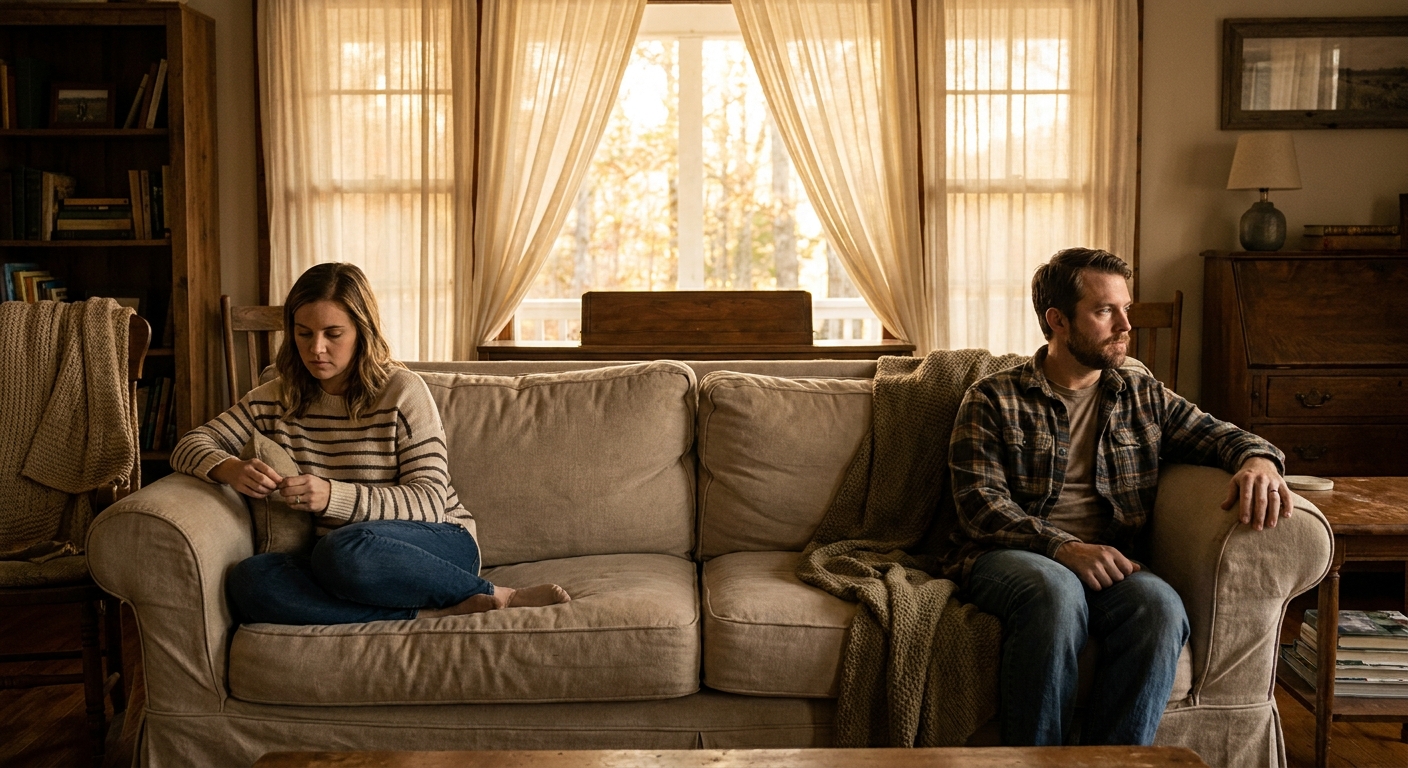
You have started tracking which topics are safe and which will trigger a three-day shutdown, and you realize you are no longer having conversations. You are performing emotional triage. You check their tone before you speak, and you rehearse simple requests like a fire drill. That shift from partner to crisis manager is one of the clearest signs that dating someone with borderline personality disorder (BPD) has moved past what love and patience can address alone. It does not mean you failed. It may mean your partner could benefit from structured clinical care, and you may need a plan that protects you, too.
This guide is for you, the partner doing the late-night research. T.R.U.E. Addiction & BH in Murfreesboro, TN treats borderline personality disorder alongside substance use, trauma, anxiety, and depression under one Tennessee provider, and it works with Aetna, Cigna, Blue Cross Blue Shield, UnitedHealthcare, Anthem, and Tricare to support accessible care; coverage and benefits vary by plan, and the intake team verifies your specific benefits during the first call. Below, you will find what BPD can look like at home, how to support someone without enabling them, why alcohol or drug use changes the picture, and what treatment may look like.
What Does Dating Someone With Borderline Personality Disorder Actually Look Like at Home?
At home, BPD can look less like a symptom list and more like living with weather you cannot forecast. Closeness can feel intense and warm one evening, and then a missed text, a late arrival, or a change of plans can set off fear, anger, or silence that lasts for days.
The National Institute of Mental Health describes BPD as a condition that affects a person’s ability to regulate emotions, and it notes that relationships are often intense and unstable. That clinical language is accurate, but it misses what you may actually live through. You may notice that you have stopped mentioning certain friends. You may answer texts within seconds because a slow reply once turned into an all-night argument. You may feel adored on Sunday and treated like a stranger by Tuesday, with nothing in between that explains the change. Many partners describe feeling like they are always one sentence away from being cast as the villain.
T.R.U.E. Addiction & BH has a specific view of where this volatility can come from. The clinical team has observed through years of treating clients with BPD that many arrive without grounding techniques, without reliable ways to regulate emotion, and without any spiritual or meaning-making framework to anchor themselves. The pattern they see most often: trauma histories that were never addressed, leaving old injuries to answer present-day triggers. When a small moment sets off a large reaction, that is often what is happening.
That understanding is not an excuse for behavior that hurts you, but it can work like a map. If the intensity grows out of trauma and missing skills, then the path forward may involve building those skills in treatment, not you working harder to never set anything off. No partner can be careful enough to prevent every trigger, and trying to do so is often what wears people down.
How Do You Validate Their Feelings Without Agreeing With Everything They Do?
Once you see where the intensity may come from, the next question is how to respond to it. The short answer is that you validate the emotion, not the behavior. Dialectical behavior therapy (DBT) teaches that you can say a feeling makes sense while still holding a firm limit on what happens next. That one skill lets a boundary land without sounding like you are leaving.
DBT matters here for a reason. According to the National Institute of Mental Health, DBT was developed specifically for people with BPD. One of its core skill areas, interpersonal effectiveness, separates two things partners often blur together. Validation says, “Your feeling is real and makes sense.” Agreement says, “Your conclusion is correct and I will act on it.” When you treat those as the same thing, you are stuck with two difficult options: argue with the feeling and escalate the fight, or agree with the conclusion and give up your own life one piece at a time.
Here is how that difference sounds in real moments:
| What happens | Validation (healthy) | Agreement or enabling (unhealthy) |
|---|---|---|
| You plan dinner with a friend | “I can tell you are scared I will pull away. I am still going, and I will text you when I am heading home.” | “You are right, I will cancel.” |
| They accuse you of not caring | “It sounds like you feel very alone right now. That is painful. I do care, and I am staying in this conversation.” | “Fine, I am the worst. I will try harder.” |
| They miss work after a bad night | “That night sounded awful. I will help you call your therapist.” | Calling their boss with a cover story |
| They want you to cut off a family member | “I hear how threatened you feel. I am not ending that relationship, and we can talk about what scares you.” | Going silent with your family to keep the peace |
Notice the pattern in the healthy column. You name the emotion, state your own limit in plain words, and promise something you can actually deliver, like a text at a set time. Consistency may do more to ease abandonment fear than perfect wording. When your partner learns that you leave for dinner and also come home when you said you would, the boundary may slowly become evidence that you are reliable. Their fear may still flare, and that is okay. You are not responsible for preventing every feeling, only for being honest and steady.
The line between support and codependency sits right here. Support is driving your partner to a DBT group, while codependency is skipping your own doctor’s appointment to sit by the phone in case they need you. If you want help practicing this, T.R.U.E. Addiction & BH can bring willing partners in for family sessions or one-on-one education sessions with a clinician once your loved one is in treatment.
When Substance Use Co-Occurs, Why Does Dual Diagnosis Change Everything?
Boundaries get much harder to hold when alcohol or drugs are part of the picture. Substances can intensify emotional dysregulation, so a relationship may not settle until both conditions are treated together. When BPD and a substance use disorder show up in the same person, treating one while not addressing the other may leave the whole cycle in place.
Think about how this can play out at home. A fight starts, the emotion becomes unbearable, and drinking or using becomes the fastest way to make it stop. Intoxication lowers impulse control, so the next argument gets louder. The morning brings shame and a sincere apology, and then the shame itself becomes the next trigger. You may not be able to tell which reactions come from BPD and which come from the substance. Many partners start counting drinks, checking pill bottles, or searching the car, and that monitoring quietly becomes another full-time job.
This is the clinical work T.R.U.E. Addiction & BH was built for. Its Murfreesboro, TN team treats co-occurring mental health and substance use disorders under one provider, using DBT skills groups and individual DBT, CBT, REBT, motivational interviewing, trauma resolution, and trauma-informed care. On-site staff handle psychiatric medication management and medication-assisted treatment (MAT) when the medical team finds MAT appropriate. A comprehensive review of BPD research identifies psychotherapy as the primary treatment for BPD, which is why MAT works alongside DBT here and does not replace it. Medication may help steady cravings and withdrawal so your partner has enough stability to learn skills, and those skills then address the emotions that may have driven the use in the first place. Running both at once may give the relationship a foundation.
Your partner may not have to leave home or quit their job to start. T.R.U.E. offers Partial Hospitalization (PHP), Intensive Outpatient (IOP), Evening IOP, and outpatient care, and a prescreen assessment determines which level fits. The program accepts Aetna, Cigna, Blue Cross Blue Shield, UnitedHealthcare, Anthem, and Tricare.
One more detail matters for you. The therapist typically waits until your partner understands and can use both grounding and emotion regulation skills before bringing a partner or family member into sessions, and decides that case by case. Bringing you in too early can turn a session into a replay of the fights at home, while waiting gives your partner the tools to actually hear you.
Is This Relationship Starting to Harm Your Own Mental Health?
So far, this guide has focused on your partner. Now it is time to look at you. When you are dating someone with borderline personality disorder, your own health can slip so quietly that you miss it. If managing your partner’s emotions has become your full-time job, the relationship may be harming you. Losing weight, missing work, or avoiding friends are serious warning signs, and they also suggest that your partner may benefit from individual DBT treatment first, not more patience from you.
Many clinicians describe this as caregiver strain, and some partners develop their own symptoms after repeated relational crises. You might lie awake replaying arguments or wake up already bracing for the day. You might feel your chest tighten when your phone buzzes. Hypervigilance is common: scanning their face, their tone, even the way the front door closes, trying to predict what kind of night it will be. Research on partners of people with BPD, including this systematic review indexed by the National Library of Medicine, describes the strain these relationships can put on the partner’s well-being. Your exhaustion is not weakness. It is a predictable response to living on constant alert.
Couples therapy can feel like the obvious option, but on its own it may fall short. Joint sessions assume both people can stay regulated enough to listen. Without grounding and emotion regulation skills, a couples session can become one more place to fight, just with a referee. That is why treatment at T.R.U.E. Addiction & BH starts with the individual and adds partner work only once those skills are in place.
So when is support enough, and when might professional treatment help? Support may be enough when your partner is already in treatment, uses their skills, and repairs after conflict. You might consider encouraging structured care when you are in triage mode, when alcohol or drugs are involved, or when your own health is slipping. Pick a calm moment rather than the middle of a fight, and lead with their pain: “I can see how much you are hurting, and I want you to have real help.” Then offer to make the first call together.
Some situations cannot wait. If your partner talks about suicide or self-harm, call or text 988. If anyone is in immediate danger or you feel unsafe, call 911. Stepping back to protect yourself is not abandonment.
You also deserve care. T.R.U.E. treats anxiety, depression, PTSD, and trauma, so if you recognize yourself in these signs, you can ask about an assessment for yourself as well.
What Should Treatment Look Like Before Your Relationship Can Stabilize?
If you do encourage your partner to get help, it helps to know what treatment may involve. Real engagement typically means your partner completes a full assessment, attends consistently, and starts using grounding and emotion regulation skills at home before partner sessions begin. At T.R.U.E. Addiction & BH, that path follows clear steps, so you know what to watch for instead of waiting with no end in sight.
Here is how the process works:
- Prescreen. A first assessment recommends the right level of care: PHP, IOP, Evening IOP, or outpatient.
- Full intake. Every client completes a 90-minute biopsychosocial assessment plus a symptom-driven clinical formulation. This looks at trauma, substance use, mental health, and daily life together.
- Case conference. On Tuesdays and Fridays, the clinical director, prescriber, and lead therapist meet and assign a therapist based on how complex the trauma history is, whether MAT is needed, and which approach fits best.
- Stabilizing skills. Early work centers on grounding techniques and emotion regulation through DBT groups, individual DBT, CBT, and trauma resolution.
- Deeper work. The program teaches clients to practice forgiveness, grace, self-worth, and self-value, so they learn they are bigger than what happened to them. Therapists walk clients through naming their injuries without becoming their injuries, which often becomes the difference between a defensive reaction and a considered response.
- Partner integration. When your partner agrees and the skills are usable, the therapist may bring you into family or one-on-one sessions, case by case.
- Long-term maintenance. Prevention skills and outpatient care support the changes after the more intensive phase ends.
What might you look for at home? Not perfection. Look for steady attendance, your partner naming a feeling instead of acting it out, a pause before reacting, and quicker repair after conflict. Setbacks can happen, and one hard week does not erase progress. The National Institute of Mental Health notes that many people with BPD experience fewer or less severe symptoms over time with treatment. Long-term stability may be possible for some couples, though outcomes vary from person to person, and improvement often depends on your partner’s ongoing commitment and your own willingness to learn new skills.
A few things make this experience feel less institutional than a large national chain. T.R.U.E. accepts clients who have been turned away from other centers. The CEO and the Chief Clinical Director sometimes lead psychoeducation groups themselves, which gives families direct access to leadership’s clinical thinking. Leadership has also built a clinician training module on love, compassion, and root trauma therapy, and it supports ongoing staff education. Your partner is treated as a person with a history, not a file number.
The Questions You Are Afraid to Ask Out Loud
Here are short, direct answers to the questions partners most often ask when deciding what to do next. If your question is not here, the intake team can answer it on the first call.
Can a relationship with someone who has borderline personality disorder be stable long-term?
It may be for some couples, though outcomes vary from person to person. Stability often requires the person with BPD to engage in structured DBT treatment and build grounding and emotion regulation skills. Both partners also benefit from learning clinical-level boundary skills, often with professional guidance.
How do I set boundaries without triggering abandonment fears in my partner with BPD?
Pair validation of the emotion with clear language about your own limit, then follow through every time. DBT teaches that consistent, kind boundaries may ease abandonment panic over time better than avoiding boundaries does. Their fear may still show up, but your reliability can become evidence that you are not leaving.
When should I encourage my partner with BPD to get professional treatment?
You might encourage it when you are performing emotional triage instead of having conversations, when your own mental health is declining, or when substance use is involved. In those situations, professional treatment may provide the foundation for a stable relationship.
What does DBT treatment for borderline personality disorder look like at T.R.U.E. in Murfreesboro, TN?
T.R.U.E. Addiction & BH offers PHP, IOP, and Evening IOP levels of care that combine DBT, trauma-informed care, and MAT when appropriate. Therapists are assigned based on trauma complexity, and partners may join sessions case by case once the client shows usable grounding skills.
How do I support my partner with BPD without enabling destructive behaviors?
Acknowledge what your partner feels while holding firm limits on actions that harm you, them, or the relationship. Helping them call a therapist is support, while covering for missed work or hiding the consequences of substance use is enabling.
Does insurance cover borderline personality disorder treatment in Tennessee?
Coverage depends on your specific plan. T.R.U.E. Addiction & BH in Murfreesboro, TN accepts Aetna, Cigna, Blue Cross Blue Shield, UnitedHealthcare, Anthem, and Tricare, and the intake team checks your benefits and level of care during the first call.
Can One Phone Call Really Be the First Step?
It can, and you do not need to have the whole plan figured out first. You also do not need your partner to be ready for everything today. You only need to ask the first questions.
Many partners hold off because they are afraid of being judged or pushed into a decision. You may worry the intake staff will think you are overreacting, or that you will hang up committed to something you do not understand. The first call is a conversation, not a contract. Your partner will need to take part in their own assessment, but you can make the call, learn the options, and bring that information home. T.R.U.E. Addiction & BH was built around accessible care and comprehensive treatment, with multiple pathways to recovery for people living with BPD, substance use, and trauma, and for the partners who love them.
Call T.R.U.E. Addiction & BH in Murfreesboro, TN at (615) 338-6235 to schedule the 90-minute biopsychosocial intake, verify your insurance coverage, and ask whether PHP, IOP, or Evening IOP may be the right fit for your partner’s needs. Before you dial, write down the last three crisis episodes: what happened just before, whether alcohol or drugs were involved, and how long each one lasted. Those three notes give the clinical team a clearer starting picture than hours of memory ever could, and they turn the nights you have been trying to survive into information someone may be able to help with.
Find the Support You Both Deserve
If you’re navigating a relationship with someone who has borderline personality disorder, you don’t have to face the challenges alone. T.R.U.E. Addiction & BH in Murfreesboro, TN offers compassionate guidance for both individuals and their loved ones working through mental health concerns. Whether you’re seeking clarity on setting healthy boundaries or exploring treatment options, our team understands the complexity of what you’re experiencing.
Outcomes vary from person to person, and this article describes individual experiences and clinical approaches, not guaranteed results.